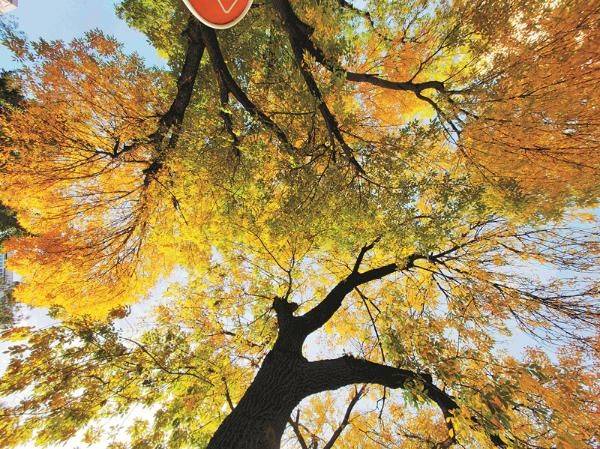
In the autumn, the white wax trees are covered in gold, glamorous under the sun, decorating urban streets and landscapes and becoming a beautiful landscape. To jianjian
Recommended language
The white wax tree is widely distributed and used, and has a long history of cultivation and is known as a white wax tree because of the use of white wax worms in the tree and their production. Our ancients used white wax to light candles, sacrifice and cure diseases ... The modern world finds that white wax can also be applied in many fields, such as the military, industry, medicine, etc. The white wax tree bark is the traditional chinese medicine “qinpi” and its wood is strong and good for high-grade furniture and appliances. The white wax tree is beautiful and leaves are yellow and resistant to atmospheric pollution. It is also an excellent garden greening and protected tree species。
Tree archives
The white wax tree is a wood rhinocerocous tree, formerly known as a tree, known as a tree, or a tree with a white tree. Skin brown, crack. Plumbs, leaves 5-7, paper, eggs, eggs in long circle to pins, 3-10 cm long, 3-4 cm wide, leaves with sawn teeth. Females and males, cones, flowerless crowns, april-may. It is a country of origin, spread widely from the south-central part of the north-eastern part, through the yellow river basin, the yangtze basin, to guangdong and guangxi in the south-eastern part, to fujian in the south-eastern part. The white wax tree is cold and hot and wet and dry and does not require high soil quality。
In my country, we live in small insects, whose secretions produce natural white waxes, which are called white wax worms, and which are called white wax trees. Of all the animal waxes, plant waxes, mineral waxes and synthetic waxes around the world, white wax has the reputation of "the king of wax"。
Wax, white wax, drugs and light
The ancients saw the white wax as a medical treasure and a sacred light. This baseline documents that the river wax is not toxic, that it can be blood-proof, that it can be cured, that it can be healed, that it can be sprained, that it can be administered insecticidally, and that it can be used to treat head scavengers. Past medical practitioners used white wax as a surgical prescription and white wax as a cover for the chinese pill。
In addition to medicine, the wax was used to make candle lighting, an ancient fuel revolution. As ming dynasty lee said, "dang song used to burn candles, wax for medicine, wax for honey." because of the bee wax and vegetable wax used before tang dynasty, soften deformation can only be lighted with grease or a thick cylindrical lamp, while white wax is high and hard, is not deformed, produces growth candles, and is easier to use, preserve and carry. White wax has been used to make candle lighting since don's generation, and has not been replaced until the emergence of modern refined petroleum by-product paraffins. The chinese have been lighting with white wax for more than 1,000 years and have given it a special meaning, with a great deal of affection. The words “spring to the end of the dead and the candles dry with tears” have become a thousand words。
The origin of the platinum wax is attributed to the medicine wang sun si-soo. Sun si-chul lived in the oxen heart of sichuan peaks on two occasions, in 618 and 626, and took the medicine to produce “the queen of teeth”. One day he found fruit on the mountains behind the temple of taisei, with white and transparent beads hanging beneath the fruit, sweet tastes of which he thought it might be of medicinal value. Every few days, he went to see the fruit, and when it matured, the branches were covered with little insects, and it was empirically judged that there were females and males who could breed. Soon after, he discovered that the branch had a cog (later called wax) and that the day was thick, that he had taken it and had no poison, and that it would be useful to extract it. By the fall harvest, he found that the original bug had been turned into a moth and had left many eye holes on the palae. Then he went up the mountain every year to observe, and when the years were past, he judged that the insects were the cause of the white molds on the trees, which was of great interest to him. After experimenting, he found that the silts could be used as a cure for knife wounds, and that they had the effect of scalable muscles. He then mobilized local farmers to collect the silts from the trees in time to make them. After several years of effort, he turned wild bugs into artificial breeding, then planted them in trees to produce white molds, which were boiled to white wax, which was the origin of the algae wax. The algae wax opens our ancient history of artificial production of white wax。
Tang dynasty buddhistism prevails, and mount zeirai, a famous buddhist mountain, has a strong fragrance and has come to worship buddha with candles for use. It also opens the history of the export of white wax。
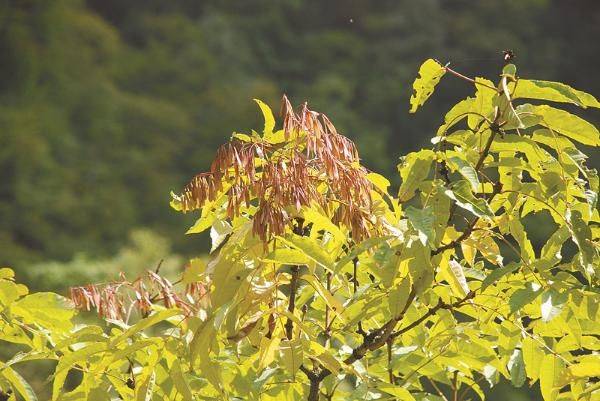
The white wax tree sequence
A thousand years of wax
Since tang, the south-west region of the country has begun to grow large numbers of white wax trees, where white wax worms have been planted to produce white wax. By the song yuan era, they have flourished and gradually spread to such areas as the lake and the river。
In production practice, it has been found that females and males live in different ways, with females breeding only their offspring, with little and large amounts of wax powder distributed among males. Female chastity trees are often green and are the most suitable host trees for females to lay eggs in winter and early spring, white wax trees to fall on leaves in winter and flourish in the summer, providing abundant juice for male insects, and the most suitable host tree for male parasite wax. Insect-producing wax at the same location is bound to be the pattern of the "consumer infestation of the wax, the insect infestation of the wax, the infestation of the insects, and the division of the wax production。
Song won-song's well-known "inquiries" recorded the development of the white wax industry: "the old land of jiang zhe has been wax-free, and for more than 10 years, a man has brought white wax worms for sale as small, at a price higher. It is made of a horde of trees, and leaves, and leaves, and leaves, and leaves, and water, and they live, and they become trees three years old. In the morning of may, hundreds of worms were found in one of the small crumbs made of yellow weeds, which were placed in the trees, and in may, white wax. The price of white wax was several times higher than that of yellow wax (i. E. Bee wax) on the side of the porridge. At that time, the wax farmers, based on the dynamic and burgeoning properties of the white wax branches, cut their branches from the big white wax tree in the early spring and sprung them into the soil, then cut them to the top of their side branches in the third spring, and in the fourth year, released the white wax worms, quickly and in large quantities bred the shrubbery trees suitable for the planting of waxes。
By ming dynasty, the white wax industry had developed to the heights of history, with wax trees in the white wax-producing areas everywhere shaded, and in august-september, wild-mounted wax trees were covered with white waxes that looked like winter snow. According to historical records, only sichuan lokshan i county has “black wax in its age”。
White wax is a major source of wealth in sichuan history, and not only does the business of white waxers yield substantial returns, but trade in in insect species and white wax also leads to regional economic prosperity. Because of the different lifestyles of male and female waxes and the different living environments, the cold mountains and the river basins are the most suitable areas for female and male waxes, respectively. Historically, sichuan people have chosen their profession in accordance with this situation, resulting in territorial division of labour of the river wax, and the emergence of trade fairs that have a wide impact, such as the “pittle” waxes. All walks of life flourished during the bugs. Each year, the thousands of pick-ups of daily department goods are picked up in insect areas, and another 670,000 wax pickers are transported to wax areas, forming a thousands of miles of transport and a system to service them. In xichang county, the 1,000-mile road is described as follows: “it is when the worms are proud that they travel through the rocks.” because of the fact that it is only 10 days before the incubation of the tree, the transportation capacity is sufficient, and many small towns have emerged as a result of the boom in hotels, restaurants and small stalls along the way. The wax society is a popular market during the fall-covering season in chongqing, town, shaanxi, hubei sa and even further away, buying white wax in wax areas and selling domestic and foreign goods. Ming dynasty has a poetic cloud in building the south ridge: “the village of wormwood has a city and the wax blooms in the temples”
In modern times, although the lighting use of white wax has been replaced and the overall size of the business is not as high as the peak in history, white wax is the world's rarest production, consisting mainly of insect wax acid and insect wax resin, with high and stable melting points, which are incomparable with mineral wax and bee wax, the aesthetics of the “king in wax” and have characteristics such as lightweight, lightness, rigidity, high accuracy in form, water protection, etc., which are good materials for casting models, damp control agents, rustics, lubricants, polishing agents, etc., and are important raw materials and ingredients in the fields of medicine, military engineering, light work, chemicals, especially in the military, space and scientific sectors. The white wax industry has continued to develop since ancient times. There is a resurgence in the white wax industry today, with the restoration of the white wax industry as one of the projects for rural renewal in traditional production areas. The white wax tree continues to function as a vermin。
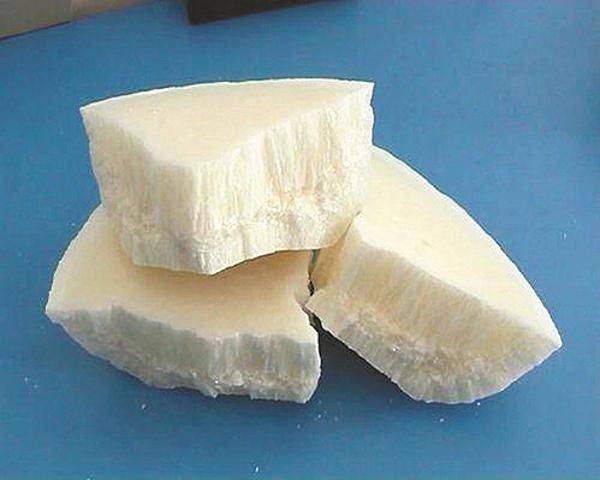
White wax
The bark is the medicine
The bark of the white wax tree is a good medicine from ancient times to the present. The chinese medicine is called qinpi. The qin skin tastes bitter, bitter and cold, and has the effect of containing the qin and the heat and humidity. When did you find the white wax bark? Why qin pi
The tragic images of the dead spread throughout the country and the pestilence that bred them from rotting corpses are being seen everywhere. On one occasion, the plague in zhangzhou, born of the medical family, also took part in the treatment of the disease, but countless people were infected and killed because of lack of medicine and medicine. Having witnessed the tragedy, zhang sang-sang embarked on a path dedicated to fighting typhoid disease and, owing to the lack of medicines, he had targeted trees such as maple, sugi and sugi trees, which were common in jaizhou. After repeated trials, it was discovered that the pelican tree tastes bitter, bitter, sexual, liver, guts, intestinal, and has the effect of condensing and cooling and damp, and he said, “isn't this a good cure for dysentery?” he then asked the villagers to help with the skinning of the trees, which was used to treat patients suffering from dysentery during the disease with a large quantity of tablets, and received good treatment. Zhang sang-zhang is known for his long-term medical practice as the typhoid disease theory. As the pronunciation of qinpi is similar to the pronunciation of qinpi, the pronunciation of qinpi is still being misread。
According to the chinese great dictionary of clinical medicines, the main components of qin pit are fragrances, which are resistant to bacteria, inflammation, pain, liver and tumors. The famous "white head soup" in the typhoid theory, consisting of qinpi, yellow company, yellow platt, is commonly used in clinical practice to treat wet fever and dysentery and wet tropics. “the qin pie” consists of qin pi, qin zi, qin zi, and qin qi, which treats the cormorant and osmosis of the liver and wind heat. The chinese medicine, diarrhea ninol, and the qin skin bone capsule, and the qin oil floss, contain qin skin。
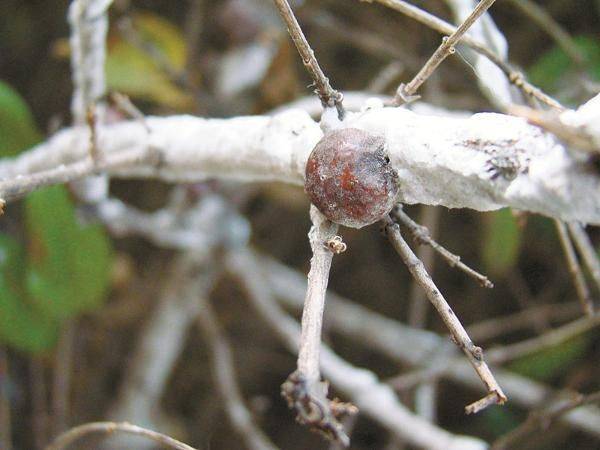
The white wax worm is parasited in a white wax tree, the female breeds the offspring, and the male is gentile。
Water-resistant and drought-resistant
White wax tree trees are dry, tree-shaped, leafy, atmospheric beauty. The leaves are green in the summer, the orange in the autumn, not less than the gold in the silver almond tree. Its resistance to toxic gases, such as sulphur dioxide and chlorine gas, is important in the country, as is the tree of the fall leaf, and many cities are growing large numbers of white wax trees, such as the one on the east street of ishikoshi, which is used as a street tree. In late autumn, the white wax tree is filled with yellow leaves, turning the road into golden yellow avenue and becoming the city's beautiful landscape. There are currently several cities in the country with white wax trees。
The white wax tree grows fast, in large biomass, with well-developed roots, deep roots, timid, wet and dry, and can grow in light salinity. In the current national standard on technical procedures for the construction of ecological public interest forests, white wax trees are listed as the main wood for soil and water conservation, water conservation, farm protection, rangeland protection, road protection, environmental protection, landscape forest and seven types of public interest forest, which are used extensively for the construction of public goods. In 2021, the city of the crane wall in henan province was hit by an extraordinary storm and an instant wind disaster, where a corridor was greened more than 2 metres deep, before retreating a month later, with only four trees, namely, the central hillwood, the white wax tree, the willow tree and the faull, and the rest of the joe bush dead. White wax trees are seen to be wind resistant and water resistant, and are excellent protected forest species. (growling)