


As global environmental issues and ecological awareness grow, greenhouse buildings, as an important component of botanical gardens, are gradually attracting widespread attention from a wide range of scholars and designers. In the nineteenth century, greenhouses served as important horticultural facilities, not only for the display of rare plants but also as laboratories for scientific exploration and technological innovation. By effectively controlling the internal environment, they provide optimal conditions for plant growth and become an integral part of modern horticultural development. The purpose of this paper is to explore how to shape the age-specific chinese greenhouse paradigm in the context of the present era, drawing on historical experience。
Historical and cultural significance of greenhouses
Plant greenhouses can be traced back to the urgent needs of the genchi plant in the nineteenth century. With the expansion of the british empire, plants from the tropics and subtropical regions have been introduced into the united kingdom, and horticulturalists have been able to breed and breed these plants under abnormal weather conditions through greenhouse technology. The greenhouses were designed not only for beauty, but also to combine the latest science and technology at the time and become a laboratory for man-made climates. Through unique building forms, the greenhouses can effectively control temperature, humidity and simulate the environmental conditions required to grow plants。
In addition, greenhouses occupied an important place in the socio-cultural context of the time. On various social occasions, discussions around greenhouses have become a hot topic for middle-class and upper-class social gatherings, and greenhouses have not only increased the value of homes, but have become a symbol of power and identity. Whether it is the nobility estate in england or the public botanical garden in london, the greenhouse is an important socio-cultural vehicle。
Ii. Status of greenhouse construction at the chinese botanical garden
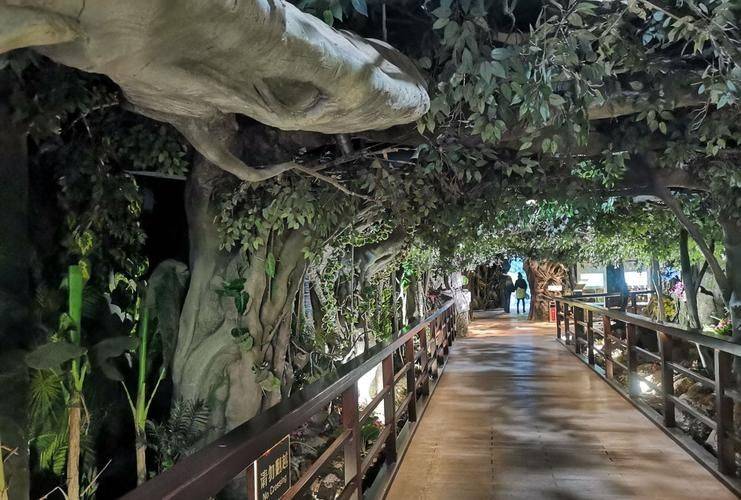
At present, while chinese botanical gardening is inspired by greenhouse models, its design tends to focus on the appearance of buildings, pursuing modern curve patterns and visual shocks, the exploration of functional and scientific exchanges is relatively weak. This has made the actual use of some greenhouses less effective and many have not been able to effectively perform their proper scientific research and educational extension functions. It was therefore particularly important to explore new ways of building greenhouses that were appropriate to china's circumstances。
Iii. Shaping an era-specific “china greenhouse”
Against the backdrop of scientific needs, cultural self-awareness and ecological responsibility, the construction of greenhouses in chinese botanical gardens needs to be based on the following aspects to shape an age-specific “china greenhouse” paradigm:
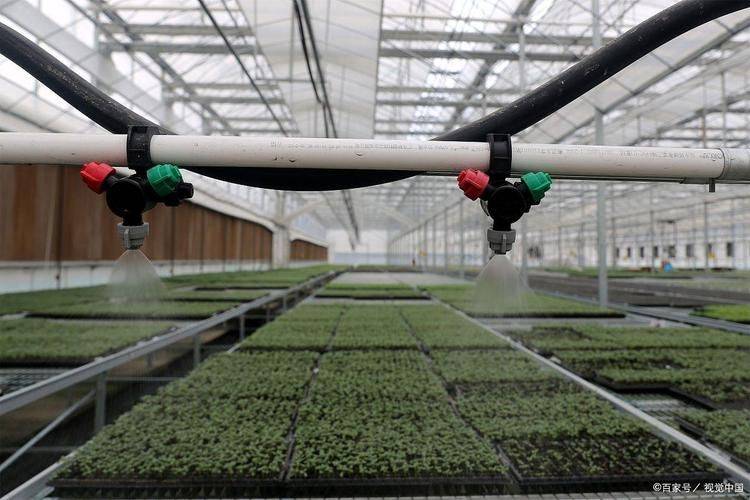
Functional optimization priority: the greenhouse should be more functional than its form design. In the construction of greenhouses, in-depth analyses of plant growth needs are carried out, and temperature control, light and humidity reconciliation systems are well planned to ensure that the greenhouses can effectively meet the growth environments of different plants. The design concept, which closely integrates science and practice, will give greenhouses more educational and scientific functions。
Indigenous cultural innovation: while learning from foreign best practices, chinese botanical gardening should be designed to fully incorporate indigenous cultural elements. The greenhouses are designed to incorporate china's traditional horticultural philosophy and local horticultural cultural identity, to design greenhouses that are both modern and culturally deep, and to avoid simple mimics and flaunting。
Eco-sustainability: china's greenhouse design should focus on ecology and sustainable development in the face of global climate change and ecological crises. To achieve a virtuous cycle of the environment through the introduction of environmentally friendly materials and passive energy-saving technologies, the low-carbon design of greenhouses and optimal functional performance with minimal resource consumption。
Interdisciplinary communication platforms: the greenhouses should not only be spaces for plant growth, but should also be vehicles for the dissemination of plant scientific knowledge. The dissemination of scientific knowledge and the participation of the public are facilitated through seminars, lectures and practical field activities. To attract more young people and public interest in science horticulture based on a balance between scientific research and education。
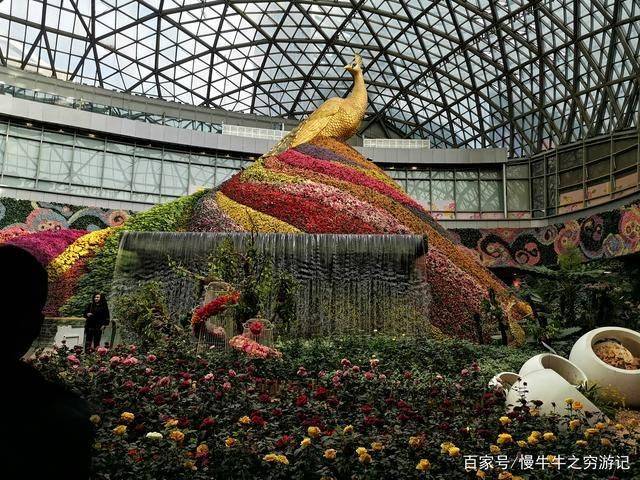
Focus on healing and health: as modern people pursue healthy lifestyles, greenhouses that build artificial climates should be integrated into medicine and health concepts while addressing environmental problems in urban life. Integration of healthy social elements into future greenhouses through indoor plant cultivation and air purification。
Concluding remarks
Against the backdrop of growing global ecological problems, china's greenhouse, as an important future direction for botanical gardens, should build on scientific research, explore indigenous cultures and practice ecological responsibility. The greenhouse is not only a vehicle of technology and science, but also an interface between culture and ecology. As a combination of inheritance and innovation, china's greenhouses should display its own unique era, grasping its historical pulse and meeting future challenges. The creation of such an age-appropriate greenhouse design concept, in line with china's national circumstances, will provide strong support for the improvement of the ecological environment and the promotion of sustainable social development。



