


Part i. Legal and legal knowledge
The law is the sum of the various norms of conduct formulated or endorsed by the state. Broadly speaking, laws include the constitution, laws, administrative regulations, sectoral regulations, local and local regulations, self-government regulations and individual regulations for autonomous ethnic areas, special territorial statutes and international treaties to which the country is a party. Each of us lives in these norms. The law creates a variety of legal relationships when it regulates our social relations. Legal relations consist of three parts: subject, object and content. We are all subjects of legal relations; the rights and obligations that we create with other social subjects are the content of legal relations; and the objects of rights and obligations, such as objects, acts, etc., are the objects of legal relations。
I. Constitution
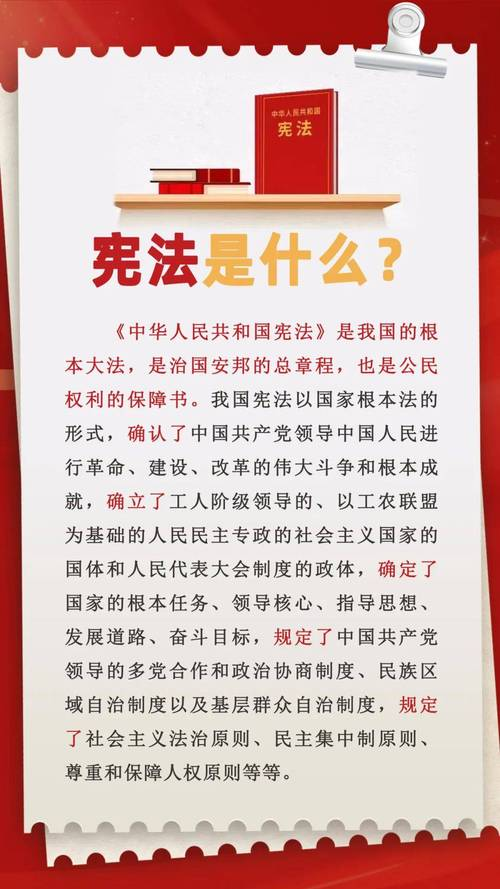
The constitution, which is the fundamental law of the state, lays down the fundamental tasks of the basic institutions of the state, establishes the basic principles of the organization and activities of state organs and guarantees the basic rights and duties of citizens。
(i) constitutional provisions on fundamental rights of citizens
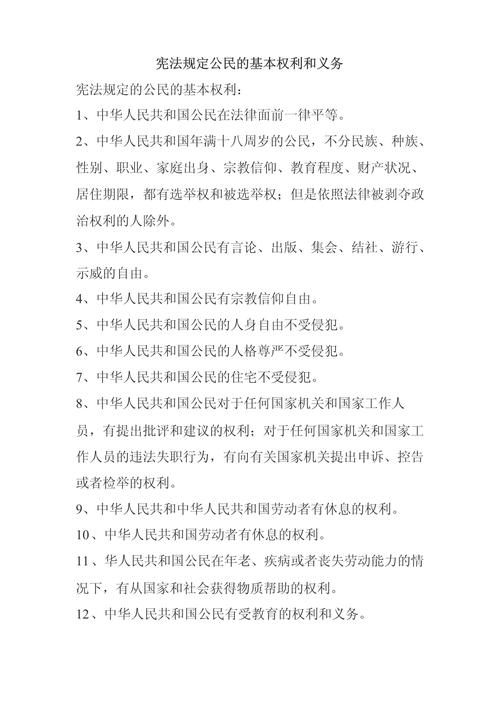
Under our constitution, every citizen over the age of 18 has the following fundamental rights:
1. Right to equality. Citizens of the people's republic of china are equal before the law。
Political rights. These include: (1) the right to vote and to be elected. (2) freedom of speech, publication, assembly, association, procession and demonstration。
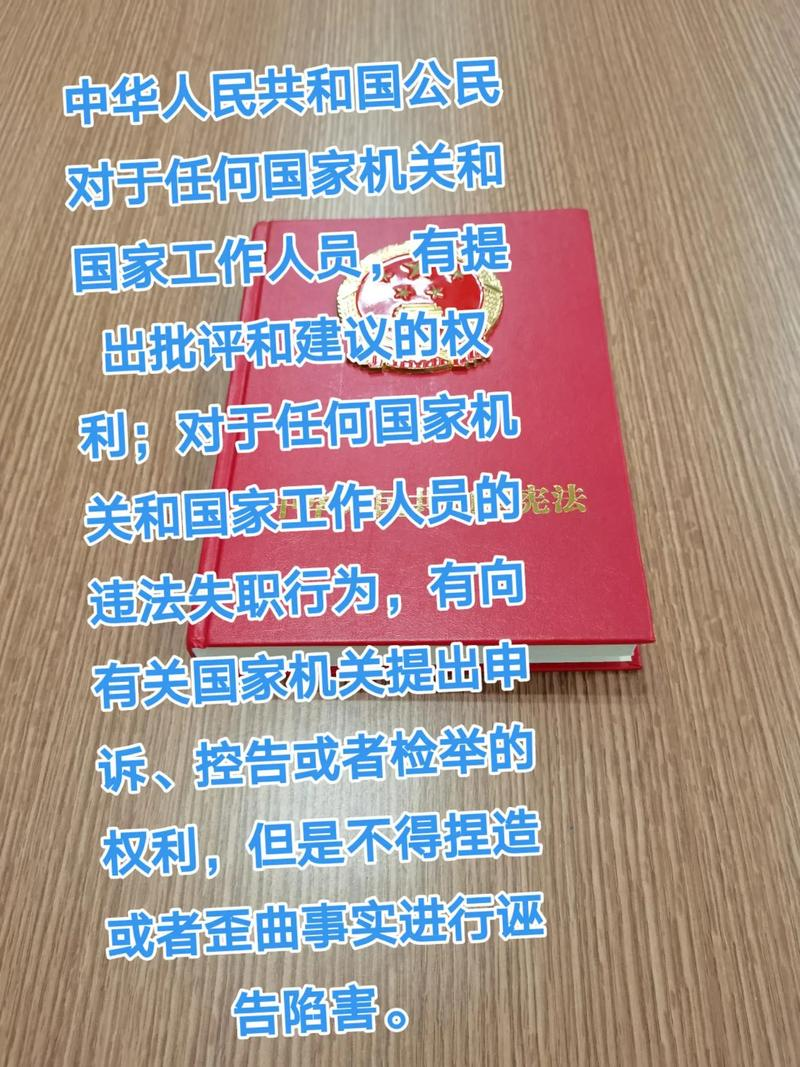
3. Right to supervision and reparation。
4. Right to freedom of religion or belief。
5. Right to liberty and security of person。
6. Socio-economic rights。
7. Right to education and freedom of cultural activity。
Right to protection of women, children, marriage, family。
9. Right to protection of the legitimate and legal rights of chinese nationals, returnees and dependants。
(ii) constitutional provisions on basic civic obligations
The basic obligations of the citizens of the people's republic of china are set out in our constitution as follows:
The duty to preserve national unity, such as national unity. As a citizen, the unity of the state and the unity of peoples must first and foremost be preserved。
2. The obligation to observe the constitution and laws, preserve state secrecy, respect public property, observe labour discipline, observe public order and respect public morals。
The duty to preserve the security, honour and interests of the homeland. There shall be no acts against the security, honour and interests of the homeland。
4. The duty to defend the homeland, to perform military service and to participate in militias in accordance with the law。
5. Obligations arising under the law. Taxes are an important source of national income, and they are important for increasing state revenues, guaranteeing the need for state funds to build the economy and improving the living standards of the population。



