


Mommy's okay.
Director of the american association of preschool education, focusing on brain development for children aged 2-8, young connections, discipline education, etc

Source: mommy ok (id:mami-ok)
Introduction: original childcare no., expert-directed by the american association of early childhood education. Attention is given to brain science and early development for children aged 2-8 years, providing childcare, primary education and psychological care as the most relevant points of reference。
Recently, ok dad started planting fruit trees on the balcony, a tomato tree and a mango tree. But it was hard to start with, and it took two days to move a bowl to the tomato tree, and all the tomatoes that had been attached to the branch fell off。
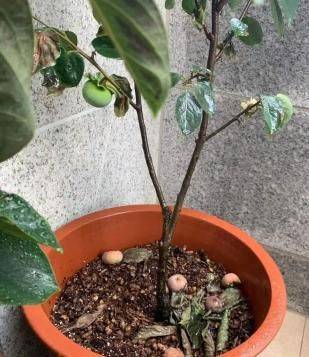
But dad's so excited that i'll water and watch with the sun every day, i'm counting on him to get out of school as soon as possible, and when my balcony is green, maybe i can eat my own fruit and vegetables。
Brain patch
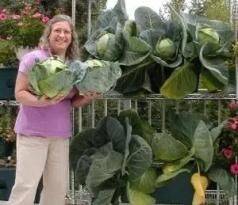
In fact, we were left behind in the early years to see what we were growing on the balcony, but in the wake of the epidemic, there was a new awareness of the “family reserve” and a rush to grow vegetables, including from our own balcony。
And when we really started to look at it, it was also surprising to find that using our homes to grow simple plants actually added a lot of fun to life。
I looked around the resource platform earlier and i was impressed by a blogger named thuy. At first, her balcony was like the one we used to have, with only 8m2, growing a few semi-dead plants, and the soil in the flower basin was already white。
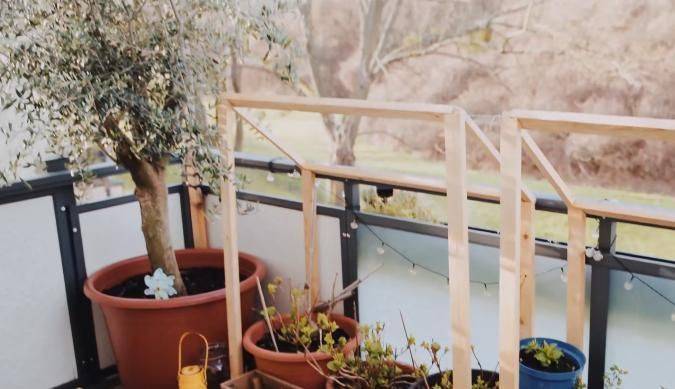
But it was only six months, and she made the balcony alive。
A small balcony becomes a vegetable garden。
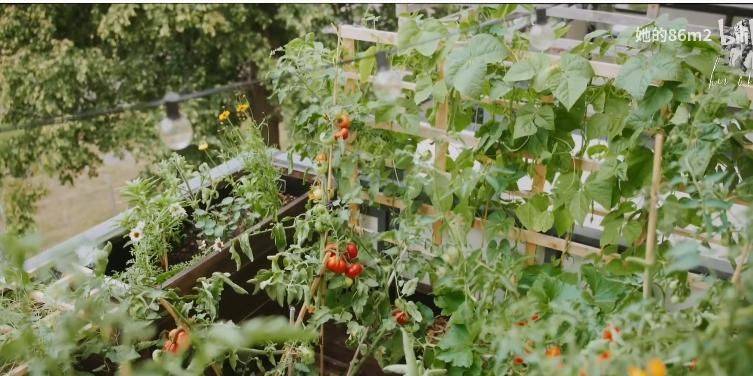
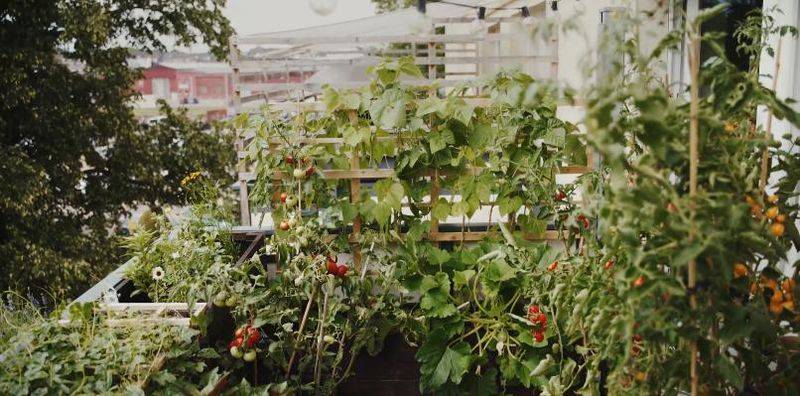
A different variety of tomatoes sets up the balcony in colour to make the garden feel good。
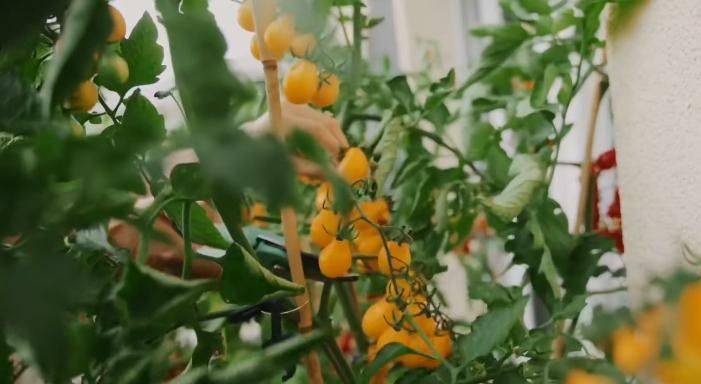
Potatoes and carrots are buried in the soil, and they're rich... And they don't look like vitamins are missing for ten and a half days at home

Thuy's sharing is very detailed, from how to plan, to make fertilizer, to grow, and there's a big point of reference for getting new hands on, so i've sorted out the key points in the process of developing and growing the balcony。
It doesn't matter if we don't have much time, but there's a fast-growing law in the last part of the article
01
Get ready

Before growing, prepare to work, because for the next few months or even years, there will be a small garden。
The preparatory work included the following:
1. Understanding the weight of the balcony
Because of the large amount of soil and flower pots required to grow the vegetables, both are heavy, and a small dozen is certainly fine。
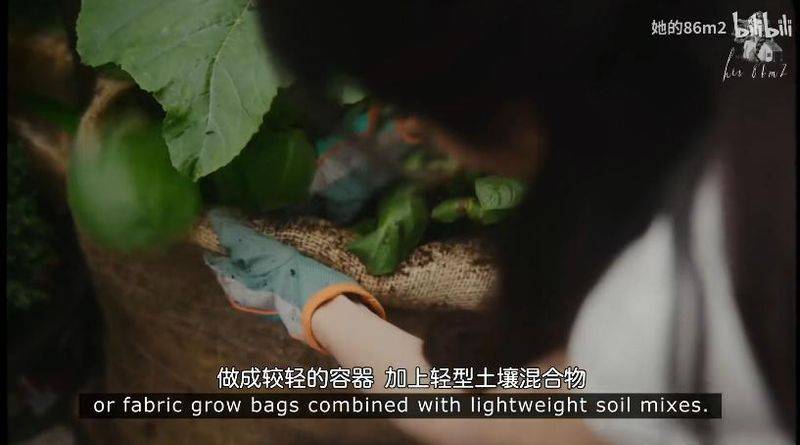
But if the more ambitious the balcony is, the less heavy, then the plastics or knitting bags will have to be considered for packaging, with light soil and hydroponics。
Once we're clear, we can start work
Planning and flower basin selection
The planting requirements are not high for the flower basin, but it is necessary to measure the length and width of the balcony before it is ready, and then to select the size of the garden according to the actual size of the balcony。
The food is grown in three basins:
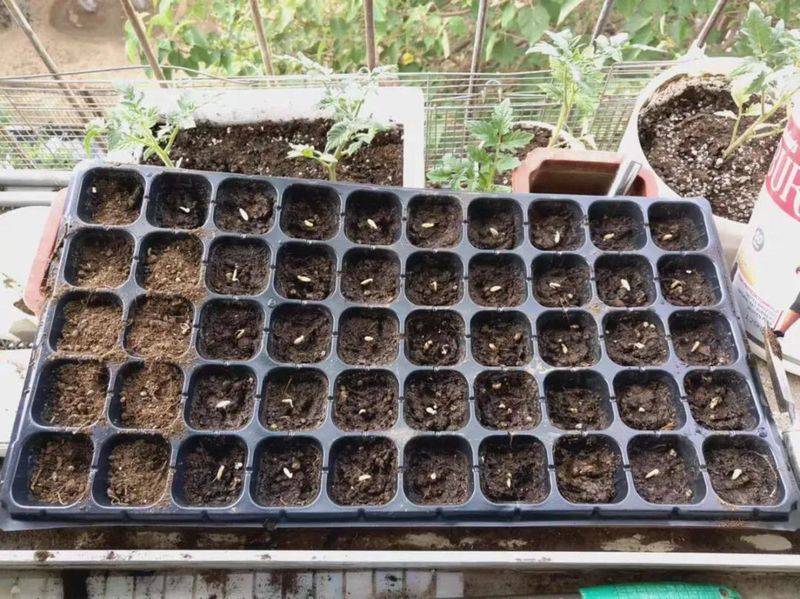
1. Planting for seedlings (which can be replaced by egg-laying)
Source network
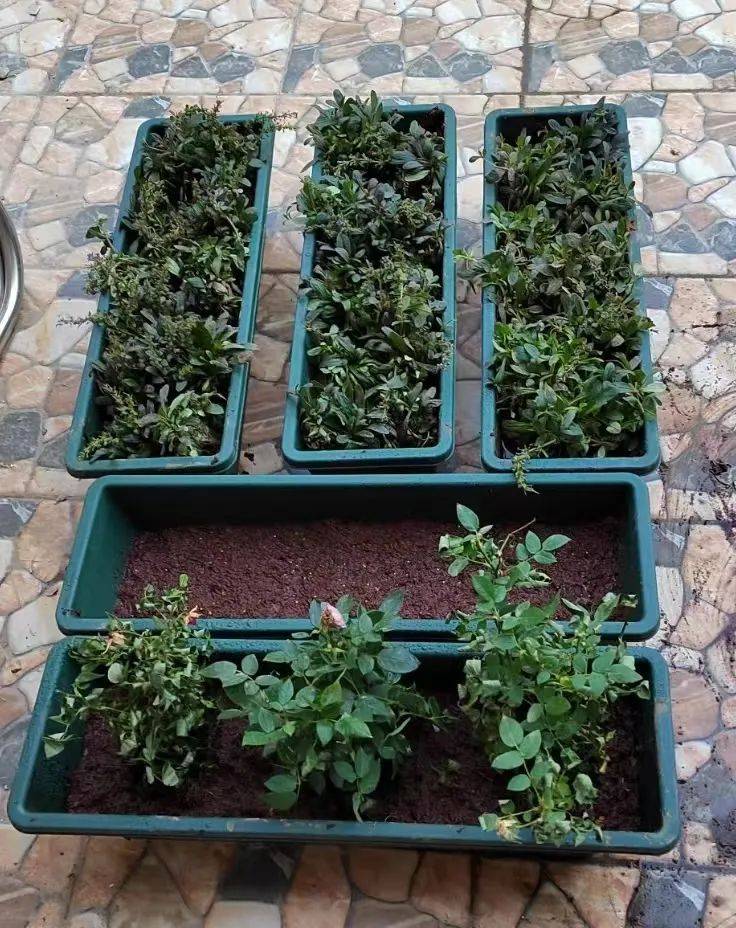
2. Shape rules, rectangular dishbox for easy placement
Source network
There is also a step-by-step — a three-tiered multi-layered dishbox that can improve space utilization
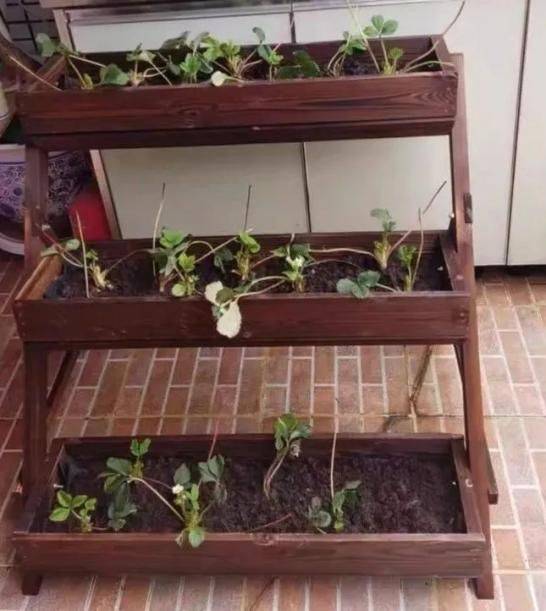
Source network
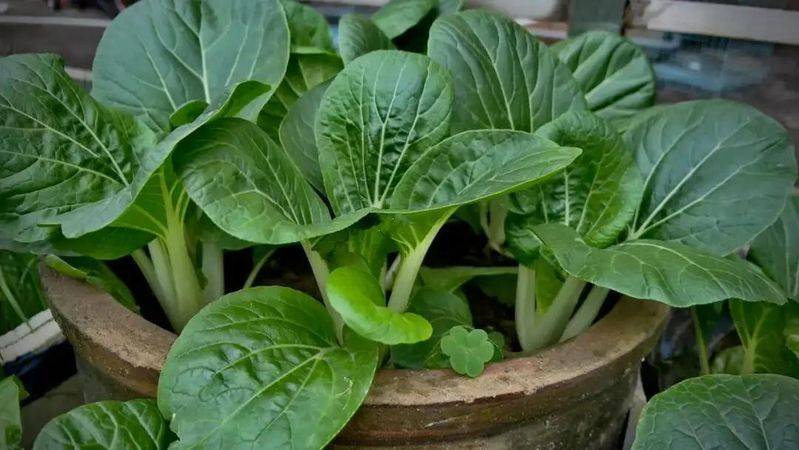
They can also be used if there are idle flower basins in the home, which can also be grown。
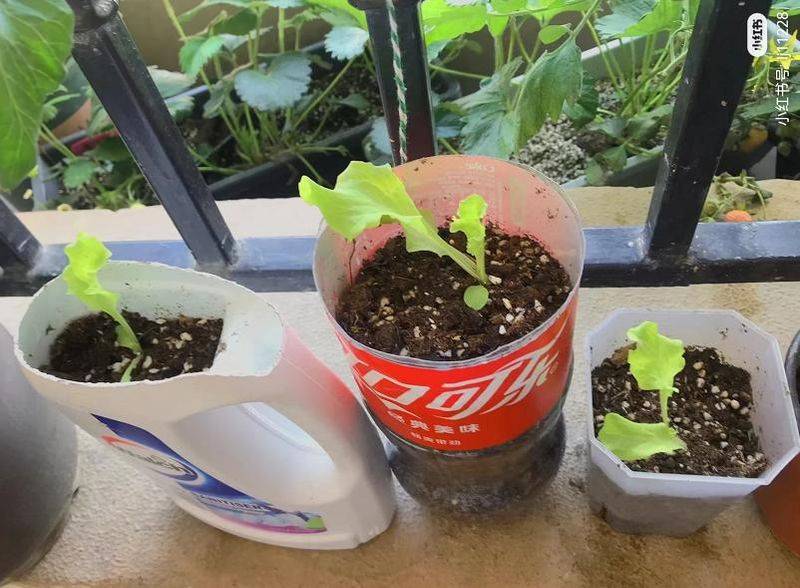
Of course, it's just a first exercise, without taking into account beauty, and it's possible to use out-of-pocket boxes and abandoned mineral bottles。
In addition to the size, keep an eye on the depth of the trunk. The deeper, the stronger the vines or the thicker vegetables, the deeper the roots。
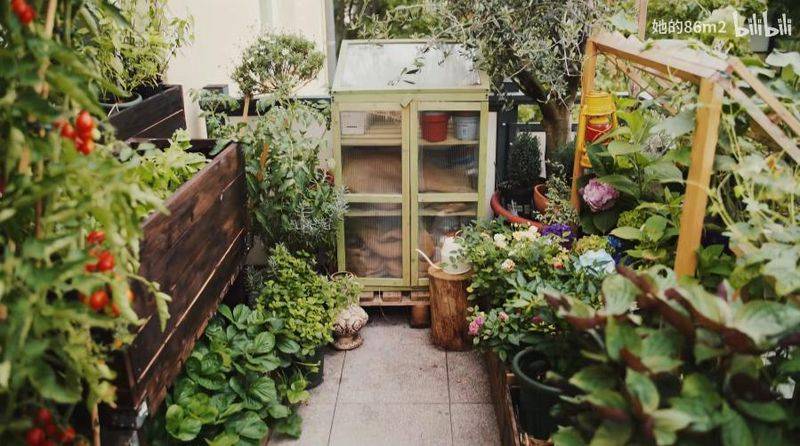
Tuy's multi-storey kitchen
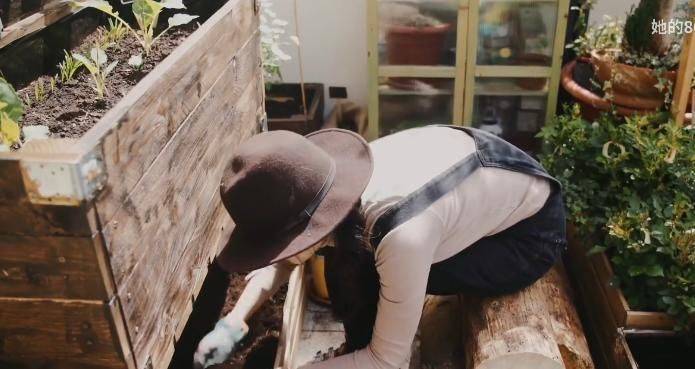
As long as there was some planning, the balcony would be as beautiful as the thuy family。
Soils and fertilizers
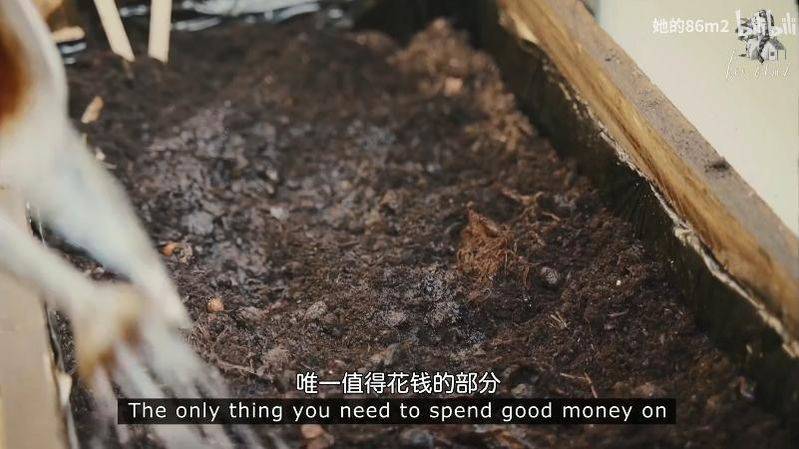
An important condition for planting is soil. The flower basin, as a container, can find free “replacement”, but on the soil it is worth some money。
The recommended use is specific nutrient soil, which, in addition to being fully nourished, carries fewer bacteria than the earth dug in the park, so that vegetables are less ill。
And it's fertilizer outside the soil。
Fertilizers are also crucial, with phosphorus and potassium fattening tomatoes and cucumbers to produce better fruit; nitrogen fattening leaves for green leaves; but potatoes and carrots are not suitable for nitrogen fattening, because they are only leaves, not roots...
Thuy recommended a more popular bokashi composting method abroad, which you can try if you have enough time。
Pocassi composting:
There are two materials to be prepared: bokashi fermented drums (around $50 online) and em fermented powder (around $10)。
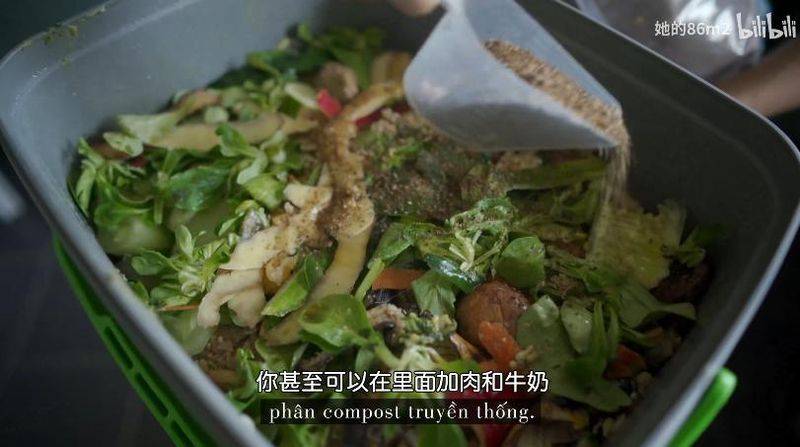
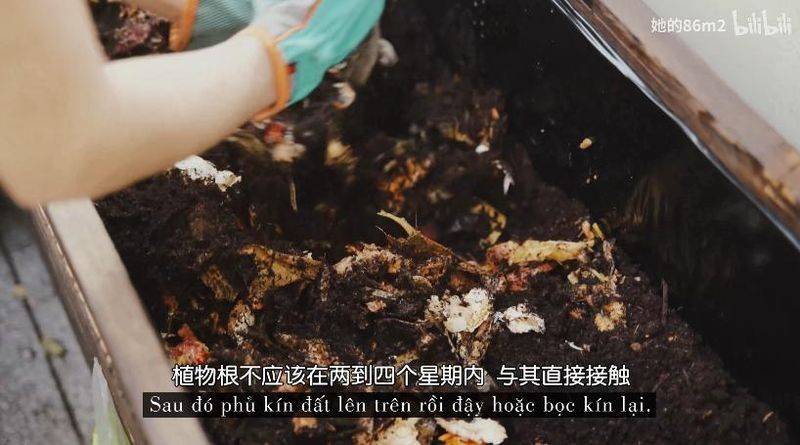
The method of production is not difficult, and the rest of the waste, such as carrot root, potato skin, rice that can't be eaten, is placed in a fermented drum, which is fermented every 10 centimetres and crushed, and is stored in seal at the end of the seventy-eight minutes。
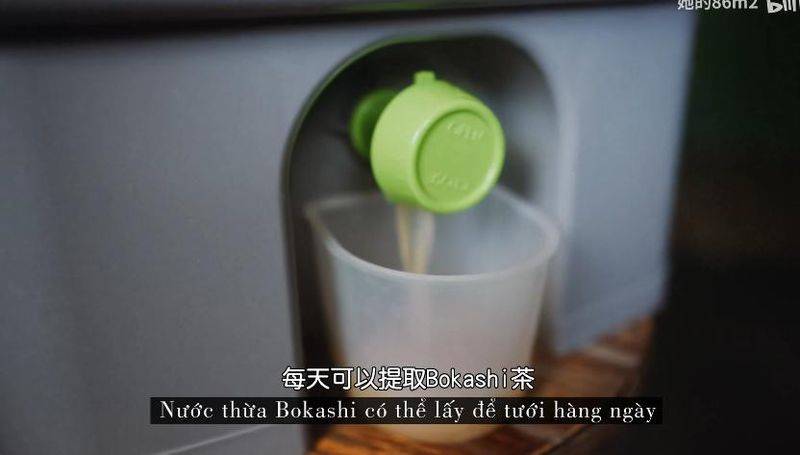
A week later, the fertilizer needs to be watered every other day (there is a tap at the bottom of the fermentation drum, which also has plant-friendly nutrients that can be used for irrigation)。
In two weeks, bokashi fertilizer can be poured into the soil. They say if it's properly sealed, it doesn't taste so good
However, the residual waste was not completely decomposed at that time, and it would take another two weeks or so to have direct contact with the plant roots。
During the waiting period, seeds can be prepared in advance to germinate。
02
Everything is ready. We're about to start planting。
Seeding and seedling
Buy good seeds first. For the first time, vegetable seeds, such as tomatoes, lettuce, sorghum, cucumbers and radish, are preferred。
In addition, peppers and tomatoes are very good options, which not only make it normal, but also make the balcony a few months later colorful and sensitive。
Seeds were planted in small boxes before they sprung, which, on the one hand, could be more dense and, on the other hand, they could be placed in houses to avoid the wind blowing out。
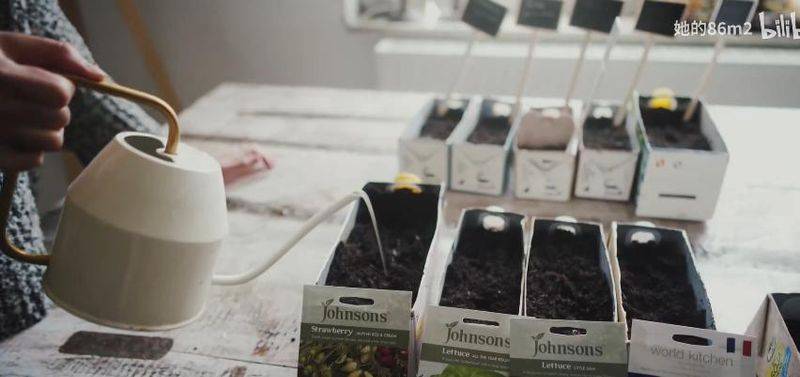
When you grow up, you move them to the balcony。

Shrimp periods need careful care to avoid wind and temperatures。
In two weeks, the seedling will be strong enough to plant it in the kitchen。
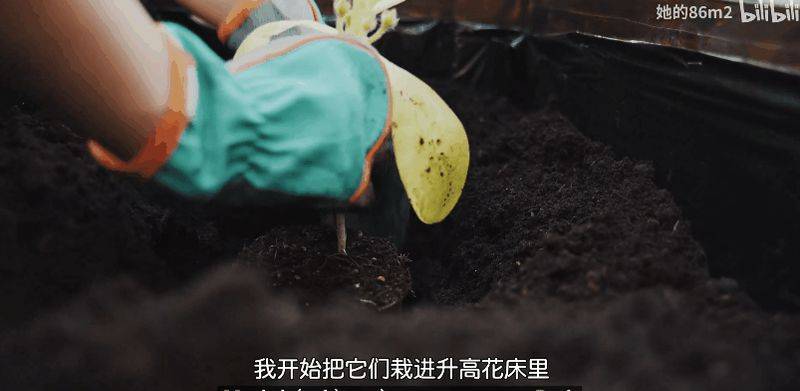
Like little tomatoes, cucumbers and vegetables with vines, you need to put a little stick next to them so they can climb and grow。
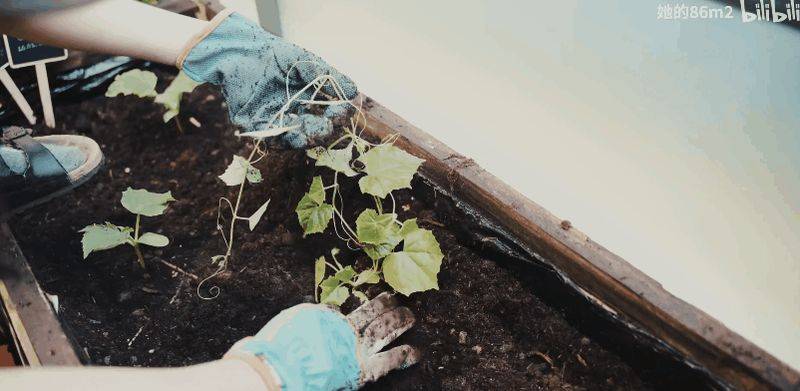
And when they're big enough, and the sticks aren't enough, give them a bigger stretcher
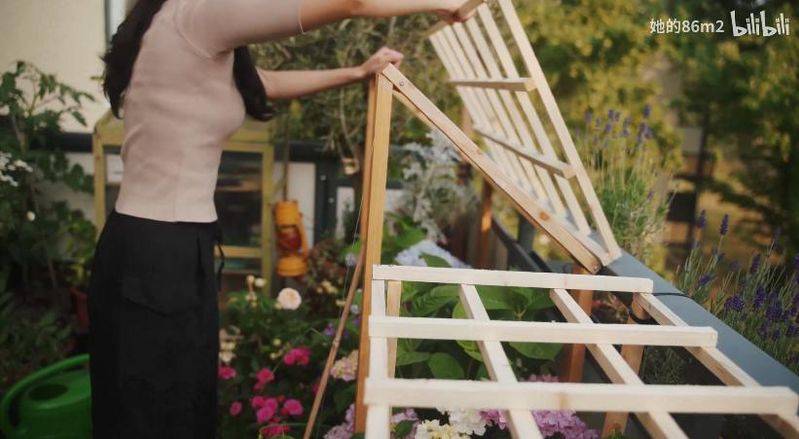
It won't be long before the mat is full of vines and looks like a very nice view。
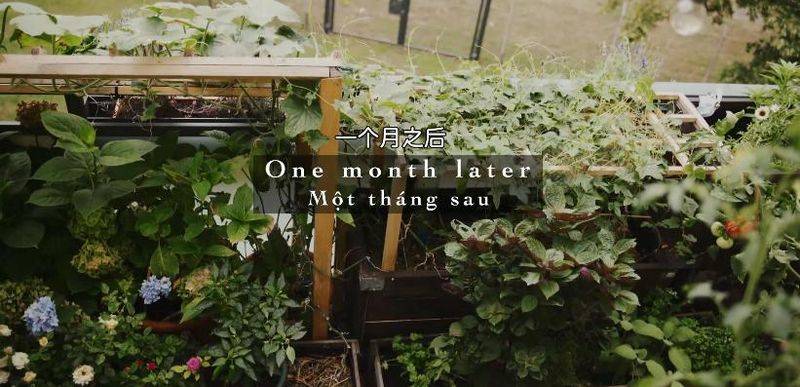
2. Vegetables may be ploughed:
Because waiting for growth is a long process, with vegetables such as tomatoes and cucumbers, which require flowering results, which take at least three months to harvest, and in which no outcome can always be seen to affect pleasure, planting vegetables with different growth cycles, such as lettuce and green leaves, is usually taken in a month or so, and growing fruit-based vegetables takes place using space and feels happy to harvest in a short period of time。
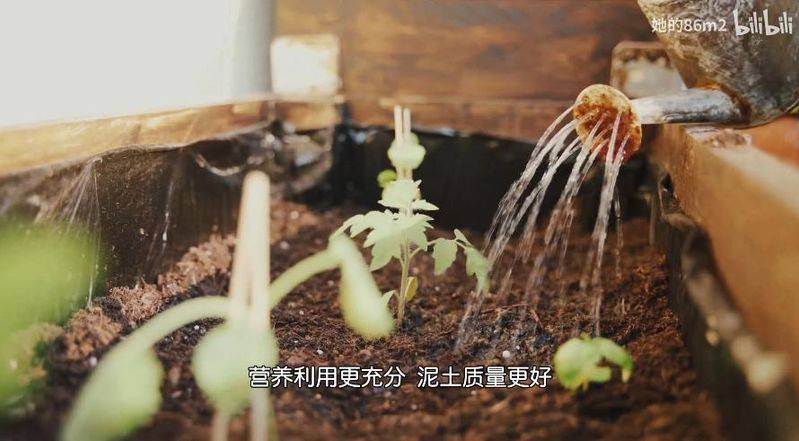
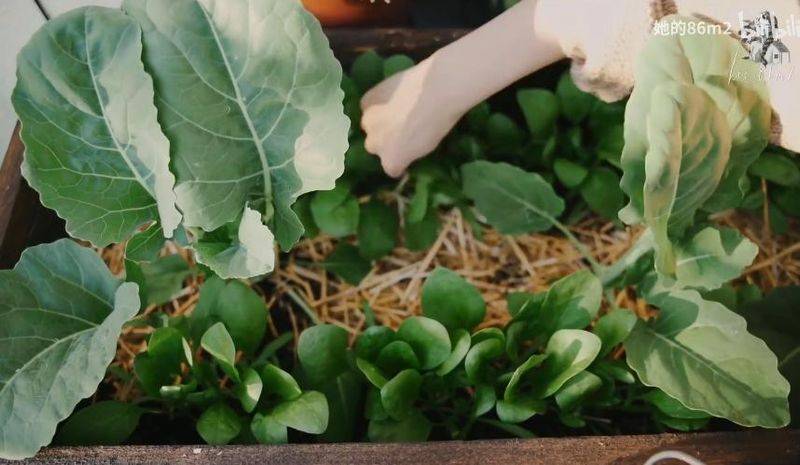
In the cold places, peas, cabbage, daisies, radish, potatoes, etc., are not so much needed for sunlight as they can increase production。
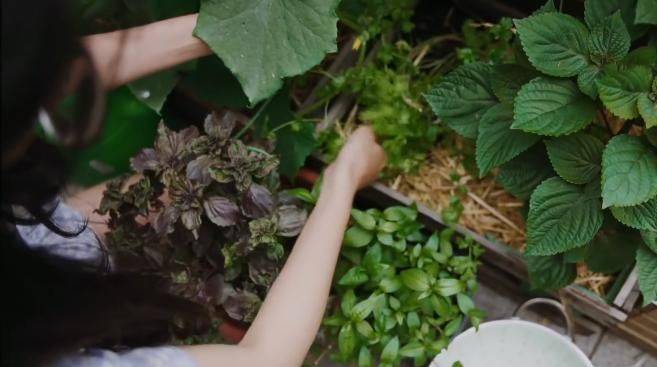
In addition to this, we can plant a little daisies, embroidery flowers, and so on。
There are additional benefits to different plant species together — cutting off disease and pest transmission。
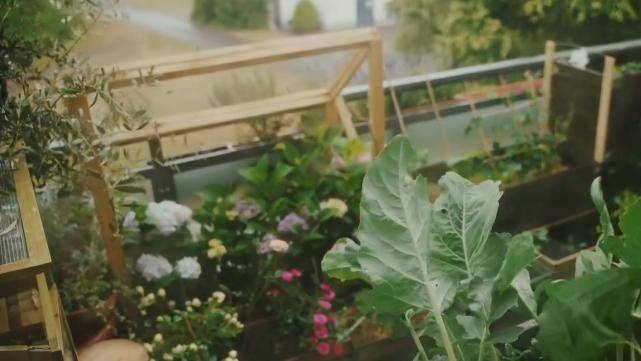
3. Daily care:
The growth of seedlings is still fragile over the long term and, if the floor is higher, the vegetables are likely to be blown away by the wind before they grow up。
Thuy used glass panels to block the wind and planted wind-resistant plants that allowed the grapes to climb into the vine and form a “windwall” that was beautiful and practical。
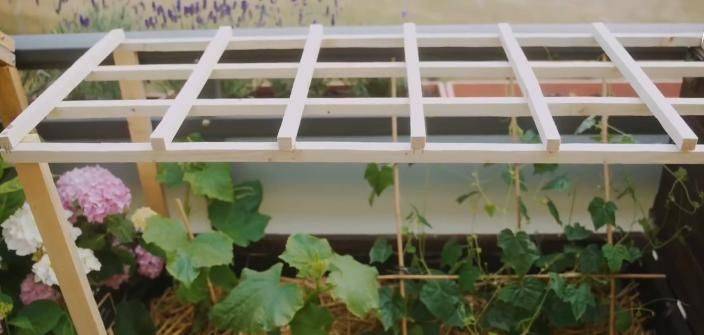
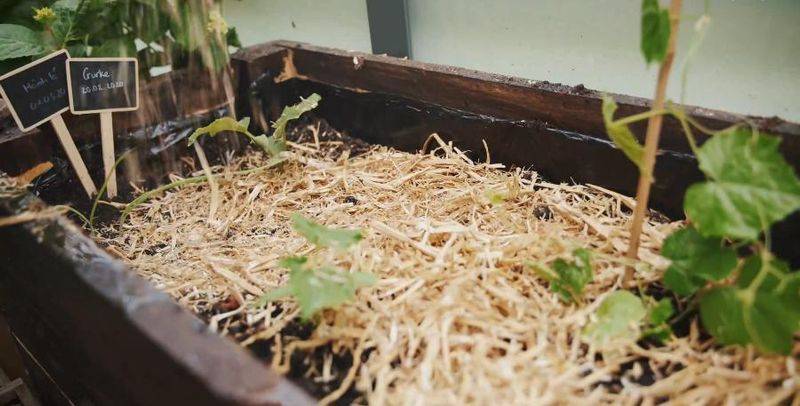
There are also small techniques for maintaining moisture in the soil, with a barley on the surface, thus avoiding frequent watering。
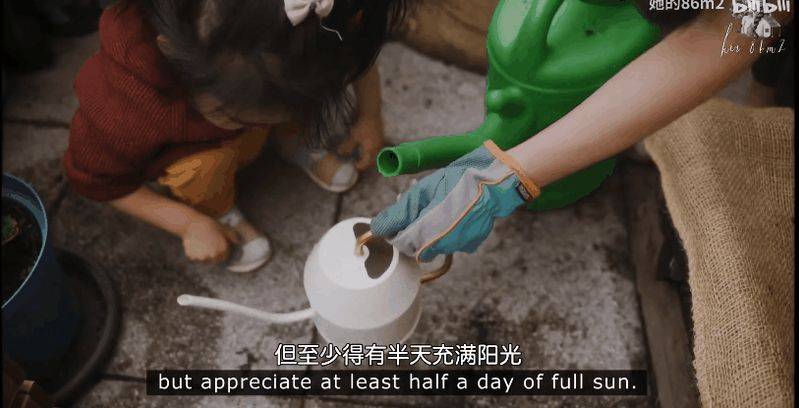
If you need water, you can give it to the kids, so she can grow interest in nature
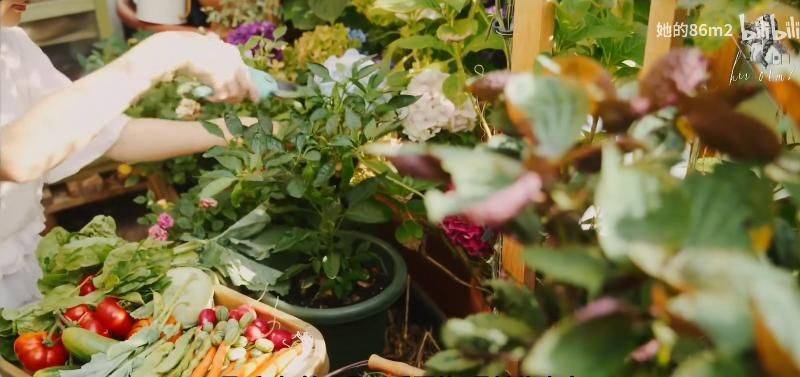
After the precipice, some of the vegetables produce very beautiful flowers, and in addition to appreciating one thing, don't forget: some vegetables, such as cucumbers and tomatoes, require pollination to produce results。
It's not so hard to pollinate, like tomatoes, to shake a plant, but the safest way is to take off the lumbers and scratch the female。

Then we can wait for the harvest
4. After harvesting, remember to restore the soil to its original condition:
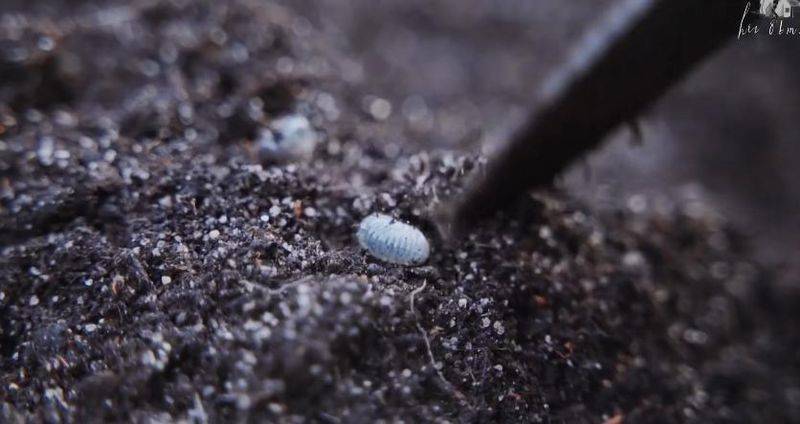
Insect eggs or other diseases may already be present in the soil, which is then turned over to find the pest and, if necessary, to put it in the sun。
Vegetables from the same family should preferably not be associated so that nutrients in the soil are not excessively lost and pests and diseases are prevented。
Thuy has also sorted vegetables from the same family

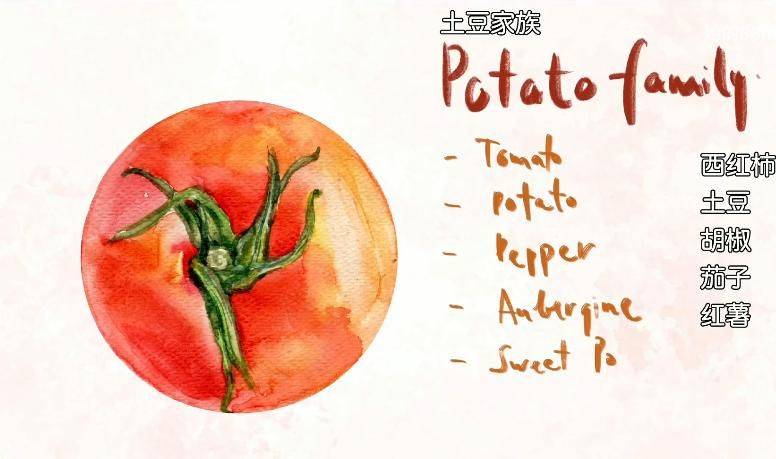
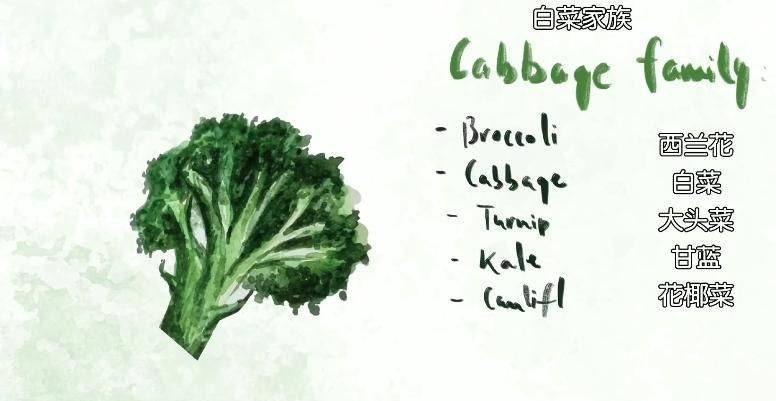
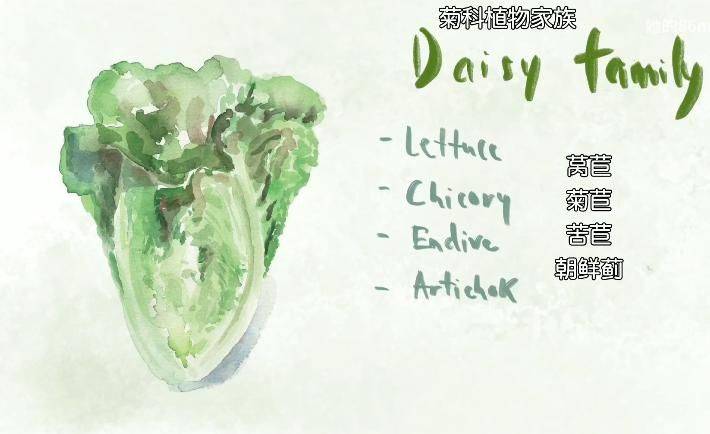
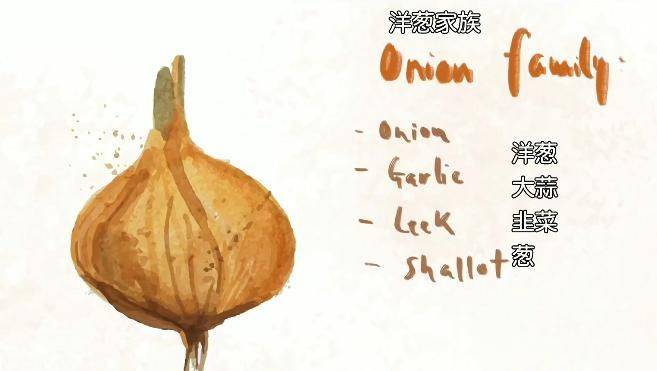
Ps
Insect technique
A lot of people don't want to grow food because they're afraid of little fly bugs on the balcony。
Thuy shared a purely natural method of deworming: leachate。
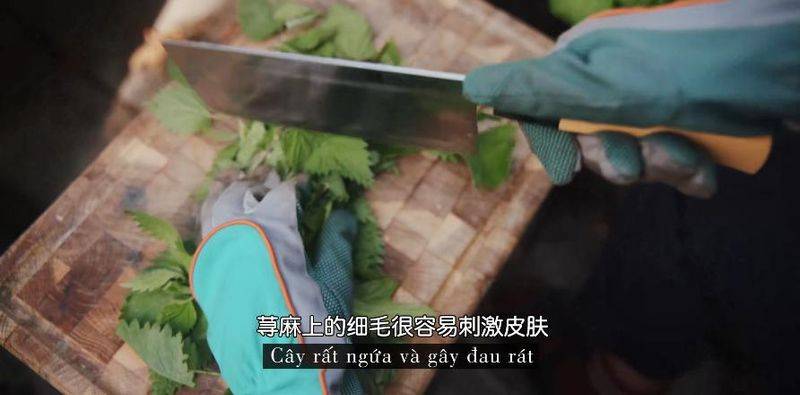
Scratch the washed ricula, dip it in the water, seal it for two weeks, and then spray the vegetables with the bubbled water。
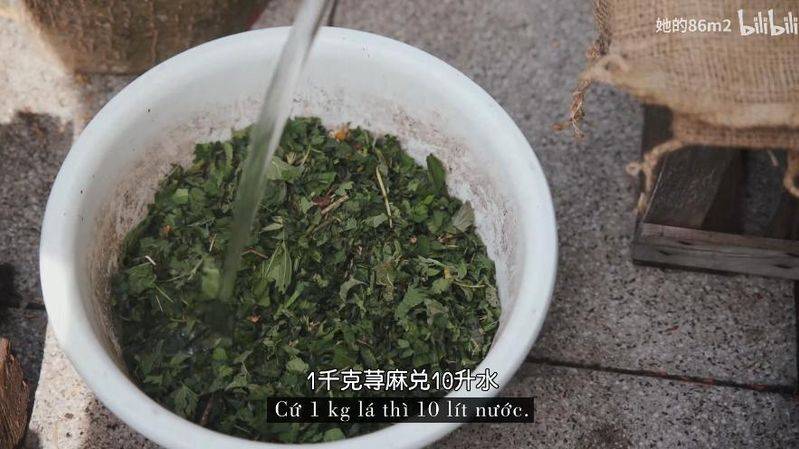

It has to be noted that when dealing with gills, you must wear gloves, or you may be allergic to it
03
Better for freshmen
If it's too much trouble, try hydroponics. The advantage of hydroponics is that it is not local, and it can be grown anywhere at any time。
The most important thing is the seeding of beans. You don't even have to prepare the flower pot。
I’m not sure what i’m saying
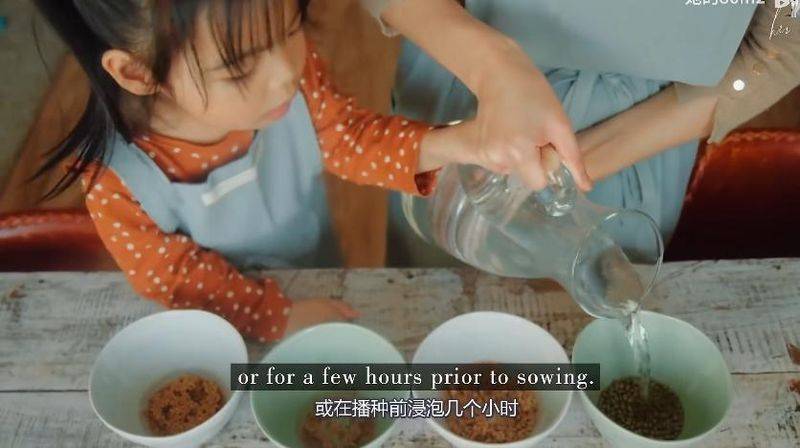
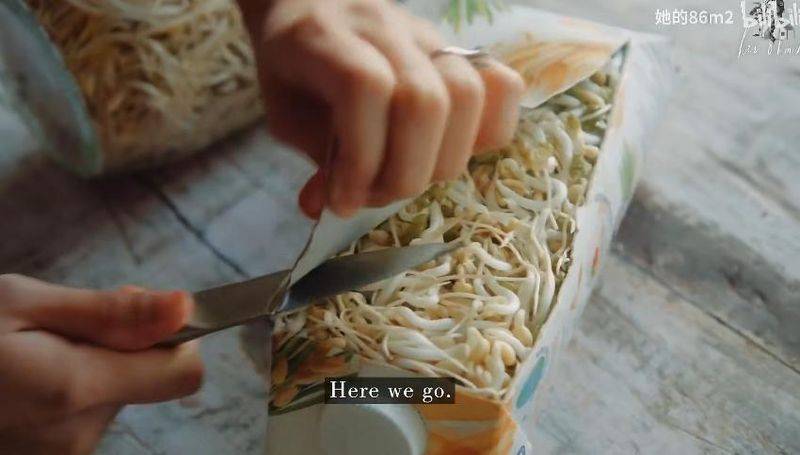
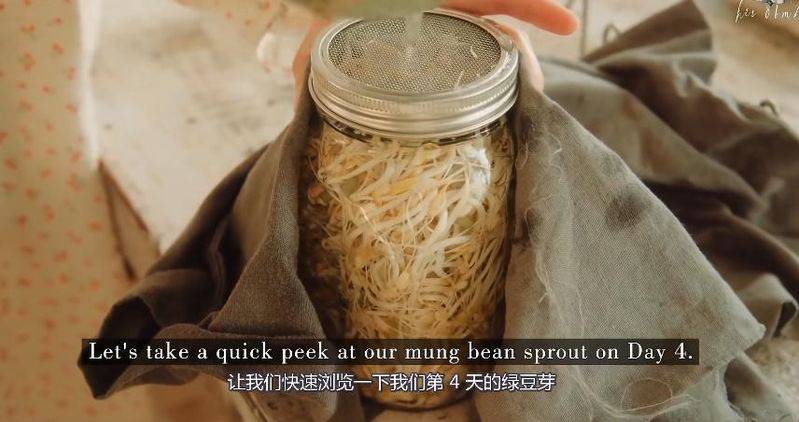
The empty milk box is a very good container, so in order to keep the bean buds from suffocating, you can cut the two corners of the bottom and then pour them in。

All you have to do is pour water into a milk box and soak the beans in two or three minutes and pour it out。
The beans can then be kept wet and the water can take the excess impurities and gases and make the environment more suitable for bean sprouts。
The same steps are repeated for three days, so you can harvest a box of bean buds
If you want a kid to watch the growth of the bean bud, you can replace the milk box with a glass or plastic bottle。
The steps are the same and the water is poured out after three minutes per day of soybeans. However, it should be remembered that the bottles should be covered in black cloth and placed in the cold。
It's amazing when you open it almost every day。
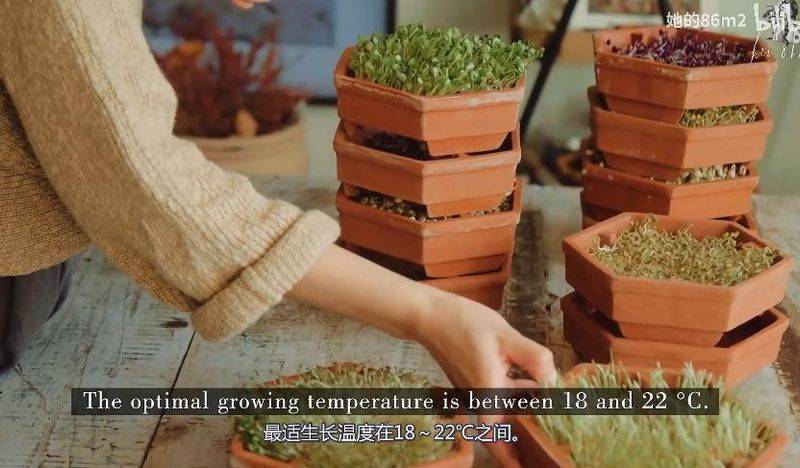
There is a flower basin that can be folded to increase the efficiency of planting, with soybeans, green beans or other mini-vegetables on each layer
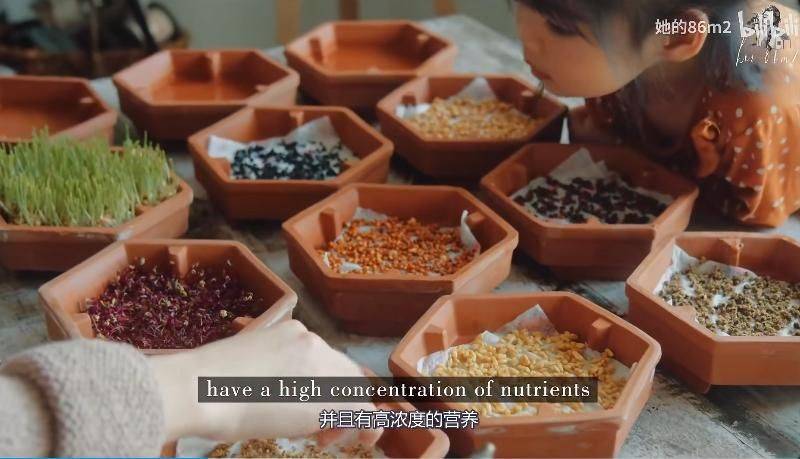
Collapse them, just water the top one, and water flows from the top to the bottom of the flowerpot, and every layer is rinsed, and the seeds are not stylish or stenched by overwater。
Bean sprouts have a maturity cycle of 3-7 days, but the later the harvest, the better
Most green vegetables can also be hydroponic, such as lettuce, green vegetables。
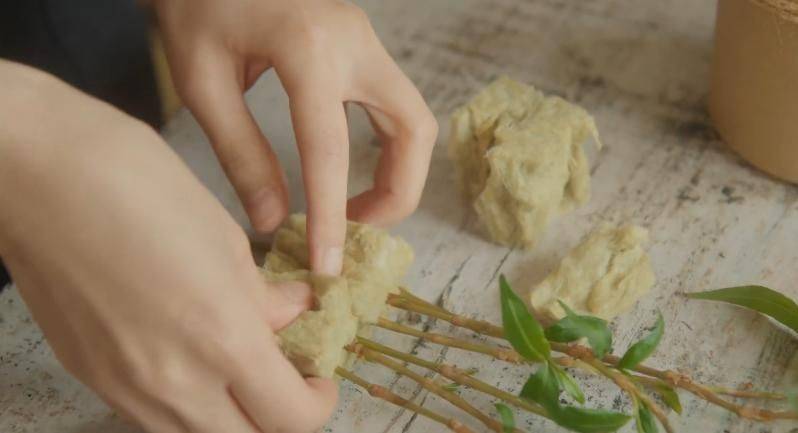
In order to fix seeds and provide a wet environment for future growing plants, a prototyping tool is needed: rock cotton。
First, the rock cotton was immersed in the water overnight。
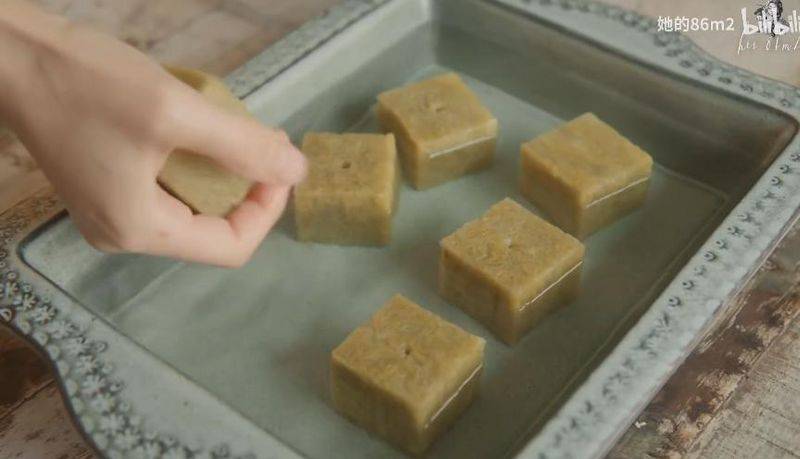
It's softening, tearing up a little mouth and putting seeds in it. Two more seeds could be put in order to increase the growth rate。
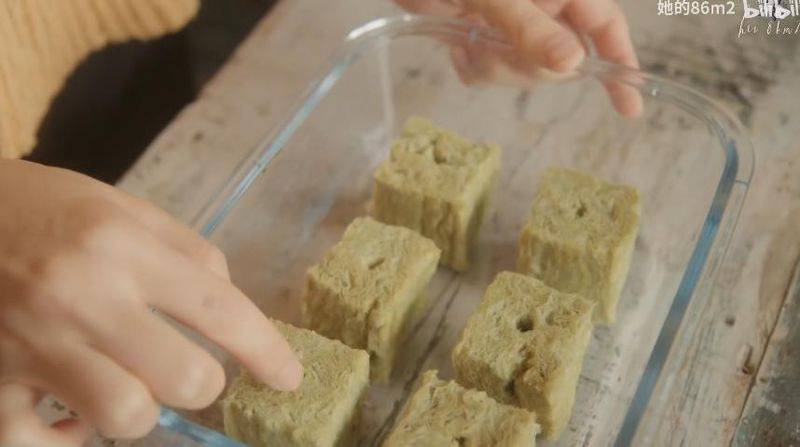
The rock cotton needs to be kept wet, remember to spray water up at some point。
When it's sprouts, you can move it to a bigger bottle。
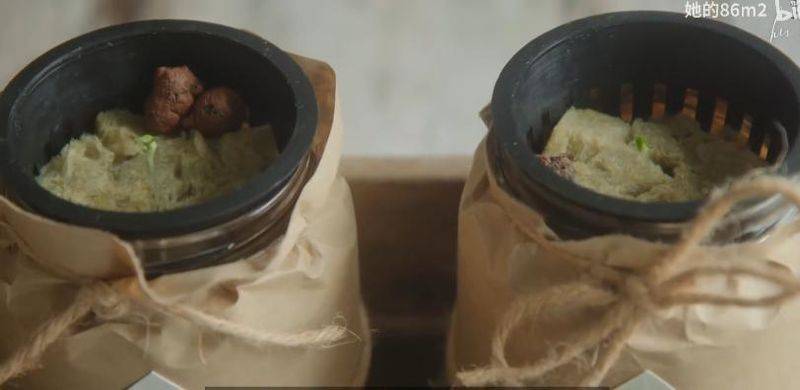
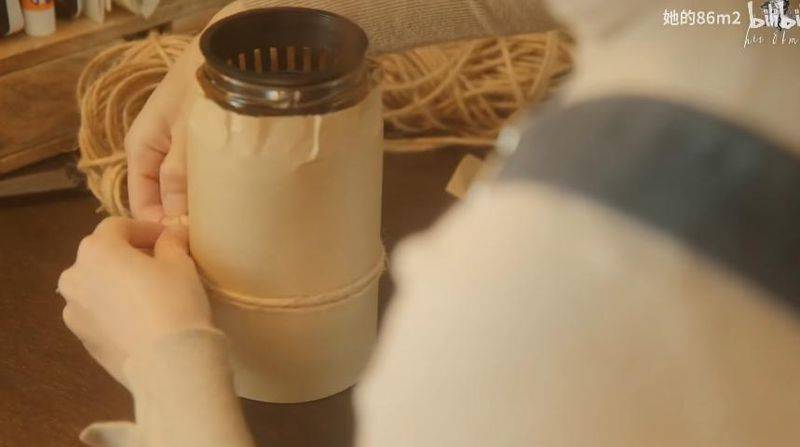
The vials are unlighted, otherwise the nutrient fluids are likely to breed algae, compete with vegetables and stink。
The nutrients should not be filled, and the roots need to breathe air。
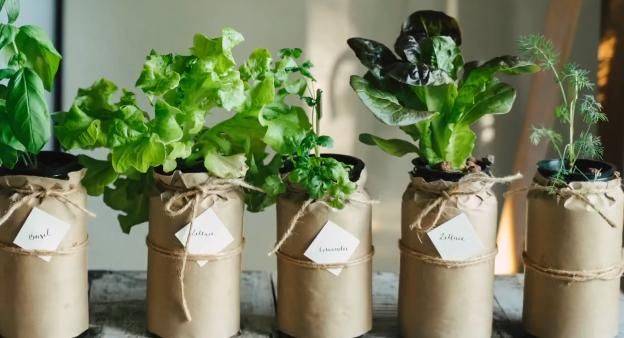
In a month, green leaves will be ready for dinner
In addition, it is possible to try to plant branches in nutrients, similar to those for vegetables。
A slight difference is that root must be very strong, and some of it will have to be cut off in about two weeks。
I didn't plant anything. I put it at home. I didn't see any plants
04
Freshmen's menu guide
Finally, you have been given the best months and harvest time for several common vegetables, and if you want to act, you can refer to the menu to select the first target to grow。
Speedy vegetables

Bean sprouts: all year round, 3-7 days maturity cycle
Vegetables: seeded in march-november, 30-40 days maturity cycle
Empty cabbage: planting in april-august, maturity cycle around 50 days
Spinach: seeded in february-april or october-november, approximately 30 days of maturity
Vegetables with longer growth cycles

Tomatoes: available throughout the year (the balcony is unsealed, except for particularly cold months), about 70 days of maturation: july-august or december-january seeding, 3-4 months of maturation
Cucumbers: seeding in march-april or june-august, maturity cycle of approximately 2 months
Four season beans: planting in february-april, 80-90 days maturity cycle
Bean horns: seeding in march-april or june-july with maturity of about 65-90 days
Vegetable

Acronyms: seeding in march-april or september-october, maturity cycle 20-30 days
Selenium: seeded in march-may, with maturity cycle around 50 days
Onions: seeded in march-april, maturity cycle around 6 months
Garlic: spring maturity cycle is around 100 days, autumn maturity cycle is 220-280 days
Paprika: march-april, 60-90 days maturity cycle
Note: there are differences in planting months and growth cycles, depending on the climate
It was summer, and although the sun was hot, soybeans, eggplants and cucumbers, which were hot and required a lot of sunlight, could be grown during the season。
What else can you do



