In 2020, the shandong medical and health personnel network prepared the basics of nursing for the 2020 shandong medical examination: what do you know about hospital diets
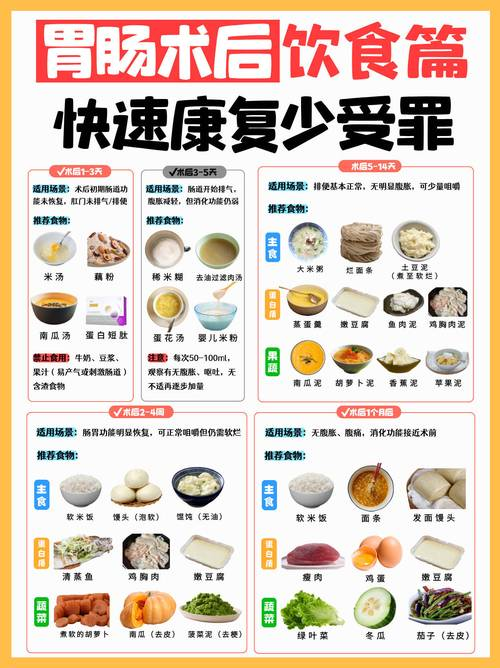
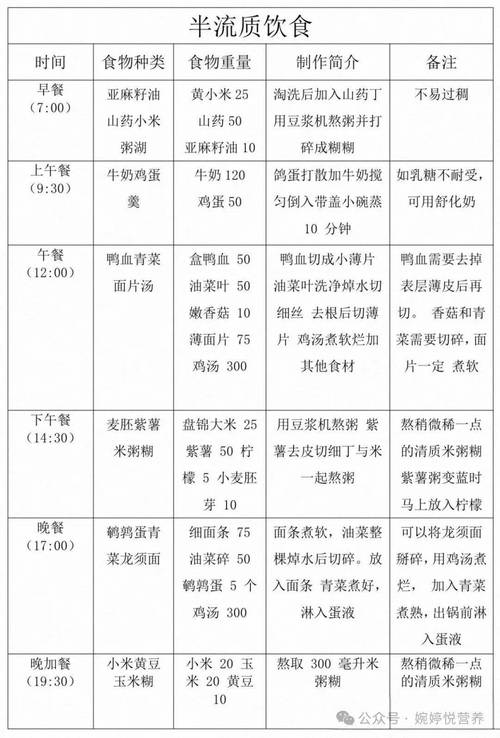
The basic diets available in hospitals are universal, soft, semi-fluent and fluent. The diet is based on the basic diet, with appropriate adaptation of energy, nutrients or preparation methods to meet the needs of the disease. Today, the editor-in-chief leads you to learn about hospital foods on common issues in life。
Question one: from the point of view of kidney disease, what exactly does the “quality low-protein diet” required by patients with kidney disease mean?
High quality protein refers to proteins that have a high digestive absorption rate, high cost of protein organisms, low metabolic waste and can reduce the burden of filtering through kidney balls; non-quality proteins refer to low digestive absorption rates, low price protein organisms, high metabolic waste and increased burdened proteins from kidney balls. The term “quality low-protein diet” refers to a low total, i. E. Total dietary protein intake is consistent with kidney excretion capacity, while high-quality proteins should account for more than 50 per cent of high biological prices. As a result, patients with kidney diseases need to consume some high-quality proteins, i. E., thin meat, milk, eggs, etc., but reduce overall protein intake。
Question two: vegetables, raw or cooked?
There are advantages to whether to eat raw or cooked food, which can control the amount of cooking oil and reduce thermal energy, but the size of the vegetable is such that it is difficult to take large quantities of nutrients into it; it is ready to eat, soften the phytocellular walls, promote nutrient absorption and reduce the volume of vegetables to facilitate increased intake. It is therefore recommended that both intake and nutrition be more balanced。

Question three: can't patients with diabetes eat fruit?
The sugar content of fruits is high, but blood sugar is available on a limited scale and stable, and contributes to the overall health of patients with diabetes. It is possible to select fruits with a lower index of blood sugar, which are usually rich in dietary fibres and have a lower reaction to blood sugar, such as apples and grapefruits. But people with diabetes can't just eat fruit for blood sugar! Because the fruit contains small molecular sugar, it can easily lead to short periods of high blood sugar, while the staple food is slowly released with large molecular sugar, which is more stable。
Question four: high yolk cholesterol content? Fearing that high cholesterol causes heart disease risk and not eating egg yolk?
Exogenous cholesterol glycerine. Except for a slightly higher cholesterol in eggs, other components (phosphate, choline, chlorophyllin, and w-3 fatty acid) are treasures. In fact, only 20 per cent of cholesterol comes from food, while others are made of themselves. It's more dangerous to sit still!
Nutritional treatment is an important component of many chronic diseases, not only focusing on whether patients are alive or not, but also improving their quality of life. At the same time, the topic of “nutrition” is of concern to all, as it is an important safeguard against disease, and it is therefore hoped that, while learning, working, you will be able to take care of your health and become a human being。
The sino-china health recruitment examination network has helped to streamline the assessment of the size of the hospital's diet。