


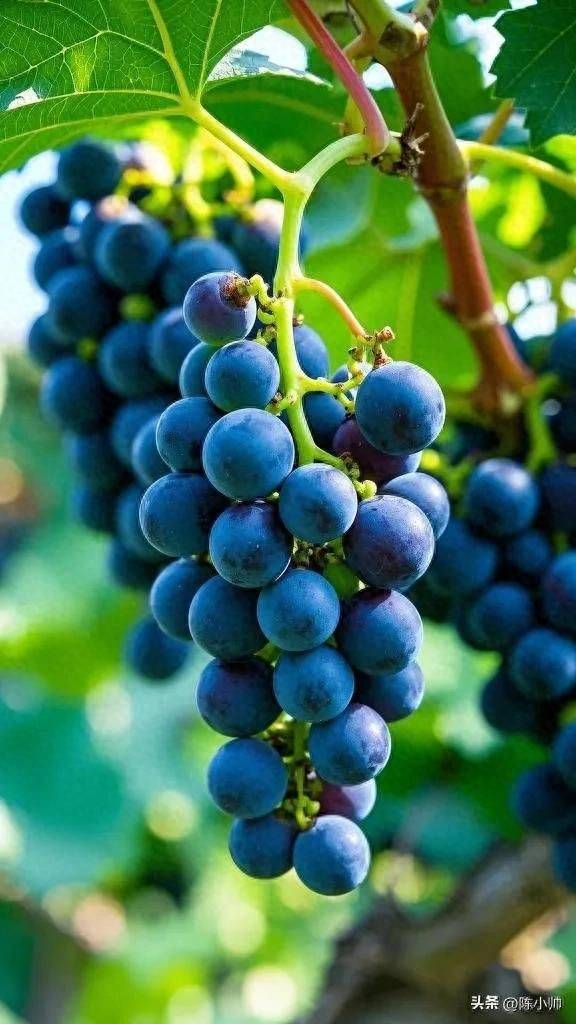
Seed sprouts (suitable for growers)
Caution: commercial planting is usually carried out by adhesion or incubation, and seed sprouts are suitable for experimental or interested cultivation only (seed seedling takes 3-5 years to produce)。
Seed treatment
Selection: selection of seed grains for mature porcelain grapes, cleaning of fruit and meat, preservation after drying。
Drumbs: the seeds are immersed in hot water (35°c) for 24 hours during the winter, buried in wet sand and kept at 5°c for two to three months in cold storage (simulation of natural winters)。
Seeding: when the spring temperature stabilizes at more than 15°c, seeds are buried shallowly in loosely trophic soil, with a cover of 0. 5 cm, soil moist and germinate for about 2-4 weeks。
Management of seedlings (6-12 months)
1. Light and temperature
The seedlings need to be sufficiently dispersed to avoid tan and at the best temperature of 18-25°c。
Watering
Keep the soil moist, and keep the water dry。
Fertilizing
After growing 3-4 leafs, diluted organic fluids (e. G., bean cake) every 2 weeks。
Iii. Mobilization (appropriate placement/adoption)
Recommendations: direct purchase of one year of healthy trees (time and fast)。
1. Time: before spring pre-emergence (march-april) or after fall leaves (november)。
2. Location:
Sunshine, well-drained, ph 6. 0-7. 0 sandy soil。
Line distance of 2. 5-3 metres and strain distance of 1. 5-2 metres。
3. Plantation methods:
The pits, which are 50 cm wide, are dug deep, filled with corroded organic fattening + topsoil, and the roots of the seedlings are spread out, soaking into water。
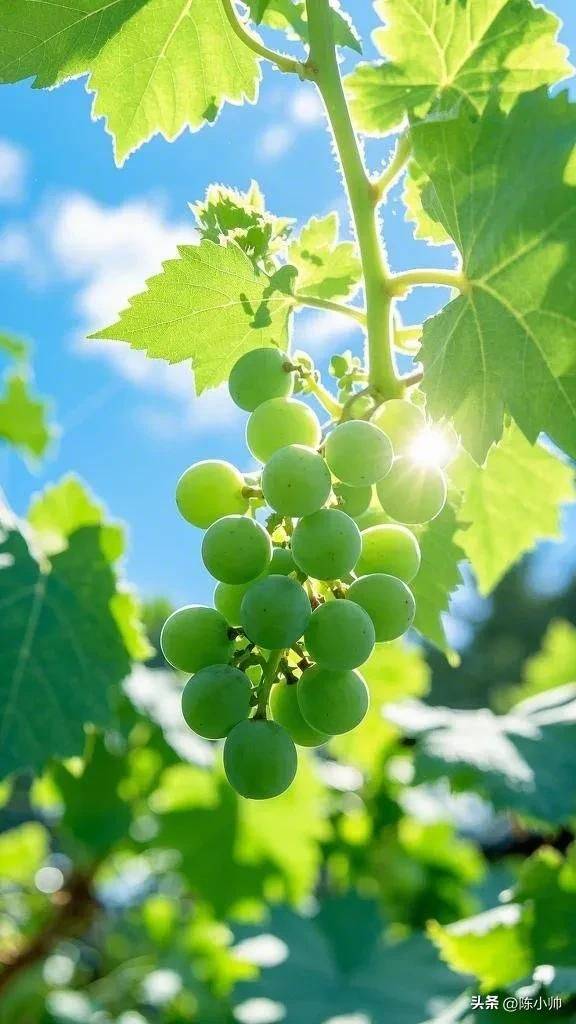
Iv. Long-term management (key steps)
Construction support
Use fences or sheds to guide the chickens to climb and keep them ventilated。
2. Decoration
Winter cut (after leaves): keep 3-4 result branches of the main chicken, with 2-3 sprouts of each。
Summer shears: the extra sprouts are wiped out, 8-10 leafs are removed from the heart and the thick leaves are removed。
3. Fertilizer management
Premium: nitrogen fertilizers (e. G. Urea) for growth。
Pre-fascinating: increased phosphorus fattening (e. G. Potassium phosphate)。
Numeration period: follow-up of potassium + calcium fertilizer (fracking fruit) and maintenance of soil humidity。
4. Pest management
Common diseases: frost (spray of bordeaux), powder (sulphur formulation)。
Insects: red spiders (avicin), fruit flies (package prevention)。
V. Results management
Precautions
Weakly sequenced before flowers, with one to two strings per branch。
The flowering season is softly swirled with the aid of pollination。
2. Speculator bags
Precious soybeans are soared, leaving 40-50 pieces per ear。
Packs are resistant to insects, sunburns and they are coloured 10 days before harvest。
3. Mature judgement
Skin is purple and black, the powder is flat and soluble solids are over 18%。
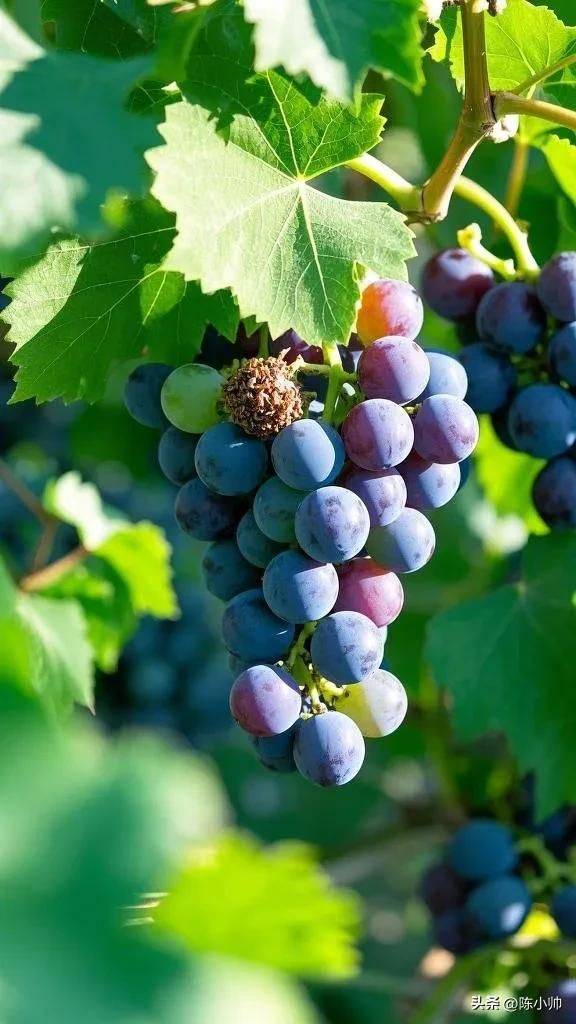
Adoption and post-harvest care
1. Harvest: scissors are used in the morning or evening to extract the ears of the fruit, and they are easily released。
2. Cutting grounds: cleaning of sick branches after falling and disinfection of thiomers。
3. Protection in the winter: the northern area is covered with cold soil and the south is covered with straw。
The benefits to the human body of giant grapes
1. Antioxidation against ageing: rich in vasectomy, white ol, free radicals, and slow cell ageing。
2. Blood supplementation: iron promotes blood creation, potassium regulates blood pressure and protects the cardiovascular environment。
3. Assisted digestion: fruit acid and dietary fibres promote gastrointestinal worming and mitigate constipation。
4. Increased immunization: vitamin c, vitamin b to increase resistance。
5. Low calorie high nutrition: 100 grams, only about 60 kilocalories, suitable for people who lose weight。
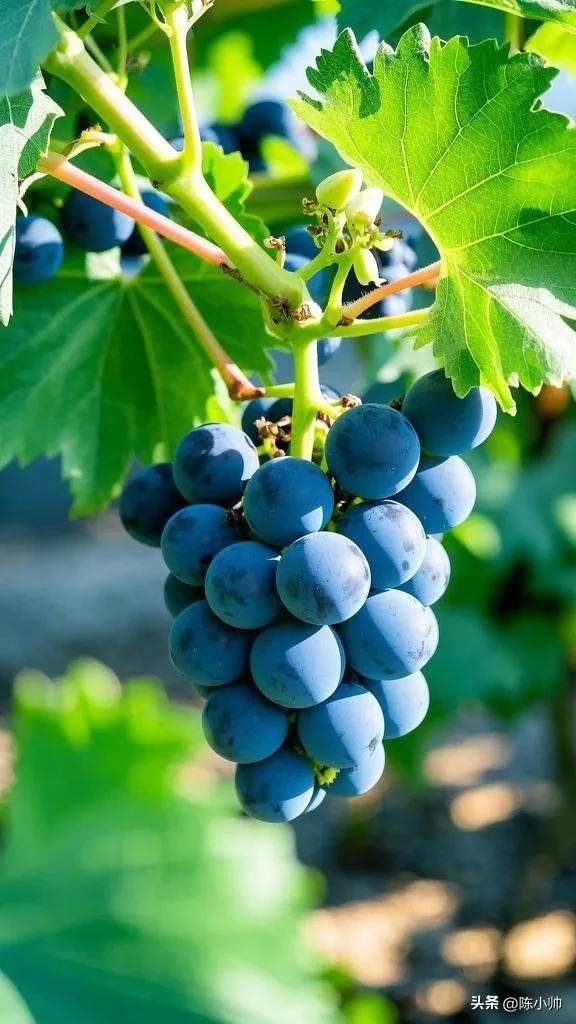
A little tip
Household pelvis planting is an option for dwarfing varieties, and the balcony requires more than six hours of light。
The colossal grapes are easy to fall and need to be carefully managed, and the newcomers suggest starting with the seedlings。
Through scientific management, pyrophoric grapes can flourish in 2-3 years, yielding 10-15 kg per plant



