


Many of our rural farmers have planted grape trees in the corner of the yard and in the fields. And when the sun is dark, it waits for the time of the brocade, and a string of purple and green grapes are covered with branches, and their hearts are relieved. The home picks themselves up and eats sweet mouths, and the rich fruit is sold on the market, with little or no additional income。
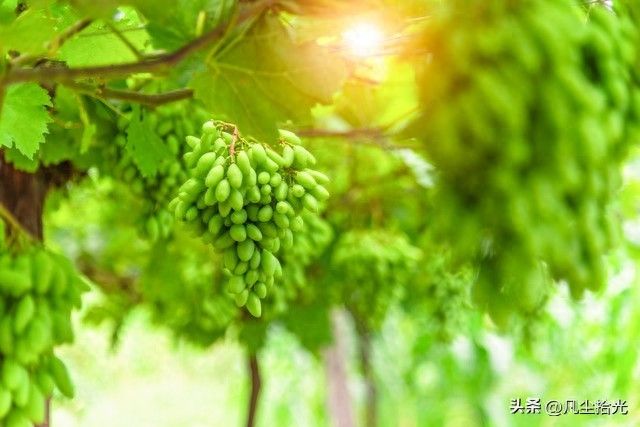
I've been planting grapes at home for seven years. Over the course of these seven years, there have been a number of real pits on the way, and several times they have suffered. At first, he wondered why others' grapes were so full of grains that they could produce a steady harvest year after year; he looked against his family's fruit trees, or the leaves were so thick, and the nuts were so slow; and even if the fruit came out, it was a thin string, a small head, bitter taste, and never reached what was expected。
At the beginning, there was a murmur in the heart, and there were repeated suspicions that it was the grape species of its choice. When people in the village say which breed is productive and tasteful, they try to replace the seedlings, and several items have been replaced. The problem of the trade-off can be completely improved with the hope that it will be replaced by high-quality seedlings, that it will take a turn and a turn, that the fruit tree will remain unsatisfied and that the harvest will not improve significantly。
It was only in a slow and quiet way to communicate with the elders of the village who had grown grapes, and to combine their seven-year field observation and year-to-year comparison, that they realized that. The central reason for the impact of grape production and quality is not simply the superiority or the poorness of seedling varieties. While day-to-day management of water fertilizers has a role to play, it is the cutting that is most easily overlooked by all。
A lot of growers cut off grapes like i did in my early years or couldn't afford to cut them off. The rest of the branches are left to grow by the vines; either they do not know the right time to trim them, they cut them indiscriminately and they damage the shape of the trees. The branches grow in an disorderly manner, their nutrients are consumed without justification, and naturally they cannot concentrate on the flowering results. Today, in the context of my seven-year solid planting experience, the doorways in the grapes trimming, the daily perseverable error zone, and the practical cutting techniques at different stages. These are lessons learned from hands-on experience, and without false pretenses, ordinary farmers can slowly improve their fruit tree state。
Thinking about the wrong way to trim them in the early years, no wonder the fruit trees are growing old
Reminiscent of the years in which the grapes were first planted, and of the fact that it was purely subjective in its own mind, it now looked back at the irrationality of the operation and the main reason for the reduction of the fruit tree。
The first common disease is the heartache, which cannot be trimmed。

Every time a grape grows fresh leaves, it is felt that the more branches the better, the more the leaves are luminous and cooperative, the more the fruit trees grow. Whether it's the long branches of a protégé, the thin ones or the cross-cutting, internal branches, it's all kept. For a long period of time, the whole branch of the grape is stacked up, and the leaves are squeezed together。
It is difficult to penetrate the sun, with long periods of dark and damp within the tree canopy, and not only is it prone to disease, with fruit trees absorbing nutrients, most of which are consumed by useless branches. There are few nutrients that are really used to produce flowers and produce fruits. It is very difficult for nature to pick up the fruit, and even if the fruit is produced, the quality is much less。
The second problem is that the time for trimming is arbitrary and random。
Sometimes when you're free, you have to fix the branches with scissors, the fruit trees are cut over the hibernation, the spring buds are cut blindly, and the tree is cut off at random. Grape trees at different stages of growth are subject to different levels of trim, cutting branches against the growth patterns and easily disrupting their own growth rhythm。
Insomnia is too heavy to cause damage to the nutrients of the tree body, and the following year it will be incubated and new growth will be weak; growing seasons will be broken by cutting branches, destroying the balance of the leaves, blocking the self-regulation of the fruit trees, prone to falling fruit and depleting the roots of the trees。
The third misdirection, which does not distinguish the result branch from the useless branch, is untargeted。
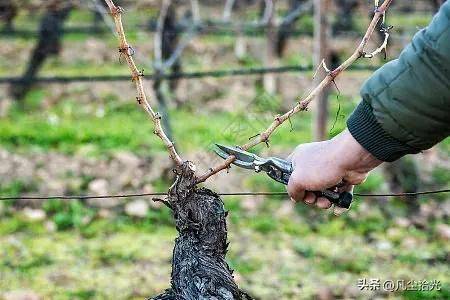
The early years were barely able to distinguish between branches, and the thick, strong branches were cut off at random, leaving a pile of thin, ageing and non-resulting branches. Large branches of nutrient transmission are the main branches of the year to come, blindly cutting off the basis of direct loss results; small branches of nutrients are empty and fail to produce good-quality fruit stringes, and the crop can naturally not keep up。
Over the years, it has been managed in such a way that the result has been a rag of trees, a scarcity of nuts, a poor taste of fruit, and years of busy work without the desired returns. When i hit back and forth, i began to study and learn, slowly grasping grape growth habits, trimping according to seasonal changes, and turning the fruit tree slightly。
Winter hibernation and trimmed, laying the foundations for next year's nuts
After the fall of the grapes, they enter a long hibernation phase, during which the cutting is the most critical step in a whole year of cutting, with the main effect of combing the tree, preserving the high-quality results of the parent branch, reducing the inefficient consumption of nutrients and sustaining the onset of spring。
Temperature is low in the northern region, where the leaves are usually left to be trimmed before the soil is frozen; the southern climate is mild and can be delayed until winter. This phase of cutting can be appropriately large, focusing on the branch layout of the whole tree。
First, clean up completely useless branches. The burgeoning twigs at the bottom of the trunk, the long and fruitless old twigs, the broken twigs affected by the disease, and the twigs that are entangled and squeezed into the interior, are all cut off from the base. These branches are of no use and remain on trees only to squeeze space and increase the probability of disease and pests。
Second, it is reasonable to retain the parent branch. A long symmetrical, dry and full-eyed branch is chosen as the next year's outcome. The number of branches is controlled according to the age of the fruit tree, the size of the tree canopy, the size of the tree, the size of the tree, the size of the tree, the size of the tree, the size of the tree, the size of the tree, the size of the tree, the size of the tree, the size of the tree, the size of the tree, the size of the tree, the size of the tree, the size of the tree, the size of the tree, the size of the tree, the size of the tree, the size of the tree, the size of the tree, the size of the tree, the size of the tree, the size of the tree, the size of the tree, the size of the tree, the size of the tree, the size of the tree, the size of the tree, the size of the tree, the size of the tree, the size of the tree, the size of the tree, the size of the tree, the size of the tree, the size of the tree, the size of the tree, the size of the tree, the size of the tree, and the size of the tree。
The length of the branch is controlled when trimmed and is briefly processed according to the length of the branch. The long, medium-sized branches retain the right number of sprouts, the long, weak ones are properly reduced and the strong ones are reasonably long. After the cut has been completed, the entire tree has a clear contours, the branches have been misdistributed, nutrients can be stored centrally, and spring can be sprouted。
As many farmers ignore winter shears and rush to fix the whole branch in spring, the fluids begin to flow, cutting is prone to loss of nutrients, and affects the normal growth of new gerbils。
The spring sprouting, the growth density of the branches
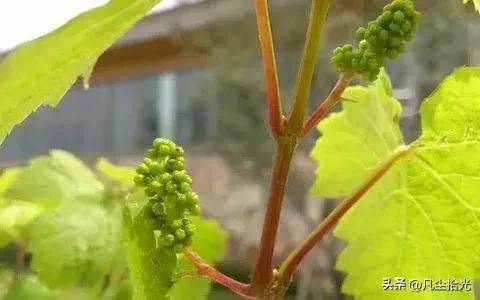
Through the cold winter, the temperature slowly rises, and the buds on the vines begin to germinate, and when new heights grow a few centimetres, it will be necessary to carry out the sorting exercise in time. This step is mainly to screen for the growth of the body, to remove the extra buds and to avoid the growth of the branches。
The same sprout position often results in multiple sprouts, with only one of the oldest and most powerful new sprouts preserved and the remaining small, deformed sprouts wiped out. Unnecessary buds on the trunks also need to be cleaned up and nutrients concentrated on the strong branches that remain。
Wait until the new steps continue to grow, distinguishing between the results and the nutrients. It is the outcome that carries the flowers and the fruits that follow, and the nutrients that are simply long leaves and are responsible only for feeding. The two branches should be retained in a reasonable combination, rather than simply preserving the results or leaving the nutrient branches alone。
The growth density of the branches is controlled so that the branches cannot be too close to each other to prevent the later foliage. If the new dynamic is too strong and the phenomenon of protégé can suffocate the top, slow down the branch's spread, encourage the branch to grow stronger and stronger, and avoid a slight fall。
The spring trimming does not require one-time trimming, but is prepared in two to three stages. Too many one-time trims and the fruit trees cannot adapt; it is difficult to adjust the tree by combing the late branches and collage. A well-established spring trimming, which avoids foliage from the source, can also reduce the subsequent trim。
Scratch the whole branch before and after the flower
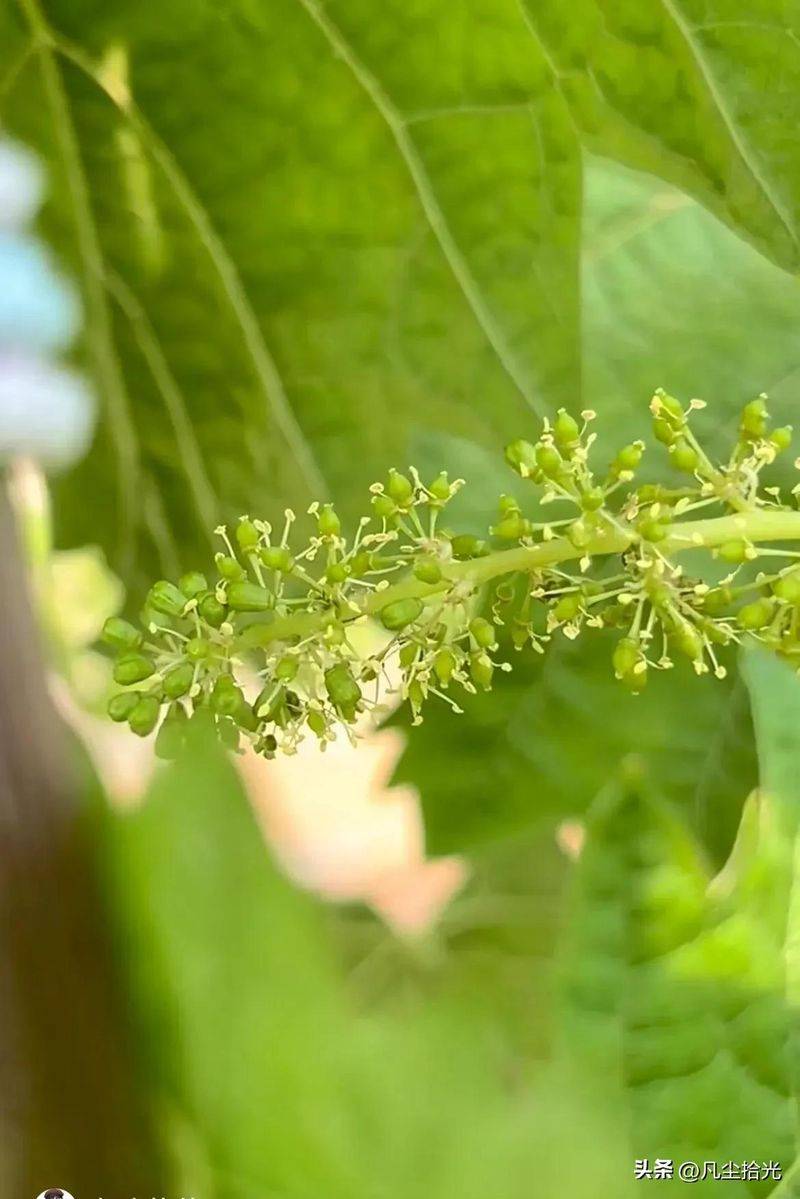
Before and after the grapes enter the flower, the branch grows faster, the purpose of which is to regulate the distribution of nutrients, assist in the development of flowers, raise the rate of sit-in and reduce the problem of falling fruit。
In a timely manner, care is taken in the case of the fast-growing protégé. As a result, the branch was above the line, and after retaining several leaves, it was cut off from the top and the inhibiting branch continued to go crazy. In this way, the nutrients that were delivered to the top will be replaced by a bouquet of bouquets, which will allow the flowers to flourish and become more stable when the flowers bloom。
It also combs the branches with extra stalks, with long, thin stalks in the armpit position, and leaves only a small amount of supporting leaves, which are removed in a timely manner. The fast growth of bystanders consumes large amounts of nutrients, allowing growth to take away sequenced nutrients, resulting in lower flower quality。
It is also necessary to rationalize the course of the branches in a timely manner and spread the crowded branches out so that they do not entangle each other. Ensuring that the raisins are adequately luminous, well ventilated, wet and hot environments are prone to flowering, permeable growth environments, and are more conducive to grapes sitting steady。
I've spent so much time in the past that i've grown so tall that my nutrients spread so thinly that every year i see a lot of flowers and a lot of fruit. Following the maintenance of a reasonable cut-off for the flowering period, there has been a marked increase in the number of sitting fruit and the string has become full。
The fruit swells and fixes the leaves. Shit
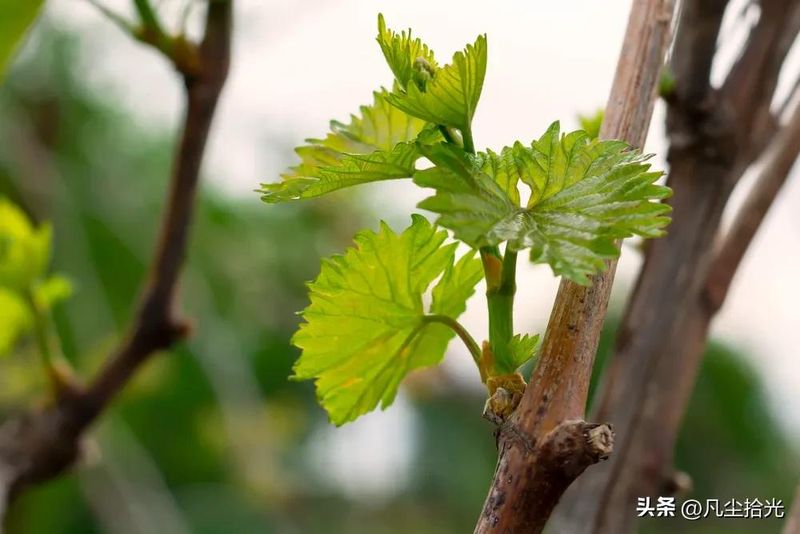
At the end of the sit-down, the small grains slowly enter the swelling phase, at which time the work is being done around protecting the string, promoting the growth of the fruit and preventing the disease。
Intensive leaves that first shield the fruit string are properly removed. The blades can shield the sun from the strong light and avoid the tan of the fruit, but the blades are too tight to cover the layer. Properly remove the old and dense leaves that are attached to the fruit, so that the string can be exposed to scattered light and dry, neither tan damage nor fissures or decomposition due to damp heat。
To continue to clean up the useless sidekicks, not to allow the new branches to grow indiscriminately, to reduce the waste of nutrients on a continuous basis, to allow nutrients to flow to the fruit grains and to contribute to the expansion of the fruit. For slashed, down-trawling branches, simple bundles are fixed to prevent fruit string exposure to soil bacteria。
At this stage, be careful not to trim the leaves. Leafs are the key to nutrient production, and their growth may be limited by insufficient photolytic capacity. It is sufficient to keep enough healthy leaves to sustain normal growth of fruit trees。
Many farmers see fruit swelling, and then they stop twigling, with all kinds of foliage, the worst effects being uneven sizes, frequent disease and lack of a sense of taste, and the effects on the quality of the fruit are particularly evident。
Scratch conservation after harvesting, growing trees for next year's harvest
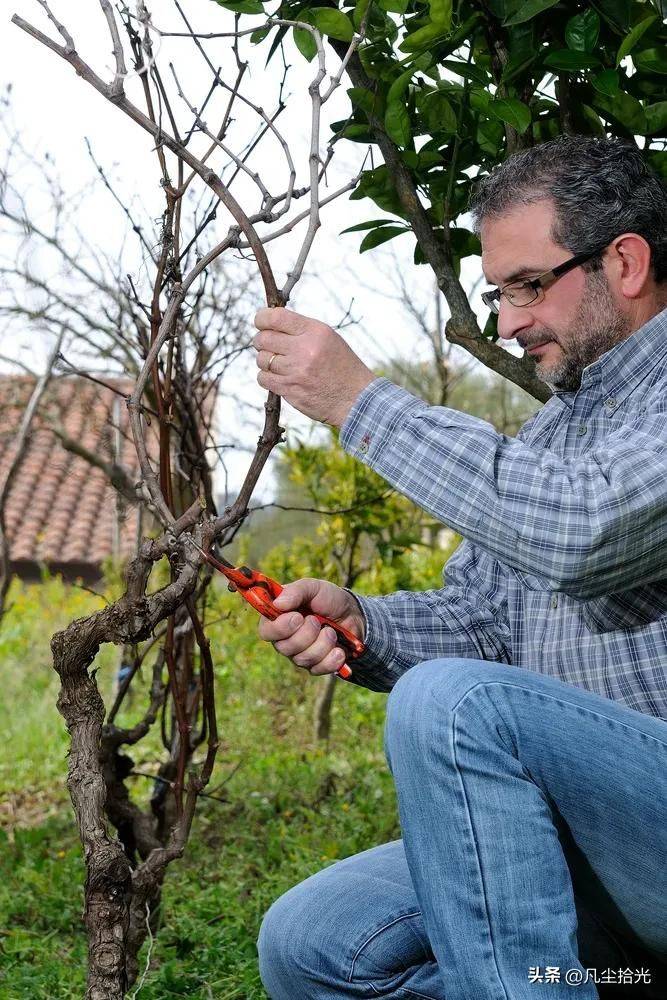
Following the completion of the grape harvest, many people feel that the year's work is over and that the fruit tree is grown directly and, in fact, the cutting is an important part of the conservation of the tree's position, which directly affects the basis of the next year's brood。
At this point, it is not necessary to trim the branches, but to make minor repairs. Cleans up the branches of disease, dry branches and long and weak branches left in the trees, cutting out the over-crowded branches and improving the ventilation of tree crowns。
After a full year of adjoining fruit consumption, fruit tree nutrients are more expensive, rational trimmed to reduce useless consumption, together with daily maintenance, so that leaves are normally used for light co-operation, and nutrients are harvested back to the roots of the tree. The trees are well resting and the winter is more resistant to cold, and it is only in the coming years that there will be sufficient bottoms for buds, stubs and thaws。
After cutting, trimming and trimming, the branches are decaying, the tree position is weakening year by year, followed by years of age, a year of productive abundance and a year of reduced production, making it difficult to maintain a steady harvest. The fruit tree is stable and can have a normal year after year。
Seven years of growing hearts must be summed up and trimmed. Points
Seven years of first-hand mapping, changing varieties, adjusting water fattening, and finally making it clear that the key to a good or bad grape harvest has never been a seedling. Under the same conditions, shearing techniques are in place, trees are organized, nutrients are concentrated and fruit yields and quality are naturally increasing steadily; shearing is messy and the best varieties are difficult to produce。
Cut grapes, and first change the mind you can't afford. The useless branch will only drag the fruit tree, which should be cut off, and the short branch will be dealt with decisively so that the fruit tree can grow healthy。
Second, it's strictly trimmed with the seasonal nodes. In winter, plastics are cut to the bottom, spring cut to the point of density, bouquets to the bouquets to the bouquets, bulges to the leaves to protect the fruit, and then cut the tree, each stage of which is assigned to its duties, without disrupting the pace of growth, and without cutting the branches blindly。
And then there's a distinction between branches. Distinguishing result branches, nutrient branches, ageing branches, insect branches, targeting, maintaining good-quality branches, removing waste branches that deplete nutrients and maximizing their efficiency。
Finally, we trim the weight scale. The hibernation period may be moderately re-cut, with the growth season being dominated by light cutting, heart cutting and trimming, flexiblely adjusted to the age of the tree and the long length of the branch, without overcuting the damaged tree body, and without neglecting to trim it for long periods。
During the day-to-day planting process, the provision of water, basic protection against pests and diseases will also need to be matched, and the maintenance of cut-up packages will be mutually reinforcing. The rules and regulations will be perfected and the resistance of fruit trees will increase, and problems will decrease considerably。
Many of the growers around them are struggling to change their new varieties, spending their energy and resources to replace them, neglecting routine cutting and cutting management, and in the end still reaping evenly. Instead of changing luck more often, it is better to learn to trim it, to get the tree form right, to have a smooth supply of nutrients, and to have more and better fruit。
A warm little sticker
Grapes grow over a long period of time and are trimmed as a step-by-step agricultural undertaking, with no one-size-fits-all approach. It's just starting to trim, and it doesn't have to be a step-by-step process, so it can be slowly adjusted. Combining the actual growth of their fruit trees with flexibility and multi-observation of the branch's growth, it is slowly possible to master the right cropping scale. As long as norms are adhered to, fruit trees will become more and more robust and the harvest will be stable year by year。
How many years have we been growing grapes? Have you ever seen a long leaf with no results and a thin string? How do you trim the branches all the time? You are welcome to talk about your planting experience and ideas in the comment area, to share and learn from each other, and to share the fruits of grapes。



