Elements of technology for high-yield green production of winter wheat
1 land preparation
The field is used for non-wheat and barley whistling, the upper-moderate fertility of the soil, the flatness of the ground, the depth of the soil, the strength of water retention, the soundness of the drip irrigation system, the organic mass, more than 1 per cent, the nitrogen effect above 60 ppm, the velocity phosphorus more than 15 ppm, and the total salt quantity does not exceed 0. 3 per cent。
Prepare for 2nd
2. 1 quite the ground before the broadcast
The soil is “deficient” and the field remains unsettled by the collection of debris, straw, etc。
2. 2 zero zero
2 tons of organic fattening per acre, 25 kg of ammonium phosphate, 8 kg of urea, 5 kg of potassium sulphate, 25 cm deep, combined with conversion to soil。
2. 3 equipping equipment ready
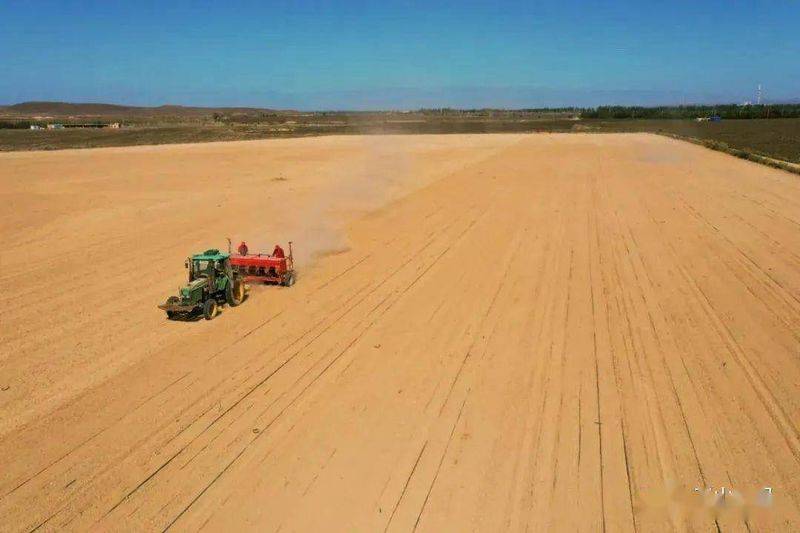
Use of 24-line grain sowing machines. The line-space placement is adjusted to the six tube of a wheat machine (60 cm drop zone). Agricultural tools, such as seeding machines, and debris, should be matched。
2. 4 seed wrapping
Seeds are selected for quality in accordance with gb4404. 1-2008. Twenty-three per cent of the typhus foumi is used as a double-suspendant clothing blend to combat pollinosis, rusty, black ears, etc。
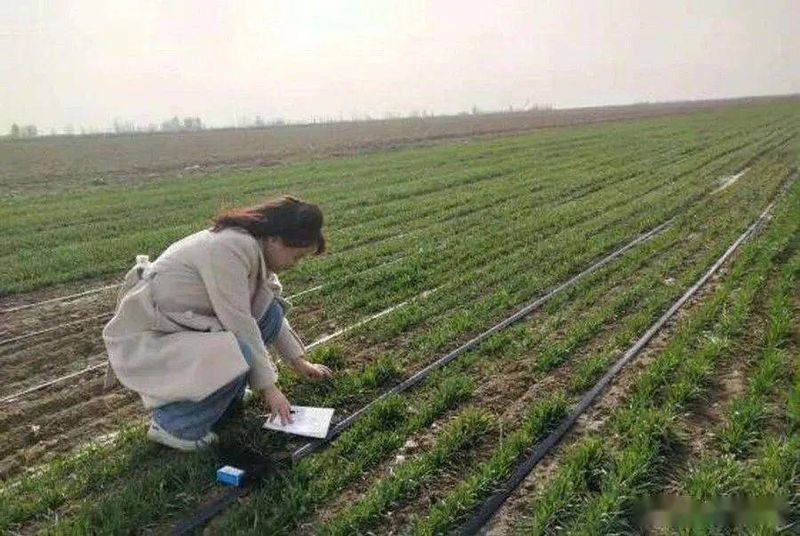
2. 5 drops of tape
The selection of the flow is moderate, with the drop of water, and the drop of the drop of the fat is uniform. Tilt spacing, drip drops are selected according to soil quality. The sandy soil chooses the droppage distance of 20 cm, the drip drip rate of 3. 0-3. 2 l/h, the droplet range of 20-25 cm, the drip range of 2. 6-3. 0 l/h, and the clay selection range of 25-30 cm, and the drip rate of 2. 0-2. 6 l/h。
Three seed requests
3. 1 time of seeding
The average day and night temperature stabilized at 16-18°c in september was the best planting period for winter wheat. 3. 2 seeding
Acre seeding is determined on the basis of an acre saplings of 350,000 to 450,000 and thousands of seeds, usually 22 to 25 kg。
3. 3 quality requirements for seeding
The seed depth is maintained at 3-4 cm. It will be followed by the installation of a back-to-back tube and the installation of the head. Dripping tape for wind-proofing is generally less than 1-2 cm. The time between seeding and dripping does not exceed three days。
3. 4 sowing methods
Before seeding, seeders are fitted with drip-tip-laying devices and seeding, fertilization and drip-tip-laying are performed in a dragon operation. During seeding, fattening, ploughing boxes, acres containing 8 kg of ammonium phosphate。
Four drops of seed water
Dry seedlings of wet seedlings, with acre droplets reasonably determined on the basis of soil quality, generally of about 60-80 square feet, with wet peak depths below 25 cm and water holding levels of 75-80 per cent of the soil layer, allow the seeds to fully absorb the lumber and ensure consistency。
5 winter field management
5. 1 replanting of seedlings
This is done in a timely manner。
5. 2 shrimp management
The pre-frozen population has a total number of more than 800,000 tubers, with 5-6 leafs and 6-8 stubs. Omnibus seedlings should be properly delayed and water should be pre-empted。
5. 3 winter irrigation in due course
Winter irrigation has a drought-resistant water storage function that stabilizes temperatures, freezes and salines, allowing wheat seedlings to grow safely over the winter and after recovery. The appropriate time for winter irrigation is usually 2-3°c average daily temperature and acre drops of about 60 square metres。
5. 4 before winter
A combination of 6-8 kg of urea in acreage in winter is used as a “winter fertilisation spring” depending on the slender and geodynamic force。
5. 5 winter management
In winter, wheat has taken effective measures to protect against freezing and rodents. Animals are prohibited from entering wheat fields to eat, trample and destroy the snow layer and ensure safe winters. When frozen, the snow layer reaches less than 8-10 cm thick, and retrenching tests are performed in due course to detect the effects of the freeze and to detect problems in a timely manner. Take effective measures to prevent rodent damage to drip irrigation facilities。
Management from mid to midlife
6. 1 flooding protection
When snow melts, water is drained from the fields in time to prevent the suffocation of wheat seedlings. 6. 2 drainnet inspection
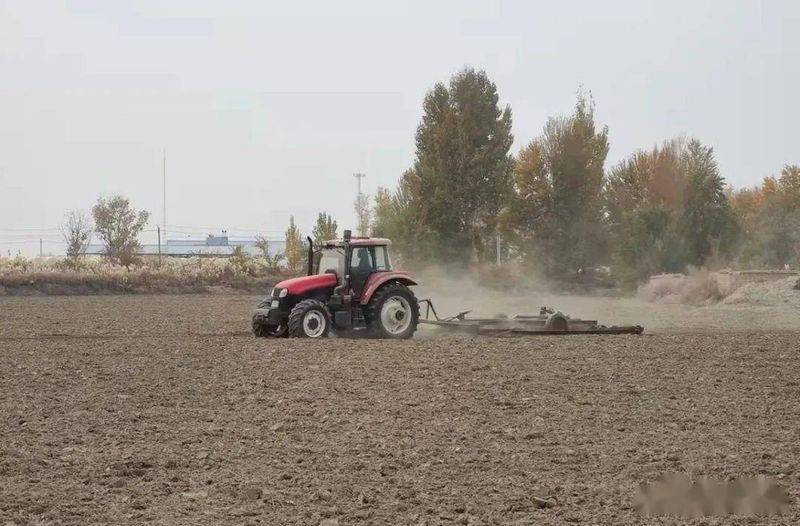
After spring, the drip irrigation network is strictly inspected and the drip irrigation facilities and network maintenance are performed to reach the level of availability。
6. 3 refilling water as appropriate
Whether wheat is watered when returned to the ground will depend on the condition of the wheat field. If winter snow is low, spring and drought, soil is less than 65-70% water, when 5 cm earth level temperatures average 5 days at 5°c, water is pumped on the basis of soil acre, with a volume of 40-50 drops。
6. 4 chemical regulation
Rationalize control in a timely manner, depending on the characteristics of the species. In the early stages of acre application of 40 per cent of the dwarf 350-450 grams combined with a combination of chemical weeding sprays; in the case of a long, excessive wheat field, a second chemicalization control took place after the first 7-10 days of control or before the second water, 40 per cent of the acre was used to control the growth of the wheat moist in the root system, and to prevent reversals and increase the particle weight。
6. 5 prevention of weeding in wheat fields
The focus is on the protection of herbs such as wild oats, dog tails and eucalyptus, and twigs such as field swigs. Twenty per cent of the excavator 200-250 grams of diachloride is used in broad-leaf weed acres for 30-40 kg of spray before and after the barley break. Wild oats (in oats) should be treated in a combination of different ways, such as rotation, with chemical control mainly occurring prior to the barbeque of wheat, using 40 ml of acre for water protection。
7 tabs - episode management
7. 1 water fertilizer management
Two drops of water are required during the run-up to the pump, each of 55-60 acre drops and 12 kg of urea with an acre drop, 5 kg of ammonium phosphate, 3 kg of potassium sulphate, and 2 drops of microbial agent 350 g (200 g/acre with water before the throttle and 150 g/acre with a ear before pregnancy)。
7. 2 prevention of pests and diseases
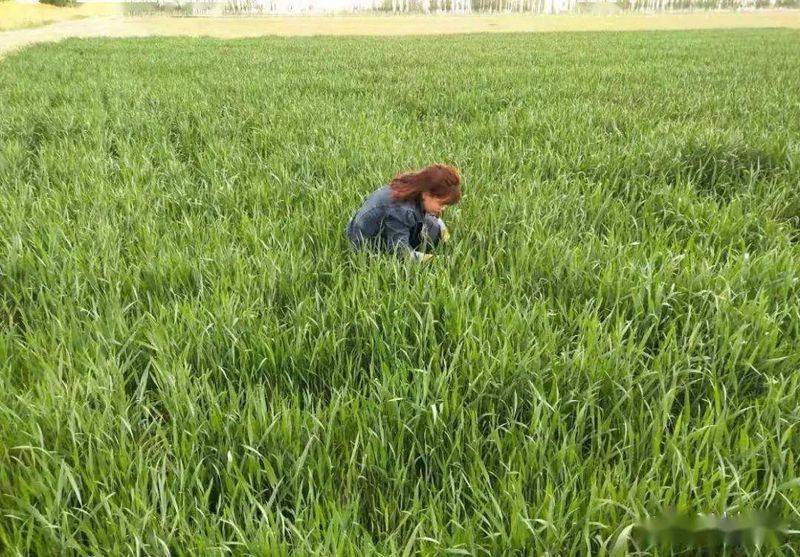
The main pests of wheat during this period are wheat pyrethromatics, where the acres use 0. 015% ethylethrin + ethetheractone (pentazine, ether acetate) + 10% acetate (net of lice) wettable powder 15-20 g + potassium dihydrophosphate 100-150 g to water 25-30 kg spray control. When pollinosis, rusty disease occurs, 15% rusting 50 g/acre or 25% rusting 30-40 g/accre should be used in a timely manner to treat 30-40 kg spray in water。
8 speculation to maturity management
8. 1 fertilizer management
Episode to croupier drip once, 45-50 acre drip, 8 kg urea with drip, 3 kg ammonium phosphate and 4 kg potassium sulphate with drip; and 2 times urea drip with 30-40 acre drip with 5 kg urea per drip, 1 kg ammonium phosphate with potassium sulphate with drop. 25-30 drops of acre water at the beginning of waxing, increasing the weight of the particles to prevent early root decay. The rain and wind do not pour water during wheat slurry periods to prevent the fall of wheat。
8. 2 prevention of pests and diseases
The main diseases of wheat during this period are dusty, rusty disease, which is treated with ethylene esters (pentasterol, etheracium) + 40% aphids + humid powders + potassium phosphate + 150-200 g to water 25-30 kg spray. In order to prevent dry heat hazards, leaf-leaf fats such as amino-vagina and algae will be added during this period。
9 harvest management
9. 1 pre-harvest preparation
Facilities such as drip hoses laid in wheat fields are recovered and emboldens are marked. (c) upgrading agricultural machinery used for wheat harvesting。
9. 2 harvest time
The harvest begins when the winter wheat reaches the end of waxing。
9. 3 quality of harvests
The total loss did not exceed 5 per cent, the netting-off rate was over 97 per cent and the rate of fragmentation was below 1. 5 per cent. 9. 4 wheat treatment
Quick withdrawal of drip irrigation belts, wheatgrass, stubble; timely tillage, sunburning. (text-edited: tianshan shiba)