


What's the point of winter wheat management
The management focus of winter wheat is to ensure that the various elements of wheat are effectively managed and controlled from seeding to harvesting in order to achieve high-yielding and high-quality goals. This involves soil management, water management, fertilizer application, pest control and seeding and harvesting. The following is a detailed description of the key elements of winter wheat management。
I. Soil management
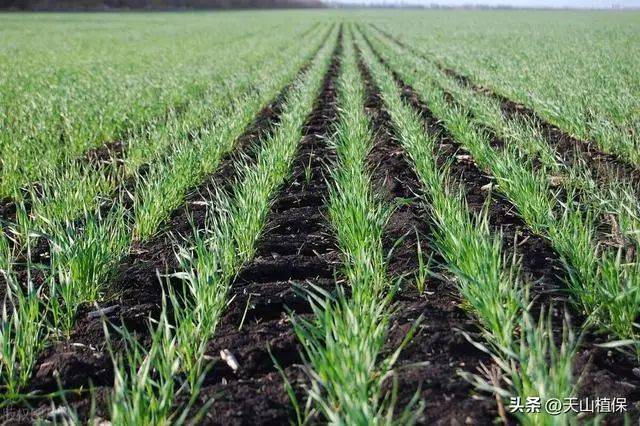
Soils are an important basis for wheat growth, and good soil conditions are essential for wheat growth. In the first place, the plots must be nuanced to cover 25 cm or more, break the plough floors, increase the thickness of the crop and increase soil conservation capacity. At the same time, the ground is to be levelled and not to be exposed. Before seeding, sufficient base fat should be applied to provide the nutrients needed for wheat growth. Bottom fertilizers should be predominantly organic, supported by fertilizers, which can improve soil organic content and soil structure. High-quality farm fat is generally applied to 2000-3000 kg of urea per acre, 10-15 kg of urea and 20-30 kg of ammonium phosphate as base fat。
In wheat growth, care must also be taken to maintain the proper humidity and fertility of the soil. Reasonable irrigation is essential and the amount and duration of irrigation should be determined in accordance with soil conditions and climatic conditions. It is necessary to water the winter before winter breaks, maintain soil moisture and facilitate the safe passage of winter wheat. Water should also be watered in time for the spring drought to facilitate normal growth of winter wheat. At the same time, attention should be paid to drainage and flood prevention to avoid excessive moisture affecting the normal growth of winter wheat. In terms of fertility, the demand for wheat growth should be followed up in a timely manner. The principles of “light application of seedlings, re-fertilization of ears and re-fertilization of particles” are followed。
Ii. Water regulation
Water is an important factor in the normal growth and development of winter wheat. During the birth of wheat, the irrigation time and volume are to be rationalized according to soil conditions and climatic conditions. The seeding of wheat must be preceded by the construction of a seedling, followed by the planting of seedlings to ensure a full seedling. It is necessary to water the winter before winter breaks, to maintain soil moisture and to facilitate the safe passage of wheat. Back to the climax can be watered again to facilitate the early return of wheat. During the ceremonial period, the water can be pumped over and over again to increase the rate. Wheat slurry periods can be used to replough water, promote seed grain slurry and prevent dry hot wind. Irrigation must be “water-to-feat, water-to-gas and water-to-temperature” to ensure the moisture required for wheat growth。
Iii. Fertilizer management
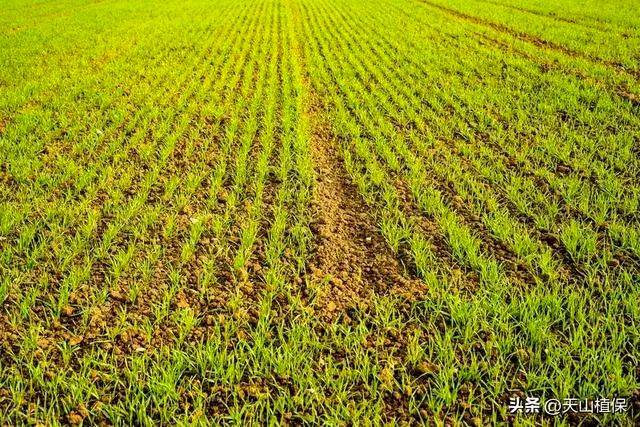
Fertilizer management is one of the keys to high wheat production techniques. On the basis of the application of base-based fertilizer, fertilizer such as nitrogen, phosphorus and potassium should be followed up in due course, in accordance with wheat growth needs. Fertilisation and fertilization patterns are determined by soil fertility and wheat growth。
Retaliation can contribute to the growth of wheat seedlings and root systems. Pedestrian fertilization can promote plant growth and the separation of young ears. In the case of fertilisation during pregnancy, it can increase the fertility rate and the weight of thousands. In the pursuit of fertilization, urea is generally applied at about 10-15 kg per acre, with appropriate application of ammonium phosphate and potassium fertilizer. Leaf fertilizers are a fast-paced means of supplementing nutrient demand in the later stages of wheat growth. In the later stages of wheat growth, the application of a suitable amount of potassium phosphate or urea solution per acre enhances the resilience of the plant and improves its yield and quality. In general, there is a single spraying of 99 per cent of potassium phosphate at 50 to 100 grams of potassium phosphate, before pollination, before flowering, during slurry, and 20 kg of flat spray in water。
Iv. Pest management
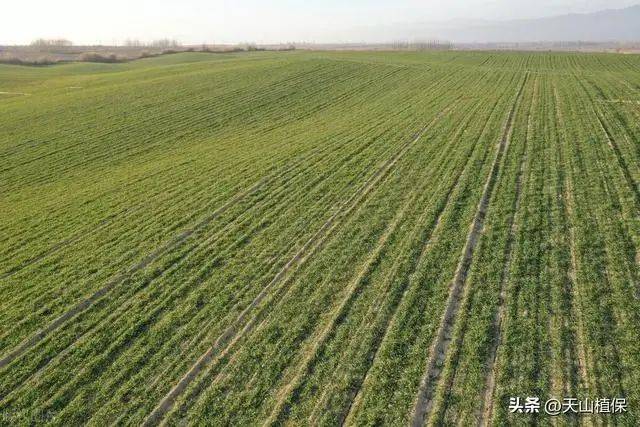
Pest management is an important component of wheat management, as wheat growth during winter is vulnerable to pests and pests. In the area of pest and disease control, integrated measures should be taken, such as rational use of pesticides, improved field management and timely pest removal, in order to ensure a healthy growth environment for wheat。
Prevention is a fundamental principle of pest control. Improving the resilience of wheat by selecting disease resistant varieties, rational fertilization and scientific irrigation. Effective, low-toxic and low-residual pesticides should be selected for treatment in a timely manner at the onset of the disease. At the same time, care is taken to ensure safe use of pesticides and to avoid environmental and human hazards. During critical periods such as the gestation of wheat, emphasis should be placed on the integrated prevention and treatment of bacterial diseases such as wheat, rusty diseases, and powdery diseases, with the option of spraying the leaves of methyl tobzin, polyglycerin and triazone, which can be used in combination with leaf fat, to promote the growth and smooth slurry of wheat in the later stages。
V. Management of seeding
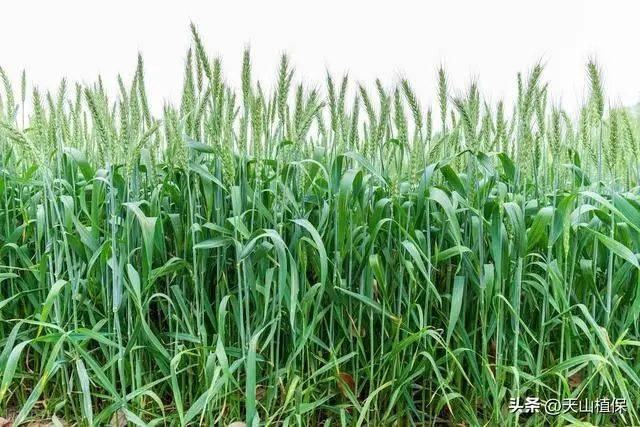
Seed management is key to winter wheat production. In the first place, the selection of locally adapted and resilient winter wheat varieties, such as zimmy 22, green beast 1. The selection of varieties takes into account the combination of local climate, soil and irrigation conditions. Second, appropriate seeding periods should be determined according to local climatic conditions and species characteristics. Premature planting, pre-winter boom, and vulnerability to freezing; late planting, and insufficient pre-winter groups, make it difficult to form seedlings. In general, semi-winter varieties were planted in mid-october and spring varieties in late october and early november。
Sound planting is also an important measure to increase the production of winter wheat. Seeding is determined on the basis of factors such as soil fertility, species characteristics, climatic conditions, etc. In general, semi-winter varieties are sowed 9-12 kg per acre and spring varieties 12-15 kg per acre. At the same time, the number of basic seedlings is to be determined according to the level of power and the output target, and it is generally appropriate to control 15-20 million seedlings per acre. Seeding can be done on a strip or sowing basis to ensure that the seeds are distributed evenly and at depths of between 3 and 5 cm to avoid being too deep or too shallow。
Vi. Harvest and storage
When wheat matures, it must be harvested in time to avoid losses due to weather, etc. The harvest must ensure that wheat is clean and impurity free. Storage should be carried out in a manner that ensures the quality and safety of wheat by means of ventilation, damp control, pest control, etc。
In general, the management elements of winter wheat cover soil management, water management, fertilizer management, pest control, seed management and harvesting and storage. Through scientific management and technology applications, wheat production and quality can be effectively improved, contributing positively to agricultural production and food security. In practice, management measures should be adapted flexibly to local climatic conditions, soil conditions and wheat growth to ensure that the various components of wheat growth are effectively managed and controlled。



