


In the development of modern agriculture, the growing sophistication of vegetable-growing technologies provides important guarantees for improving yields, improving quality and achieving sustainable development. Science-based vegetable farming techniques are critical, both for small-scale family farming and for large agricultural bases. This paper will provide a systematic introduction to the methods and techniques of growing common vegetables and help growers to increase their productivity and profitability。
I. Selection and breeding
The first step in vegetable cultivation is the selection of suitable varieties. The requirements of different vegetables for conditions such as climate, soil, light, etc. Vary and are therefore subject to reasonable selection based on local natural environment and market needs. For example, leafy vegetables such as spinach and lettuce are suitable for growing during the cool season, while tomato and peppers such as tomatoes require warm and wet environments。
Nursery is an important component in increasing survival rates. The growth of the nursery environment can be effectively controlled by the use of greenhouses or den-cubling to reduce the incidence of pests and diseases. Water management, temperature control and appropriate fertilization should be addressed during the nursery process to ensure the healthy growth of the young。
Ii. The landscape and fertilization
Good soil is the basis for healthy vegetable growth. Pre-plantation should be preceded by deep-drying, weed removal and residues, and soil laxation. At the same time, appropriate amounts of organic and fertilizer are applied to meet the nutrient requirements of vegetable growth based on soil tests。
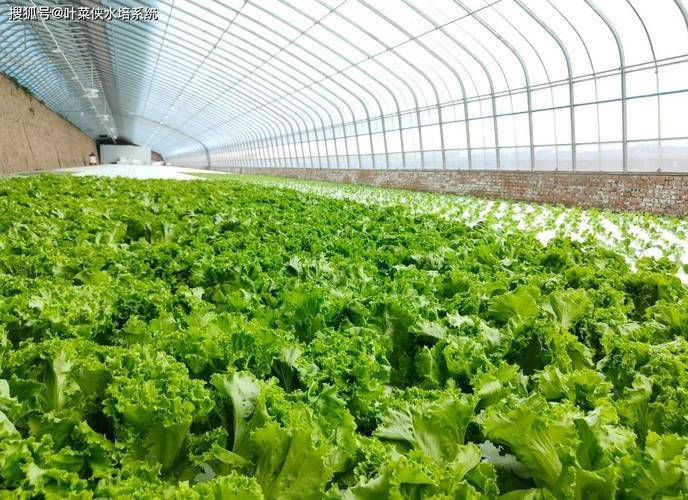
Organic fertilizers, such as manure farmers, composting, etc., not only provide nutrients but also improve soil structures. Chemical fertilizers should be used in a rational mix according to the type of vegetable and the stage of growth, avoiding excessive soil sheeting or environmental pollution。
Iii. Sowing and planting
The manner in which vegetables are planted varies. Live coverage applies to vegetables with shallow roots and short growth cycles, such as radish, cabbage, etc., while transplantation applies to vegetables with long growth cycles that require fine management, such as eggplants, cucumbers, etc。
Plantation should take care of distance and spacing, ensure ventilation and reduce the occurrence of pests and diseases. For hewet crops, water utilization can be increased by drip irrigation or spraying。
Iv. Field management
In vegetable growth, field management is essential. This includes, inter alia, irrigation, weeding, pest control and support。
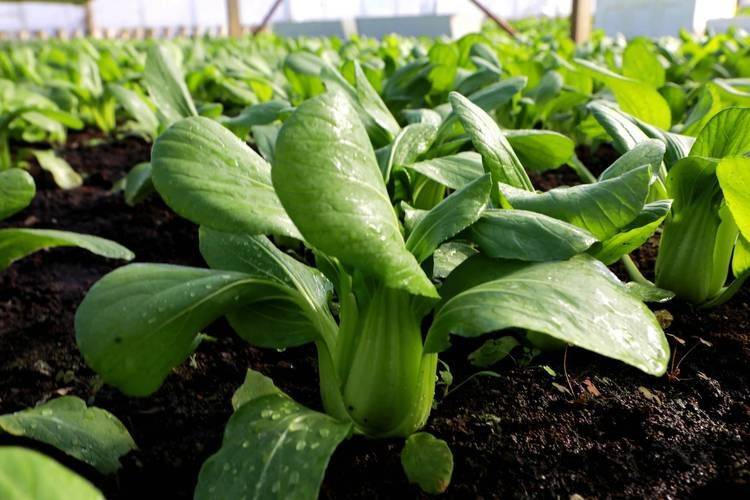
Irrigation should be adapted flexibly to weather conditions and soil moisture to avoid water accumulation or drought. Weed cultivation in china can effectively reduce the competitive nutrients of weeds and promote root system development. Pest and pest control should adhere to the principle of “preventive and integrated management”, giving priority to biological and physical control methods and reducing the use of chemical pesticides。
Collection and storage
Timely harvesting is key to ensuring the quality and production of vegetables. The harvest period for different vegetables varies, for example, when leaves are to be picked when they are fully developed, and when fruit is mature but not ripe。
Cleaning, grading and packaging should be carried out as soon as possible after harvest, and appropriate storage methods should be selected according to market demand. Low-temperature cold storage, gas-replacement storage, etc. Can extend the shelf life of vegetables and improve economic efficiency。
Highlights of common vegetable cultivation
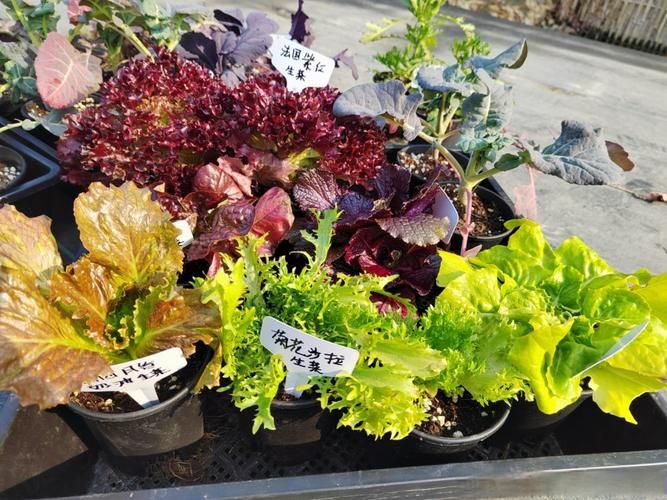
- vegetables, such as spinach, celery and lettuce, with short growth cycles, which require soil humidity and pest control。
- vegetables: tomatoes, peppers, cucumbers, etc., need to be set up to attract chickens and to enhance the management of hydrofertilizers。
- root and root types: carrots, carrots, potatoes, etc., require deep pine fields to prevent root malformations。
- pulses: peas, soybeans, drought-resilient, subject to drainage and flooding。
Concluding remarks
Vegetable cultivation is a more technical agricultural activity, and more efficient farming methods can only be mastered through continuous learning and practice. Scientific management, sound planning and continuous optimization not only improve yields and quality, but also achieve the development goals of ecologically friendly agriculture. It is hoped that this paper will provide practical references for a wide range of growers to support green agricultural development。



