






Cultivation must be based on the technique of the production of guacamole
It is also known as europe's daisies, pickles, pickles, pickles, french scavengers, aquariums, guillotines, wild scavengers, and so on. It is a two-year-old or multi-year-old herbivate plant, most of which is fed by green leaves, leafballs or softened balls。
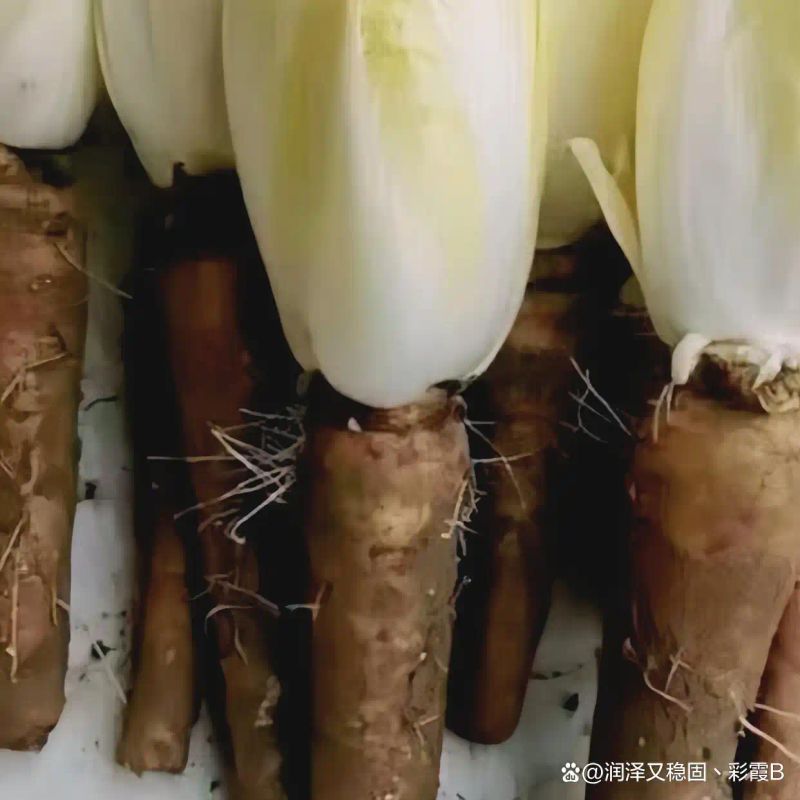
The pyrethroids, which are nutrients accumulated from their meat roots, softly planted sprout balls, milk yellow, 10-15 cm long, the thickest 4-6 cm in the middle, with a single weight of 50-100 g, look like cabbage heart, are rich in nutrients and contain a variety of nutrients, including protein, reduced sugar and potassium, sodium, calcium, magnesium, copper, vitamin c iron, beta-carrotin, zinc, selenium and manganese. In addition, it contains pelvis, wild tungsten, small tungsten, fresh fragrance, bitter taste, and the effect on the liver. The pristine sprouts look white or goose yellow, which are mainly used for raw food and can also be boiled, fried, tasted bitter, fresh, tasted uniquely, nutritional health care and food security. Leaf can be skinned or a whole piece of sauce, or made of fresh salad, which can explode. The plant's young leaves can be cooked。
I. Biological characteristics
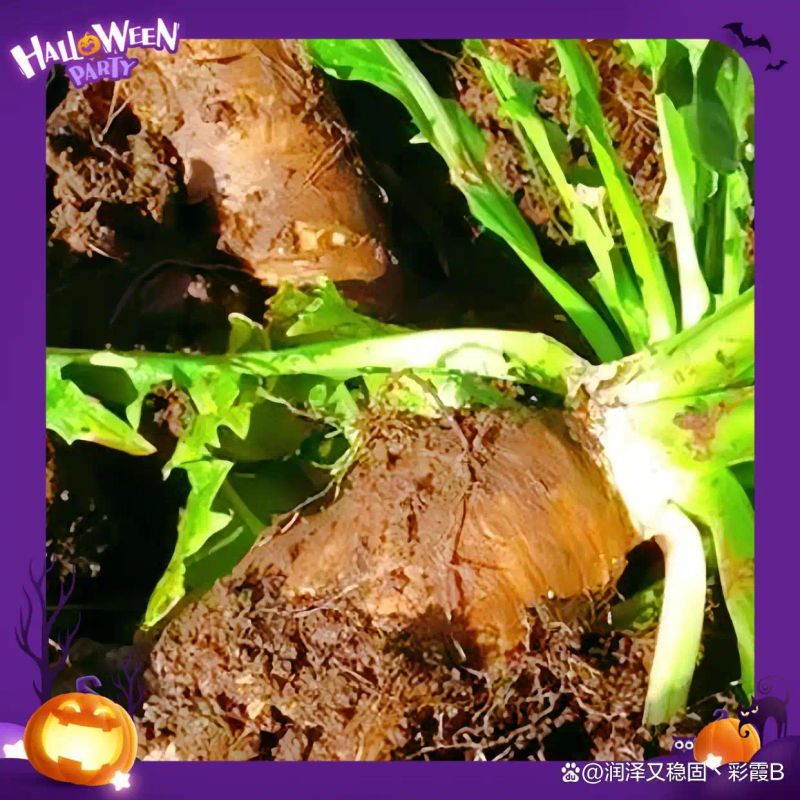
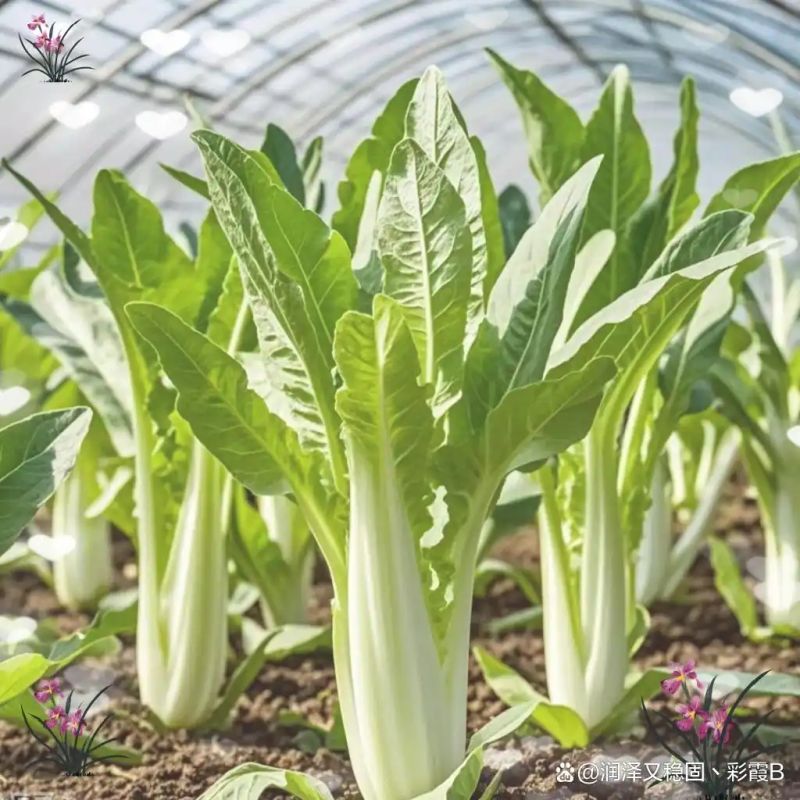
The pyres, which rise through the winter with their roots, are developed, softly grown, and the main roots expand into cones, all of them into the earth, white, smooth and breeching, and are susceptible to discrimination when the roots are damaged. The leaves are born in the trophic growth stage on the troughs, usually with penetrating pins, slabs and leaves, and leaves are green to the depths of green, and some varieties of the base and back-leaf veins are accompanied by purple dizziness and the face of the leaves is covered with hair. The sprouts of the chrysanthemums, with the plumbs, 1. 5 meters high. The branches of the main branch of the leaf, on the side of the armpit, are capable of producing small flowers in each section. Scroll head, cape tongue, blue。
The plumbs are semi-cool-resistant vegetables. Seeds can germinate at 5°c ~ 30°c, sprout at 18°c ~ 20°c, 25°c ~ 30°c for 4 days and 7-8 days for 5°c ~ 15°c. Leaves grow at a temperature of 15°c ~ 19°c, leaves are formed at a temperature of 10°c ~ 15°c and softened at a temperature of 11°c ~ 17°c. The temperature is too low to grow slowly, the temperature is too high, the ball is loose and the quality is declining. The temperature of the seedlings is more widely adapted (12°c ~ 25°c) and if the temperature is above 40°c, the tuber is burned to the ground. At winter temperatures of 3°c ~ 5°c, leaves are still dark green and roots at 2°c ~ 3°c, or at low temperatures of 6-7°c below short-term zero, do not freeze to death. Indoor softer cultivation needs to be shaded and if the light turns green, it produces fibres and affects quality. The pyrethroids are well drained, the earth is deep, they contain organic sandy soil, and field cultivation requires 7. 3 kg of pure ammonia, 4. 7 kg of phosphorus, 16. 6 kg of potassium and a long-term absorption ratio of 2. 1:1:3. 6 for nitrogen, phosphorus and potassium. Long-term lack of ammonia inhibits the fragmentation of leaves, with low levels of phosphorus, low number of leaves, small plants and low yields; and lack of potassium mainly affects the weight of leaves, especially during ball-break periods, leading to a significant reduction in the yield of leaf balls
Ii. Varieties
The pyres have a variety of food, feed and flowers. Vegetables are grown in leaves, leafballs, root varieties and softening ball and nonsoft-spread types. Softening the ball is cold-resistant saplings. They are then softened and given yellow and white leaves to eat. The unsoft-type softened scavenger is half-cool-resistant, red and green, especially in the case of red curry, when the leaves are red wine, and when the leaves are eaten, the heart of the leaves is taken to make the raisins colourful. The softening sprouts, which are a form of milk white or yellow, may also be used in red。
Iii. Cultivation of the pythroids
1. Good drainage, soil laxation and deep sandy soil cultivation. Flat rises, 50 to 60 centimetres and 15 to 20 centimetres high, single or two lines broadcast live. If seedlings are moved, plastic seedlings are used, preplanting is carried out on the leaves of 3 to 4 and, in order to avoid uncooked mossing, fall planting is usually done, properly broadcast early, with long-term long-term growth in the form of a hard-core, large roots, large nutrients and high-quality plume commodities formed by soft cultivation. Early seeding, the number of leaves and leaves, the length of the shrunk, the sprouts of the hoarding, and the impact on the growth of the main sprouts; too late seeding, long-term insufficiency and small in size will reduce the eligibility rate for straight root planting。
2. New seeds are selected for the previous year, broadcast by strip or den, sowing 150 to 250 grams per 667 square metres. Line width 40-50 centimetres, one-line; 65 centimetres wide, two-line. Draw 0. 6 to 1 cm of ditches on the back, spill seeds into the ditches, cover the soil and sow water. Saplings of the pyrethroids range between 40 and 50 centimetres and 20 to 27 centimetres and 6000 to 8,000 seedlings per 667 square metres. Saplings, seedlings and seedlings need to be ploughed. It is high temperatures and rainy seasons during the planting of the chrysanthemum plant in the summer and autumn that allow for continuous watering to reduce the temperature and maintain soil moisture. Until the roots of the flesh expand and water is properly controlled。
The leaves of the saplings shall soon be in the form of a loaf, and shall be followed up with a fattening rate of 667 m2. Fertilizers fatten 150 to 200 kg and then watered once, followed by deep tillage. The water is then controlled and the seedlings are carried out until the flesh is rooted into rapid human expansion. The minimum external temperature is reduced to 2°c and the meat is harvested with a straight root。
4. Select the backs, dry blocks, dig 1 ~1. 2 m wide, 1. 2 ~ 1. 5 m deep, and the earth cellars of the objects and objects, and place in the cellars the whole size of the body, 20 ~30 cm in a layer of 5 ~ 10 cm thick, average 2 ~ 3 floors. Depending on weather changes, there is a gradual increase in soil or a build-up of pedestals. After spring, the seat is gradually removed, the soil cellar temperature is maintained at 0°c ~2°c, the air is relatively wet at 90% and generally stored until april. The storage period shall be such as to ensure that the roots of the meat are not seriously deprived of water, are not decomposition, are not frozen and do not germinate. During the storage period, hoarding is readily removed. In order to extend the supply period for the production of plume plumes, the meat is distributed in a fresh bag and placed in a cardboard box in a freezer at 0°c ~1°c. It may also be harvested and stored in a freezer, where the root temperature is reduced to less than 4°c, and packed into packagings such as knitted bags, plastic bags or baskets, and superstitions in the freezer, the temperature is maintained at 2°c ~2°c and the relative humidity of the air is maintained at 90% ~95%. The storage shall be inspected once a week later and once a month thereafter, and in cases of abnormalities such as decay, dehydration and sprouting shall be treated as appropriate for a period of up to one year。