


> a whole row of chrysanthemum root is immersed in a clear sink, and in a dark environment they sprouts silently, and in more than 20 days they can become a sprout ball on the table。
"this year my daisies are so good-looking, they've just been removed two days ago, full of a basket full of white and tender." the zhang side shows what it's doing, and says it with pride. The plume he referred to was a soft-planted platinum product — a high-grade vegetable with a soft and bitter taste。
¥0. 9
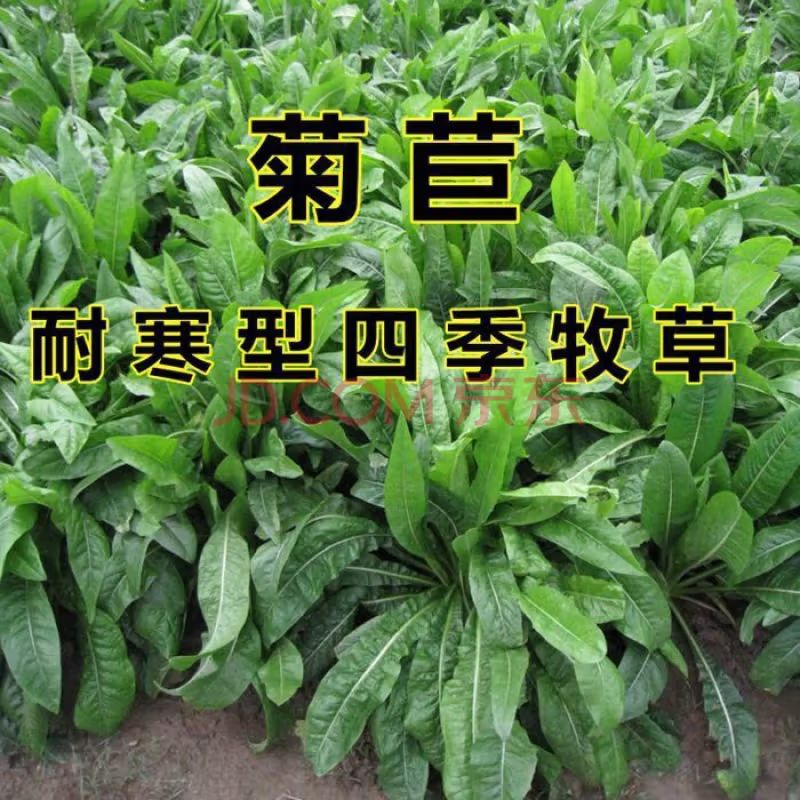
There's a high level of breeding for four seasons of herbs. Production
¥3. 8¥36
833 for the treasure hunt
Purchase
01 know kikuchi
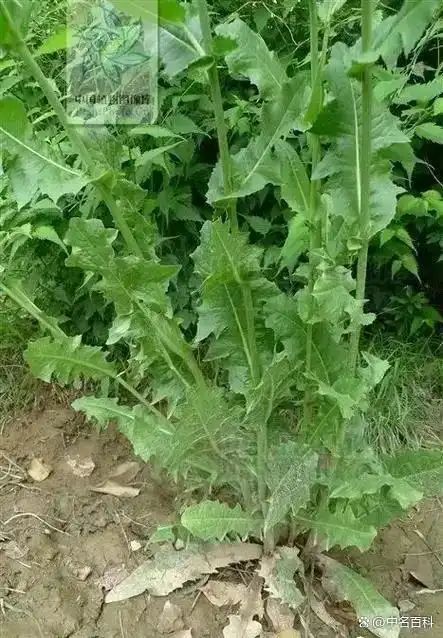
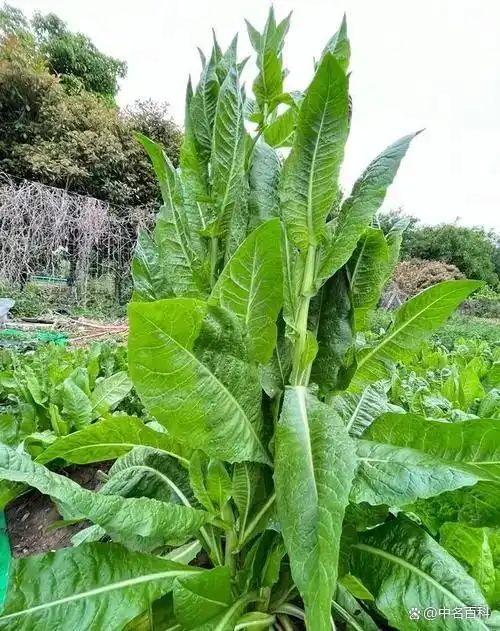
Chrysotile is a multi-year herbivorous plant of pristine origin in the central sea, central asia and north africa and has been growing since ancient rome and greece。
This plant is more adaptable and resistant to acidic soils and can grow successfully in soils with lower ph. Its growing season is concentrated mainly in spring and summer, and when the deep autumn frost is frequent, growth slows down。
The roots of the chrysanthemum are among its most valuable parts, and the roots of the meat are rich in a variety of beneficial ingredients, including the pelvis of the chestnuts, the twigs of the chrysanthemums and the wilds。
02 field management technology
The process of cultivation of kikushi is divided into two main steps: field cultivation and dark light hoarding。
Selecting the right planting time is key to successful field cultivation. For example, in the qinghai region, planting was generally chosen from late april to early may. In northern china, the most suitable period is from late june to early july。
The daisy likes the loose, fertile, well drained soil. The entire site will need to be grounded deep enough to reach more than 35 cm. Before seeding, foot bottom fertilizer should be applied, such as 3,000 kg per acre of manure for mature farmers。
When seeding takes place, it usually takes the form of a den sowing of one or two seeds per den at a depth of about 0. 5 to 1 cm. When seeding, care is taken to keep the soil wet, but not to overwater it so that it does not collapse。
03 soft cultivation
Soft cultivation is a key element in the acquisition of high-quality plumes, the core principle of which is to allow the plumes to sprout in the dark by controlling light and temperature conditions and to form a soft plume。
Depending on the size and conditions of cultivation, soft cultivation is dominated by three methods: earthbreeding, hydrobreeding and radicalization. Each approach has its characteristics and context。
Tupanism is the most traditional method, operating with simplicity and lower cost. This is done by digging tanks on the floors of large sheds or greenhouses, and by placing well-treated pristine root codes inside them, covering the soil and maintaining a dark environment。
Hydraulic techniques are carried out in indoors or greenhouses, where the root is placed in a sink and the water level is controlled at the root level of 1/2 to 1/3 and also requires covering the shade to remain dark. It's a method of producing a sprouts of beauty。
The matrix is in between, covering the root of the pyrethroids with a matrix such as grass-char, and the need to maintain a dark environment。
04 storage of daisies
The storage of chrysanthemum is essential and directly relates to the success or failure of subsequent softening cultivation。
The purpose of the storage is twofold: on the one hand, most of the aryra species take a certain number of cold days to break the hibernation period and develop successfully; on the other hand, the storage can extend the production supply period of the plume ball and facilitate softening in batches。
The storage should be done as soon as possible after the harvest. It is usually chosen to dig for storage ditches, 1. 2 metres wide and about 1 metre deep. Put the chrysanthemum root in the gutter, with a full code and not more than 50 cm。
Storage temperatures should be kept between 0°c and 2°c, with relative humidity above 95%. Under such conditions, the root can last between four and six months。
05 environmental regulation and management
The growth of the daisies requires precision environmental regulation, especially during the softening phase。
Temperature is a key factor in the growth of the daisies. During softening, the temperature should be between 15 and 20 °c. When the temperature is around 18°c, a budding ball can be harvested for about 20 days; if the temperature drops to 10°c to 12°c, it takes 30 to 40 days to harvest。
Water management is equally important. Chrysotiles require adequate moisture over the long term, especially after seeding and in the early stages of softening. However, care must be taken to avoid water accumulation and root decay。
Photocontrol is a feature of soft cultivation. Throughout the softening process, complete photo masks are required, usually covering cultivation areas with black plastic film or other shade materials。
06 harvesting and utilization
The timing of the harvest is important and directly affects the quality and production of products。
For pyrethroids growing in the field, pre-maturized varieties are generally harvested about 60 days after planting and 80 days after mid- and late-literate varieties. It should be harvested in a timely manner when the ball is tight, with early harvests loose, and at the end of the day a bad ball may occur。
The soft plume ball is collected when it is 10 to 15 cm long and weighs about 100 to 150 g in hammer shape. At harvest, the ball is cut off with a knife in the ground。
The chrysanthemum eats in a variety of ways, and the sprouts can be raw, mixed, souped or fried, with a soft taste and a bitter taste. The root of the chrysanthemum can also be used as a substitute for coffee or for the extraction of the chrysanthemum。
In the water papistium of the old king of hebei farmers, in a row of well-structured tanks, the roots of the pyrethon sprout in a dark environment. More than 20 days later, he lifted up a black veil, and the plume of a white plumbing ball came together like a flower to be laid。
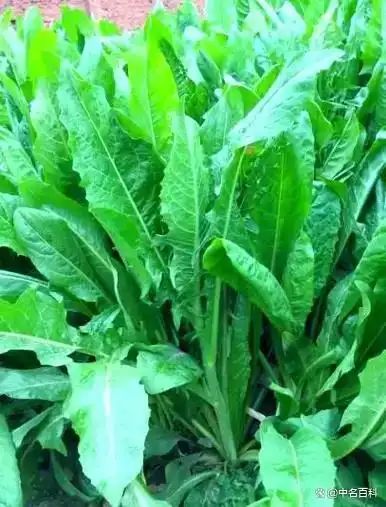
He carefully cut down these soft buds with a knife and packed them and sent them to the city's high-end restaurants and supermarkets. The wang calculated a sum of: this batch of softened aryra produced more than 40 kg per square metre at more than three times the price of ordinary vegetables。
Five
♪ ♪ scrambling the seeds of cold grass ♪
Zoom 55
Kyodong has a 98% rating
Purchase



