


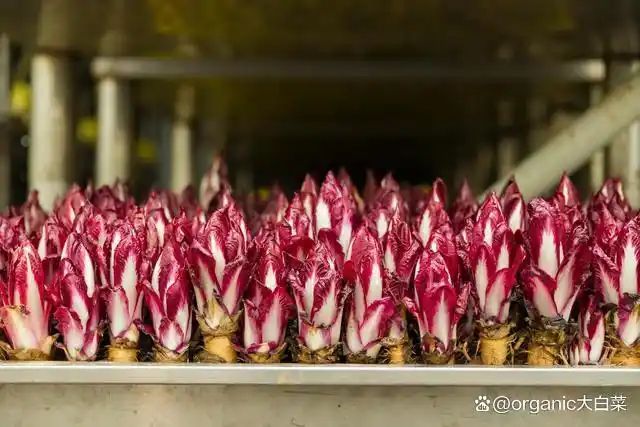
Chrysanthemum is a multi-year herbivorous plant known as chrysanthemum, bitter cabbage, etc., which is fed by sprouts, leaves or roots. Kikuchi, originally from the middle sea, central asia and north africa, is a very popular vegetable for consumers in europe and the united states and japan. It is divided into two types of leaf and root. Leaves, also known as softening daisies and sprouts, are required to soften and harvest the sprouts. The softening plant consists of two stages, namely, the root growing phase and the nutrient root softening phase under the dark conditions of the greenhouse. The process of softening the curry is complex, with a taste of sweetness and brilliance, and gradually becomes a “nobility” in vegetables. The following is a description of the technology for softening the size of the pyrethroids for efficient cultivation。
1 varieties selection
The softening of pyrethroids can be divided into two types of hypothermic storage and insomnia。

2 fields ready
It is chosen to grow deep-seated land on the border or on the sandy land block. Obsolete organic fertilizers are applied to the ground at a rate of ~3 m3/667 m2, with long-acting compound fertilization of 50 kg/667 m2 used as base fertilizers, which are then flattened at depths, with peanut risers building up to a small height of 15 cm。
3 seeding
The north-eastern region planted seeds in late may and late june, in beijing, chengzhou and shandong. The premature planting of seeds, high temperatures and long daylights, and the high susceptibility of plants to siphoning, affect the growth of underground nutrient roots; the late planting, long-term short-lived growth and insufficient time for nutrient expansion affect the yield and quality of plumes. Seed sprouts have an appropriate temperature of about 20 °c, below 8 °c and above 35 °c. Select 3 d of a continuous rainless weather to sow the best, open a shallow ditch of 3 cm on both sides, and broadcast. It's 1-2cm thick, watered in time. The number of species used is approximately 200 g/677 m2。
4 field management
After seeding, 3-4 d seeds are fertilized and soil moist during seedlings; after seeding, 15-20 d seedlings are growing faster, and the 3-4 leafs are reduced to 15-20 cm by the principle of being small and sick. Combining a sapling, dripping urea 15 kg/667 m2. Routine tillage, weeding and the pursuit of compound fertilizer 20-30 kg/667 m2 before sealing. Water management is carried out on the basis of the diffusing wett principle. After seeding, about 90 d of meat root formation should be controlled, with 0. 3% of the leaf sprayed with potassium phosphate solution 1-2 times, promoting nutrient transfer to the root, increasing the content of dry root matter to facilitate storage and softening cultivation。
5 root harvesting and storage
In the northern region, in late october and in early november, the chrysanthemum grew between 100 and 120 d, and when a full body root was formed, the rain-free harvest was selected and the harvest was completed before the frost. At the time of harvest, the whole root of the flesh is dug up with shovels or with mechanical plows, so as not to hurt the root as much as possible and not to leave it in the soil. I'm going to put the larvae in the field with a full tan on 2-3 d, remove the root strain of the gill, remodel the roots, remove the yellow leaves, leave the leaves 3-5 cm handle, and cut the rest. Refurbishment operations do not damage root crown growth sites。
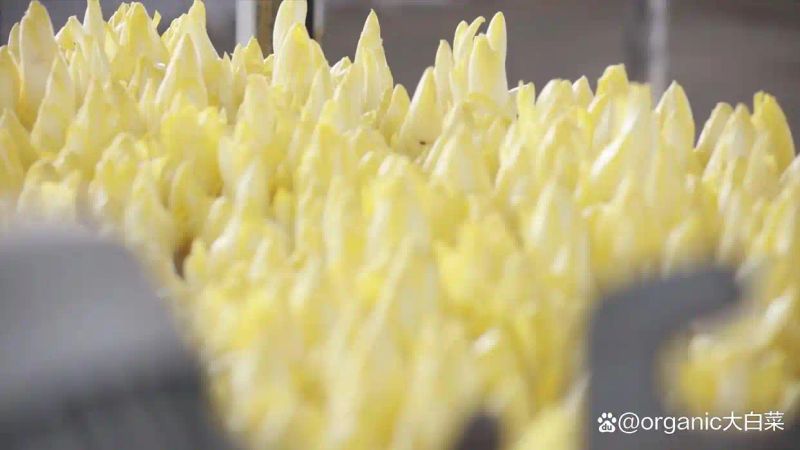
Storage of post-harvest pyrethroids under environmental conditions of 0 ~3 °c and above 95% air humidity to extend the production supply period. The root of the meat can be preserved for four to six months and softened during the conservation period. Refurbishment of the roots and storage should be completed before the frost, and the foundations should be divided into large, medium and small 3-grade stacks. (b) do not freeze the roots of the flesh in order to cause damage to (soft) the parts of the thaw that are damaged during cultivation。
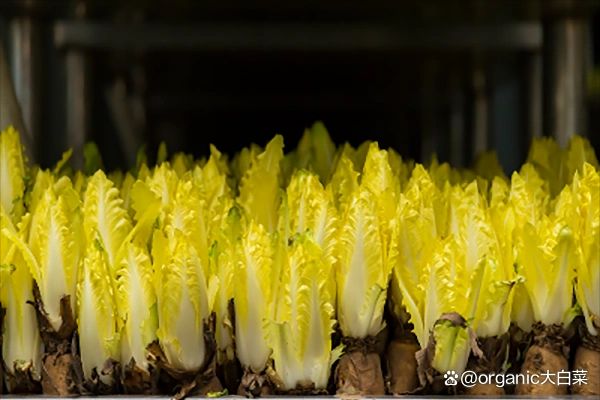
Soft farming
6. 1 tupan law
6. 1. 1 tetanus softbed preparation
Oda production 667 m2 softening daisies requiring soil softening beds 20-25 m2. Plastic sheds, solar greenhouses or vacant premises with a temperature of 8-20 °c are selected, and 30 cm thick piles of beds are made of clean sandy field or coarse river sand, and are to be put to use. For example, a luminous plant can be dug on the ground, with 100 ~ 150 cm wide (approx. To reach the centre of the sink by reaching the edge), 20 ~ 30 cm deep and long, depending on the site, with a hotline at the bottom of the sink, 3 cm thick back-up。
6. 1. 2 meat root plant shizuku
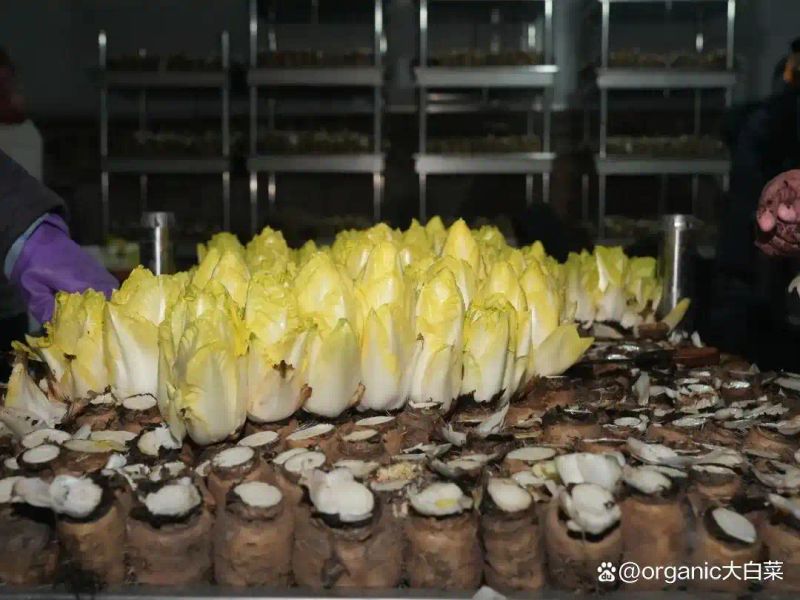
The straight root of the softening of the chrysanthemum requires that the straight root of the flesh be free of the root, 15-20 cm long, 3-5 cm long, about 100 g heavy, 20 cm roots to remove its end. By size, plant the root of the meat in the hoarding bed, align the top root of the meat with a close code with a width greater than 6 cm and a distance of 2~3 cm less than 6 cm. When the size is full, the sand or soil fills the gap, soaks up the water, so that it can see through the water, then the soil is 10-15 cm thick. 20 cm on top of the trough to build arches with black membranes or other shades of light。
6. 1. 3 soft plant management
Temperatures of 12 ~ 15 °c require 30 ~ 40 d for softening of daisies; temperature of 18 ~ 20 °c requires 20 ~ 25 d; and when temperatures are above 20 °c, the daisy sprouts grow fast, but they are loose and of poor quality. General sprouts yield about 25 kg/m2. Used chutes and sand can no longer be used。
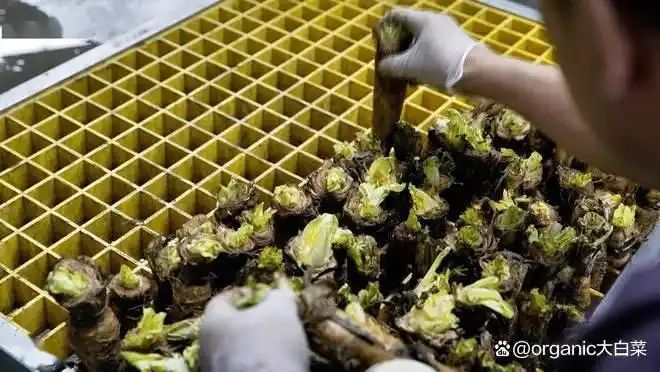
6. 2 hydroponics
6. 2. 1 broken root
Cut off a small fraction of the root point, which promotes the growth of bud balls and their commerciality. It's 15-20 cm long, it's cut off some of the root, it's flat at the end, it's dry and it's back。
6. 2. 2 purge processing
The root of the meat is brushed with a brush to wash the soil and the residual root and sprayed with a high-pressure mist system. The root of the clean meat is placed in the planting cells, placed on the shelf of the soft daisy plant, pushed into the planting room. After cleaning and installing a softening system at the daisy factory, the daisy enters the dark environment for softening cultivation。
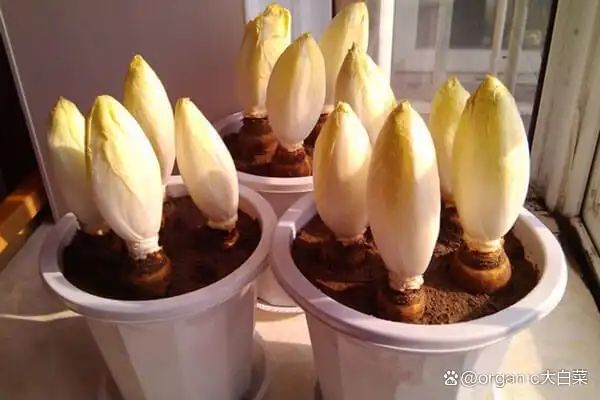
6. 2. 3 soft management
(1) water: water quality needs to meet agricultural irrigation water standards and ec(2) temperature: water temperature 10 ~ 18 °c, temperature 15 ~ 22 °c. If the temperature is above 22 °c, the weight of the sprouts drops with the increase in temperature and the rate of dispersion increases sharply。
(3) light: the whole process of chrysanthemum is dark, with a small natural light and a weak light of 1-2 h causing the greening of bud balls, with a clear greening of the outer leaves and the end of the inner leaves of more than 5 h. Operate quickly and minimize light time in the hoarding rooms。
(4) soluble oxygen in water: trophic fluids are 2 h/ 24 h disinfected and 7 d/spaced for one water exchange. A timer operation with a timer operating at one time every 25-30 centimetres and at two and three centimetres at a time allows the root to seep at the end of the body, ensuring that the oxygen soluble in the water is above 5 mg/l to safeguard the aerobic breathing of the root。
7 harvest
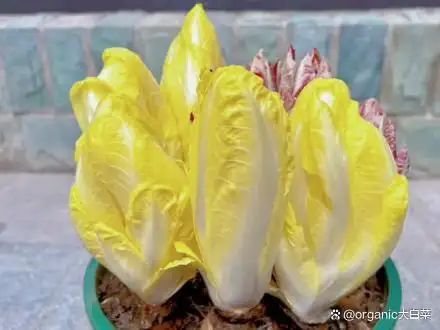
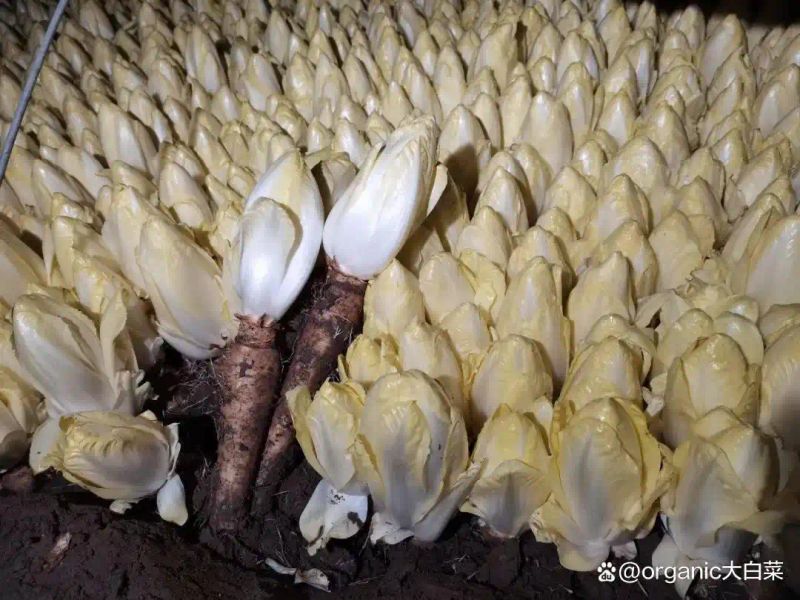
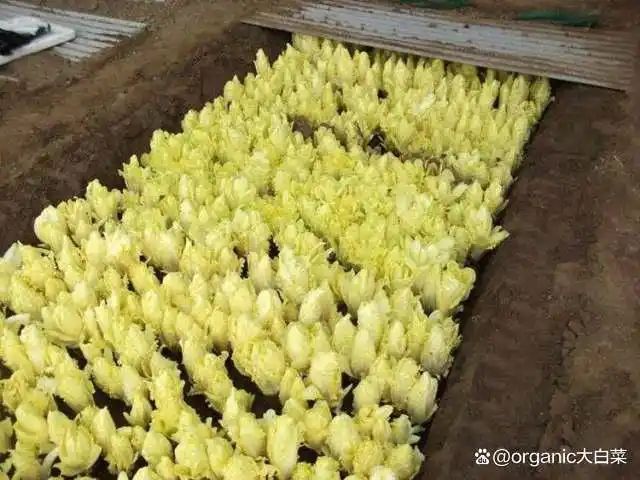
The harvest criteria for pyres are yellow and white, thick and tight, about 15 cm long and 100-300 g heavy on a single tree. At the time of harvest, it is cut from the base of the bud, and the cut edge is the place where the bud ball and the root are combined, depending on the leaf of the bud. The sprout ball after harvest is removed from the laced and broken leaves and is then packaged and placed on the market。
Short-term storage is possible in a shire of °c and above 95% relative humidity. After the plume of the plume, a side bud (longer time) can also be formed around the root of the meat, long and large, each weighing 10-20 g and capable of secondary harvesting. # special vegetables #



