


Orchid growth habits 1, temperature
The broccoli is cold-resistant and adaptable. Low temperatures below 15-20°c and below 5°c inhibit growth and high temperatures above 25°c. From different periods of growth, seeds germinate at temperatures ranging from 20 to 25°c, pre-literated species forming at temperatures ranging from 15 to 18°c, medium-predent species forming at temperatures of around 10°c, and cold-tolerant species with short-term tolerance at temperatures of around 3°c。
2. Light
Under appropriate temperature conditions, adequate light contributes to the growth of growing plants and the accumulation of photocolumn products and to the production and quality of flower balls。
3. Water
Orchids grow well under wet conditions and are not resistant to drought. Relative air moisture is 80-90 per cent and soil moisture 70-80 per cent. The climate is dry, soil moisture is inadequate, and plants are slow to grow, weak, small and loose and of poor quality。
Soil
The broccoli is highly adaptable, as long as the soil is more fertile and fertilized and fertilized properly, and can grow well in different types of soil. The range of adaptations to soil alkalinity is ph5. 5-8. 0 with maximum growth of ph6. 0。
5. Fertilisation:
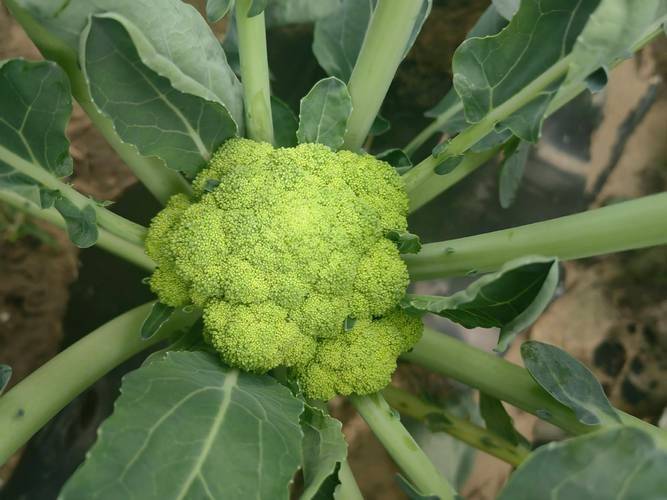
In growth and development, broccoli requires adequate nitrogen, phosphorus and potassium nutrition to promote the growth of foliage and flower balls。
Orchids are grown during seasons and seasons, usually in two seasons, in march and july, respectively. Orchid planting methods and steps
After applying the base fertilizer, deep-drived, then flattened and made the hyena. Seeding
A standard disk of 128 dens has been chosen to load the base materials into the tray and to place them in the nursery bed. The seed is pre-planted with bottom water, with one seed per den and then covered with 0. 5 cm thick matrix material. The spring protected seedlings cover the membrane with warmer and wetting; after the autumn seedlings are soaked, two layers of sunnet are laid to cover the sun and the rain is protected. Nursery 1 and bed preparation. West orchid seedlings are first to be prepared for their beds, which are preferred to be well drained, ventilated and organically rich estranged soils. There is also a requirement for fields that have not grown cross-flower vegetables in the last two years. The nursery beds are organized, disinfected and weededed, and the humidity and temperature are adjusted。
2. Sowing. The seedlings of the broccoli are generally broadcast live in thin mud mixed with dry seeds, so that the seedlings of the broccoli are evenly planted in the prepared bed. The most appropriate planting time is in the morning or in the dark. Following seeding, water is sprayed with a thin nozzle, which allows close contact with the face of the seed and then covers the surface with two to three layers of sunnet to keep the sun warm and wet。
3. Slender bed management。
(1) it takes two to three days for the broccoli to grow from seedling to seedling, during which time attention needs to be paid to regulating temperature and moisture. In the morning, afternoon and evening, three field observation days and field moisture are held。
(2) the greening of the leaves to the basic nutritional period of the broccoli seedlings during the first centrifugal period of the two leaves, during which the growth of the seedlings is easily caused by poor growth and absorption of the roots and excessive temperatures in the nursery beds. During this period, it will be necessary to put up a sun-covered net in time to cover the sun from 8 a. M. To 4 p. M. The rain is followed by timely drainage。
(3) the seedlings enter a fast-growing long-lived period after the two-leaf period, at which the temperature still needs to be high. In order to cultivate seedlings, it is necessary at this time to focus on management to prevent typhoons and storms, preferably the management of soil moisture. Field management, slow-plant management: the main management direction of a slow-plant period is temperature and humidity, which can effectively be managed to facilitate seedling time in the west orchid. We have to build a sunshield at the top of the shed to prevent direct sunlight, to reduce the temperature in the shed and to water twice a day to maintain the humidity in the shed. There's a high probability of slow-growing pests, so to prevent pests from eating. Eating seedlings, affecting growth, can pour a little mire over the soil. Strengthen fertilisation management, promote the growth of seedlings, regularly spray medicine and reduce the incidence of various diseases and pests。
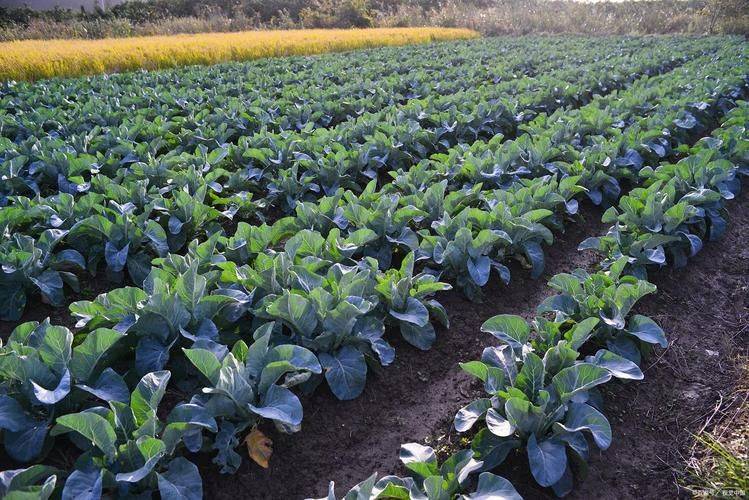
Lotus management: lotus season is a booming period for broccoli, during which the demand for fatty water has risen dramatically. That is why we need to strengthen the application of fat water, promote the growth of the leaves, enhance nutrition and increase the production of broccoli. The number of fat hunts during the lotus period must not be less than twice, and the first one is about half a month after planting, taking care of the amount and distance to prevent injury to plant growth. Then, before the seal, a follow-up of fatness, and when the leaves form in their hearts. The fat hunt should be carried out in conjunction with the weeding exercise, which should be followed to produce soil in time to prevent the loss of water。
3 term end management: the season is an important period for the broccoli, which, if poorly managed, can easily lead to the broccoli being nourished. It is not conducive to the formation of a flower ball to control the application of nitrogen fertilizer during the end of the ball and to prevent excessive nitrogen fattening from causing the orchids to grow. Increase the proportion of trace elements such as phosphorus and boron in fertilizers, with a re-application after successful flower ball formation. Flowing balls often show yellowing and hollowing, affecting the maturity of the broccoli, and therefore the proper fertilization of the leaf is required at the time of formation, approximately once in seven days, lasting three times. Maintenance of moist soil in the field, observation of leaves, timely removal of leaves such as weak and sick leaves, and pest control。
4 harvest period management: regular observation of the formation of broccoli balls before the harvest period is reached. Pay attention to the growth of leaves, and if negative leaves such as those found, be removed in a timely manner. It not only improves field penetration but also reduces morbidity. The promotion of nutrition is concentrated on flower balls. Water management during harvesting is important to ensure sufficient water demand while preventing overwatering, leading to decomposition and various pests and pests。
Collecting takes place at a time when the harvest is premature and premature, and lowers the value of the commodity, to the detriment of the market. Late harvest increases the incidence of disease and infestation, leading to lower yields and unfavourable storage。
Pest and pest control, 1 and root disease: control of 600 times liquid spray spray with artericin 3,000 times or 75% bacterial wettable powder。
2. Sudden disease: 64 per cent of the disease began with the use of 500 times as much as or 53 per cent of the thorium or 600 to 800 times as spray。
3 euphoria: 40% of the seed weight of 0. 3% of the seed is mixed with double powder, and 20% of the methyl phosphorus emulsion is treated with 1000 times the root fluid, or 40% of the quintozene is 2-3 kg/acre, soil disinfection at 40 - 50 kg seeding。
4. Prevention and control of vegetable geishas and moths: pre-period use of 5% sharp-talent 1500 to 2,000 times fluid or 15% of a 3,000 times liquid spray spray, initial application of 2. 5% vegetables 1000 times liquid or bt500 times liquid spray。
5. Prevention of beet night moths and slashed night moths: sprayed at night with 10 per cent of 1,500 times less liquid or 5 per cent less than 1,000 to 1,500 times less liquid。
Frost: prevention of 70 per cent of aluminum manganese zinc 500 times or 60 per cent of venomium 600 times。
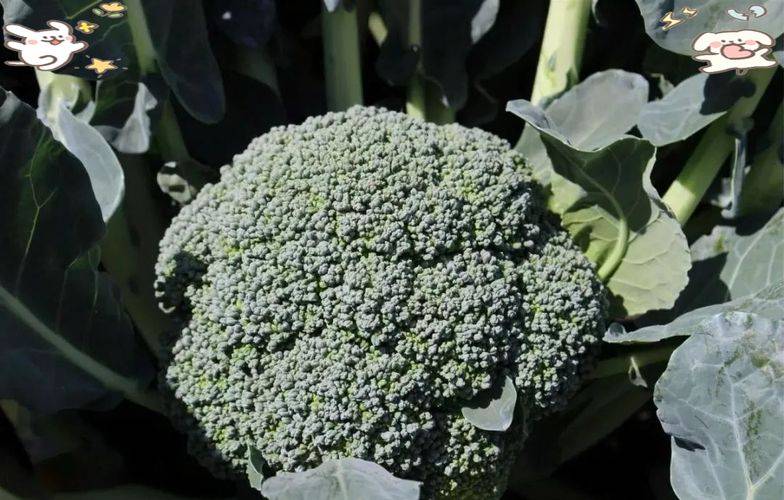
7. Black slugs: 50% of the seed weight of 0. 4% is mixed with bi-wettable powder, with more than 60% sprayed at the beginning of the disease, 600 times more liquid at the end of 9 days, and 1-2 treatments。
Black rota: 200 mg or 77% of agro-chain cythin can kill 500 times as wettable powder。
Black spots: 5% mettobutzim 500 times the fluid or 50% more than 500 times the meth。
A short harvest time for cabbage, which is good when the top of the plant is fully expanding and the bud is not open; late harvests result in scattering and flowering. At harvest, the ball is cut down with a penis of 10 ~ 15 cm. When the top flower ball is harvested, the buds of the plant are sprouted and quickly grow into a side branch of the ball, which can be collected again when the side ball is of a certain size and the bud is not yet open。
Technical aspects of high-yielding broccoli cultivation
1. Weed cultivation in china
2. Timely pursuit of fat
3. Water management
4. Pest management



