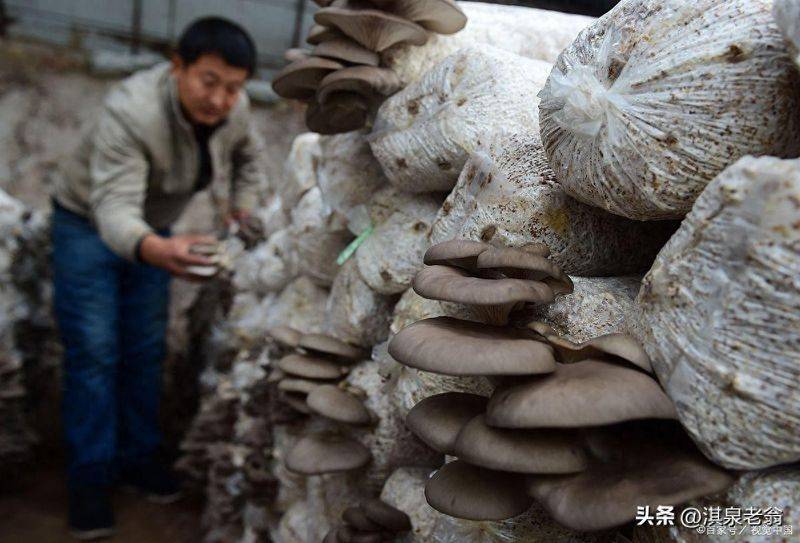
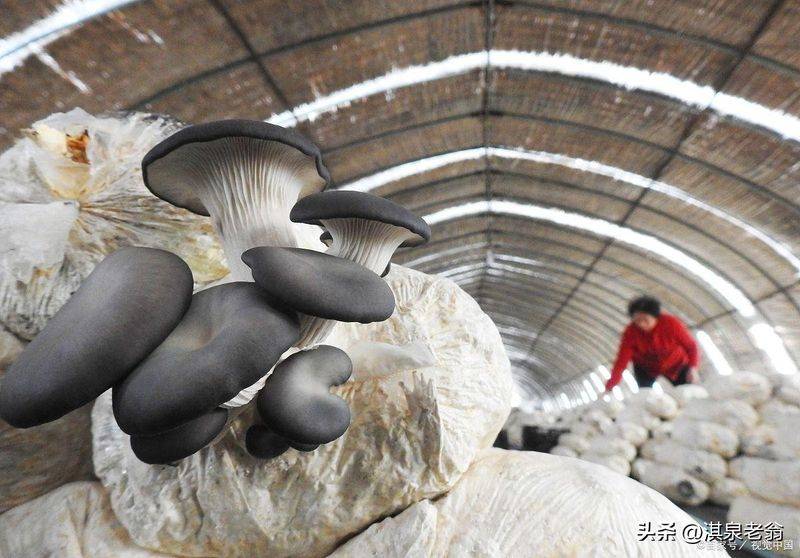
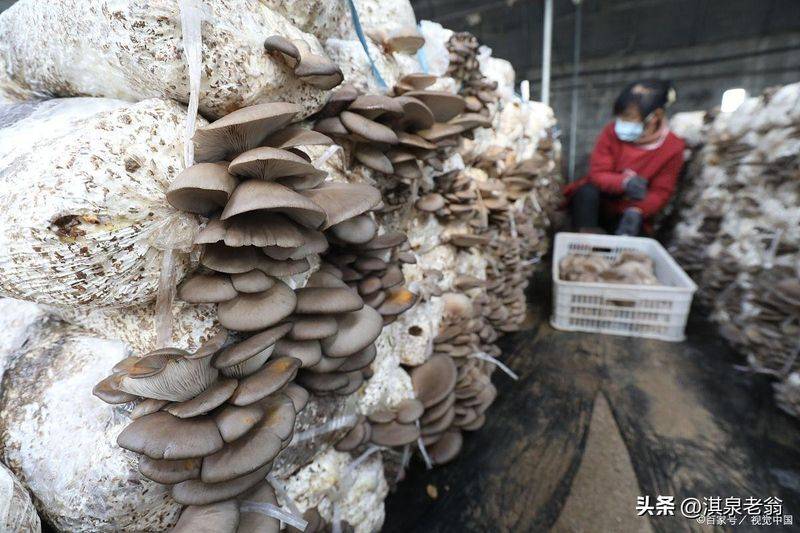
The mushrooms are one of the most widely cultivated and market-accepted food strains in the country, with the advantage of short-lived growth cycles, a wide source of raw materials, low input costs and a stable economy. The summer is part of the anti-season planting window, when the market for mushrooms is low in supply and sold at higher prices, which can effectively fill the gap in the market during the off-season period and significantly increase crop yields. However, the high temperature of the natural environment in the summer, the high humidity, the high-light directness, the rapid growth of fungs and pests pose great challenges to the cultivation of mushrooms, which, when managed out of control, are highly susceptible to the death of fungi, the contamination of sacks of fungus, the high temperature of mushroom buds and the collapse of pests. In order to achieve a steady high production of summer mushrooms, the five cores of “temperature control, ventilation, wetting, anti-fouling, insect control” must be kept close to the five cores, with standardized and refined management measures implemented throughout the entire process. The following are seven aspects: selection of varieties, site facilities, preparation of materials, inoculation, mushroom management, green pest control, and retipation techniques。
I. Optimal high-temperature varieties and a firm productive base
The choice of varieties is a prerequisite for success in summer mushroom cultivation, and the use of conventional medium-temperature, low-temperature varieties is strictly prohibited, otherwise it will not be possible to adapt to the high-temperature conditions of the summer, with no mushrooms or mushroom deformities, or with bulk bags. In production, priority must be given to the use of exclusive, high-temperature, anti-resilient, fast-silent, disease-resistant and wet-resistant mushroom varieties, such as heat level 1, sanctuary 2, sharpane 6, high temperature 88, which can normally produce mushrooms at 30-33 °c, and some of the high-quality varieties still have a rate of over 80 per cent at 32 °c and are fully compatible with summer cultivation requirements。
In the selection of bacterial species, it is important to select a formal supplier of good quality and credit, and to resolutely eliminate poor, old, polluting, and dynamic species. High-quality plantings should have the characteristics of bacterium filament, clean growth, fung-free spots, yellow-water-free seepage, bottled walls and smell of pure mushrooms, pre-vaccinating hypothermia and pre-vaccination, increasing the rate at which the bacteria are planted and resistant to high temperatures, and reducing the risk of contamination from the source。
Ii. Regulating the construction of planting sites and the creation of an appropriate environment for growth
The summer mushroom cultivation sites, which meet the five main requirements of sun-shield cooling, ventilation, drainage, containment and operation, are in no way suitable for summer planting。
There are three commonly used models of efficient cultivation: a sunshield, with roofs covered by double-layered sunshield + thin film, with an outer lumber cover of more than 90 per cent, with ventilators and micro-temperature cooling systems suitable for scale bases; a forest arch, with natural shade cooling of fruit trees and fast-growing forests, with simple archbraems and pest-proof nets that are low-cost, cooling effects and suitable for decentralized cultivation; and a idle factory/cold storage shed, with finely controlled temperatures through wet curtains and wind machines, suitable for high-standard anniversary production。
The site basic retrofit must be “three in place”: first, the sun cover should be put in place to avoid a sharp rise in the temperature of the shed as a result of high-light flashes at noon; secondly, ventilation should be put in place, with both ends of the shed and sides set aside for the vents, so as to eliminate stifling and dead corners; and thirdly, the drainage should be put in place, with stubbles raised and drains dug to prevent rain pouring and baptism. A full-scale 40-60 worm-proof network has been installed to prevent infestation of pests such as mushroom mosquitoes and mushroom flies and to reduce their transmission。
Scientific formulations of culture and strict control of fermentation fermentation quality
In high summer temperatures, culture is highly acidic, hot and fung-breeding, so that the distribution, fermentation and eradication components must be tightly controlled, which is central to the reduction of the pollution rate of the bag。
(i) optimizing formulations to enhance material resistance
The summer culture adheres to the principles of low-carbon nitrogen ratio, defusing air, fresh non-stereogenic, and recommended formulations: 78 per cent corn core, 15 per cent wheat mill, 3 per cent maize powder, 2 per cent lime, 1 per cent calcium perphosphate and 1 per cent plaster. The raw materials must be tan and dry, decomposed, and the amount of lime can be increased to 2-3 per cent as appropriate, the lifting body ph to 8. 0-9. 0 to inhibit the growth of the fungus; the addition of nutrient-rich supplements such as too much sugar and maize powder is strictly prohibited to avoid a rapid increase in the temperature of the materials。
(ii) regulate fermentation and eliminate anaerobic acid
During the summer, the main push is clinker and secondary fermentation, which is not recommended. When the nutrients are conflated with water, the amount of water is kept at 62 - 65 per cent (the hand-strangling finger does not drop), a stack of fermented aerobics is constructed 1. 2 metres wide and 0. 8 metres high, the temperature rises to above 60°c to maintain a 24-hour stacking, two or three consecutive times, and the eggs are completely destroyed, the fungus are weakened, and the material is comprehensible and non-acid. When the fermentation is completed, the cooling is dispersed in a timely manner to avoid prolonged smothering and deterioration。
(iii) total eradication and protection against rectangular pollution
High temperature-resistant polyethylene fungs are selected for bagging, with specifications of 22 x 45 cm suitable, and the material is loose and uniform. It is often extinguished immediately after bagging, with 100 °c lasting 10-12 hours and completely cooled after six hours of suffocation; it is more stable when high-pressure sterilization is used at conditional bases. After sterilization, the bag is moved into a clean cooling room, cooled to below 28°c and re-inoculation against high temperatures, resulting in the inactivity of the species and the planting of the fungi。
Iv. Precise inoculation and protection against the contamination of the fungi
The fungi period is the most difficult to manage in the summer mushrooms, with a high-temperature environment with a high respiratory concentration of myctic silks, a high concentration of heat, a high risk of internal bile, green mold pollution, atrophy of mycelitis, at the core of which is low-temperature fungi, ventilating heat, and light-shining。
Inoculations are “twilightly clean”: the vaccination rooms are fumigated early, the operators wear sterile work clothes, alcohol-sterilized hands and tools, fast-impact holes, rapid vaccinations, fast-sealed mouths, and no fungus contact bags at all. Each bag has a moderate inoculation, ensuring that the fungus cover is fast and that it takes over the surface ecology。
The fungological environment is strictly controlled: ambient temperature is 18-25°c, and the inside of the bag is absolutely no more than 28°c. Once the temperature exceeds 30°c, the ventilation must be enforced immediately. The fungus bag uses a “well font, single layer thinly plattered”, leaving a gap of 3-5 cm dispersed heat between the bags and strictly prohibiting dense stacking; the temperature is patrolled every 2 hours during high temperature periods and local warming is detected to be reversed and dispersed in a timely manner. The fungus avoids light all the time, has a weak ventilation, keeps the air fresh, avoids direct light and cold wind blowing, and then moves to mushroom management when the silk is full of baptism bags and strong。
V. Precision management of mushrooms and balancing of moist gas protection mushrooms mass
When myceloids are packed, they are moved out of the mushroom shed in time for the acupuncture of mushrooms, and at the heart of summer mushroom management is the coordination of temperature control, wetting and ventilation, avoiding problems such as high temperature and humidity, low humidity and inadequate ventilation。
(i) temperature control
The temperature of the mushroom shed is stabilized at 22-28°c, up to 33°c, with sun shades, microjets, wind turbines and cooling during high-temperature periods, and the temperature of the shed strictly forbidden for long periods of time. The relative humidity of the air is maintained at 85 - 90 per cent, with the application of mist, a small number of multiple water recharges, the maintenance of wet and sterile surfaces of mushrooms, the prohibition of large-water spraying, and the prevention of outbreaks of bacterial decay. In the rainy days, water is stopped and the humidity in the shed is reduced。
(ii) ventilation management
Ventilation is the highest priority for mushrooms in the summer, and is preferred to dry and not to damp. In the morning and evening, two to three ventings per day for 30 to 40 minutes each, with intermittent ventilation during high temperature periods to ensure air flow in the shed. Inadequate ventilation can lead to dense thinness of mushrooms, yellow decay of mushrooms and carbon dioxide poisoning; excessive ventilation can lead to atrophy of mushrooms, dry lids and flexibility to control the length and intensity of ventilation。
(iii) accelerants and mushrooms
After three to five days of curing, the fungus is slightly cut open, the dispersive light stimulates the accelerator, and the mushroom accelerators are strictly prohibited from touching and flipping the fungus. The young mushrooms are born with long-term environmental stability, with no sudden cooling, no water outages, no direct light, and are collected in a timely manner as the mushrooms mature, and the bacterial lids are near flat, increasing the match between goods and production。
Vi. Green integrated control to contain outbreaks
In the summer high temperature and humidity is the peak of outbreaks of fungi and pests. Pest control of mushrooms must adhere to the principles of prevention, integrated control, physical priority, biological support, and strict control of chemical agents, and eliminate illegal use during harvest periods。
(i) bacillus control
Common fungus are green, morbid, morbid, and critical to control: first, the whole process of clean production, the site, tools and personnel are completely disinfected; secondly, the temperature and water content are strictly controlled and the acidity of the material is eliminated; and thirdly, the contamination bag is removed in time to be removed and buried deep outside the shed to prevent proliferation。
(ii) disease prevention and control
High incidences of bacterium and morbid diseases during the summer were caused mainly by water accumulation, dampness and poor ventilation. Preventive measures: keep the bacterium bags dry and unwatered, enhance ventilation and wetting, partially sprayed with biobicides in the early stages of the disease, and strictly ban large water sprays。
(iii) pest control
The main pests are mushroom mosquitoes, mushroom flies, mites and vermin, and control measures: the sheds are completely closed and equipped with insecticide-resistant nets, cedars and blueboards are placed on them, and lime is scattered around the site; the use of highly toxic chemical pesticides is strictly prohibited during the mushroom season, priority being given to biopesticides, anti-worm physics facilities and safe consumption of mushrooms。
Vii. Science generation shifts to increase overall production
In the summer, mushrooms grow fast and must be collected in a timely manner, before the baptism is fully spread and the spores are ejected, at a time when the mushrooms are fresh, tasteful and of high commercial value; too late for harvest, the mushrooms age, the fibres are thick and the weight drops; it also accelerates the consumption of nutrients in the bag and affects subsequent trends。
The method of harvesting is to hold the bacterium bag with one hand and to remove the whole base of the glitter with one hand and tore and tore the baptism bag with one hand. Following the first harvest, the bags were cleaned, mushrooms, mushrooms and mushrooms, and water sprayed for 2-3 days was stopped, so that the fungus could recover and accumulate nutrients; the spray, ventilation, dispersing light management was gradually restored to the second and third wave of mushrooms。
The focus of the transition period is on microbicide management, avoiding continuous heavy water spraying, appropriate ventilation and wetting after each wave harvest, restoring the vibrancy of the fungus, normal summer mushroom harvests of 3 to 4 tides, and scientific retortion can significantly increase overall production and planting efficiency。
Concluding remarks
The summer mushroom cultivation is essentially a systematic project to combat high temperatures, manage humidity, ventilated ventilation and insects, without a single shortcut, and is based on a process of precision. As long as high-temperature-resilient species, clean-planting environments, qualified culture, low-temperature safe fungs, co-opt mushrooms, co-opt and control of the six cores of green worms are firmly captured, avoiding the high incidence of fungi, pollution, mushrooms, pests, etc., it will be possible to break the summer planting bottlenecks and achieve steady, high-quality and efficient production against the seasons, effectively increasing the economic benefits of eating bacteria cultivation。