


The wind of winter is swirling with tiny snow grains, shattering across the vast northern land. However, behind this seemingly desolate picture there is room for dynamism. In recent years, with the deepening of the national rural renewal strategy and the growing demand for health and green food, the fruit-planting industry in the rural areas of the north has emerged as a powerful force for farmers to grow wealth. This is not a simple “planting tree”, but a complex industrial chain of technological innovation, market insight and sustainable development, backed by the sweat and wisdom of countless farmers。
I. North fruit tree cultivation: a field poem that combines challenges and opportunities
In the north, long and cold winters, short and hot summers and relatively low rainfalls pose many challenges to fruit tree cultivation. The cold frost is a nightmare that the farmers of the north are not in a state of sleep, and a sudden cold could wipe out a year of hard work. Drought and water scarcity constrain the growth and development of fruit trees and require sophisticated irrigation systems and water conservation techniques. However, opportunities lie behind the challenges. The unique day and night temperature in the northern region facilitates the accumulation of fruit and sugar and gives the fruit a unique taste; vast land resources also provide ample space for fruit tree cultivation. More importantly, the growing demand for high-quality agricultural products and the growing market preference for specialty fruits in the north have provided a powerful impetus to the development of the fruit-planting industry。
Ii. Varieties selection: adapted to local conditions
Not all fruit trees fit the cold weather in the north. The choice of suitable varieties is key to successful cultivation. Over the years, farmers have accumulated a wealth of experience through practice, and some excellent varieties have emerged that adapt to weather conditions in the north。
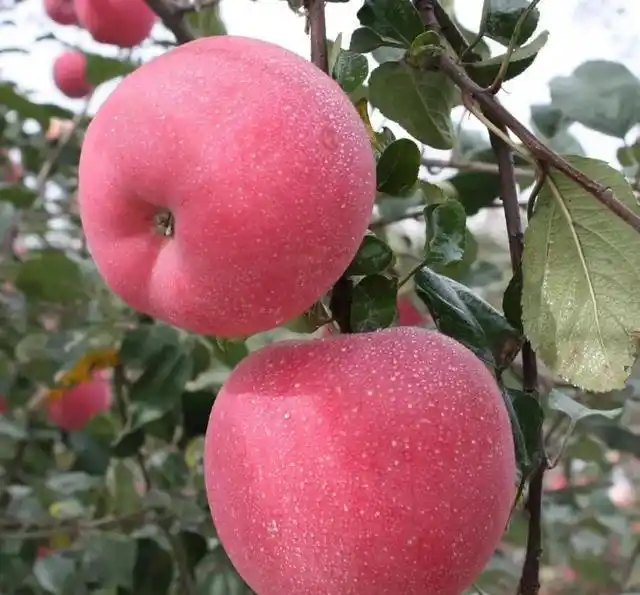
1. Apple: when it comes to the northern fruit tree, apples don't allow. In liaoning, hebei, shandong, etc., apple cultivation has developed a large-scale chemical industry and a large number of high-quality varieties have emerged. For example, very cold-resistant “cold-rich” apples, even at a low temperature of 30 degrees below zero, can reach winters safely; while the “fuch” apples, with their high quality and long shelf life, have won a great deal of consumer approval. However, apple cultivation is not easy, and requires sophisticated management, including sound plastic cutting, scientific fertilization and effective pest control。
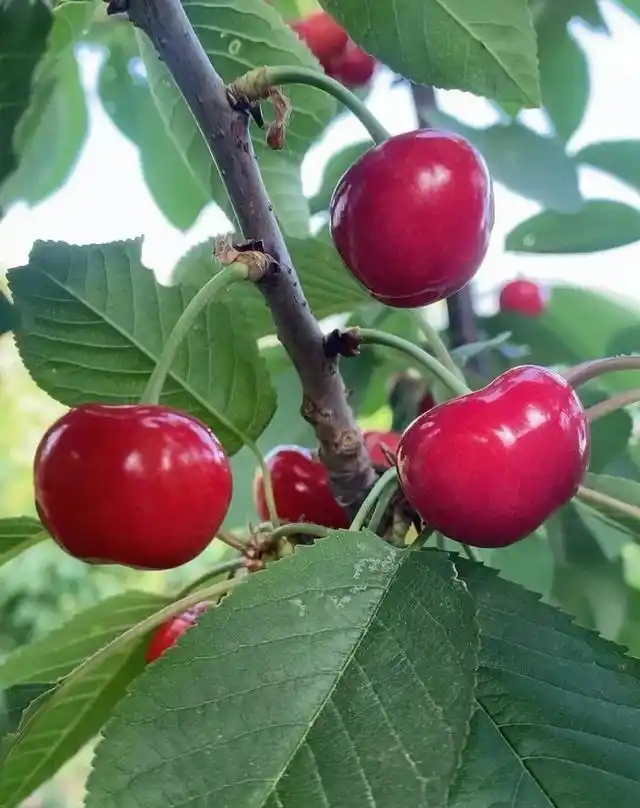
Cherry: cherry has become a fruit tree species of great interest in recent years, with its colour, its sweet taste and its high market value. However, cherry requirements for climatic conditions are stringent and require adequate light and appropriate temperature. In some parts of the north, where climate is relatively mild, such as some mountainous regions, cherry cultivation has yielded significant results. However, cherries are vulnerable to freezing and pests and require effective protective measures。
Peach: peach trees grow with relatively short and fast maturity, which makes them economically efficient. However, the relative cold resistance of peach trees requires the selection of cold-resistant varieties and the adoption of effective anti-frozen measures, such as covering straws and spraying anti-freezing agents. In addition, peach trees are vulnerable to pests and pests and there is a need to strengthen pest control。
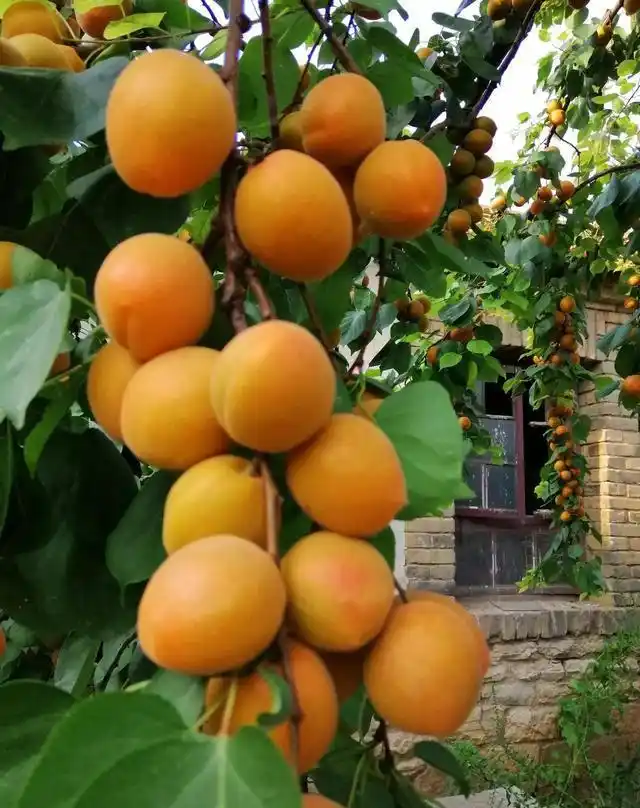
Almonds: almond trees are more drought-resistant and cold-resistant and can grow better in some northern areas where water resources are relatively scarce. The abundance of almonds, high market demand and relatively stable prices have become an important cash crop in rural northern areas. However, the production and quality of almond trees are also affected by climatic conditions and require the selection of good varieties suitable for local climatic conditions。
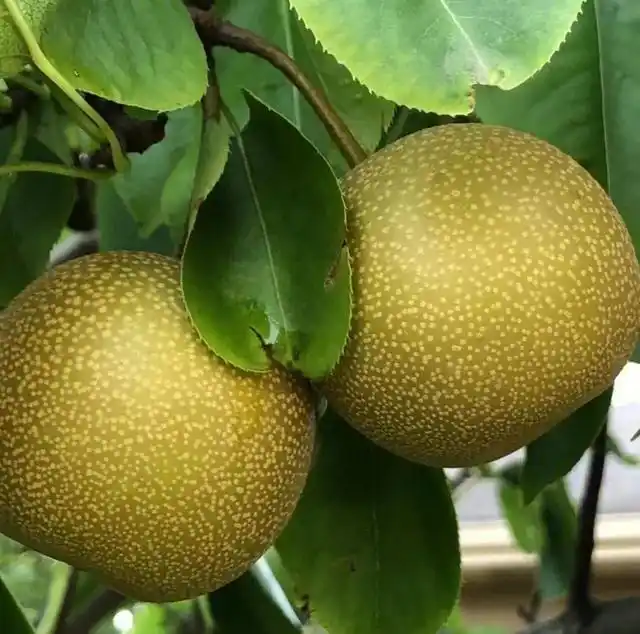
Pear trees are cold-resistant and adaptable, with a long history of planting in the north. However, the requirements for climatic conditions vary slightly from pear tree to pear tree to species that need to be selected according to specific local climatic conditions. For example, “ duck pear” is widely popular among consumers with its cuisine and sweetness characteristics。
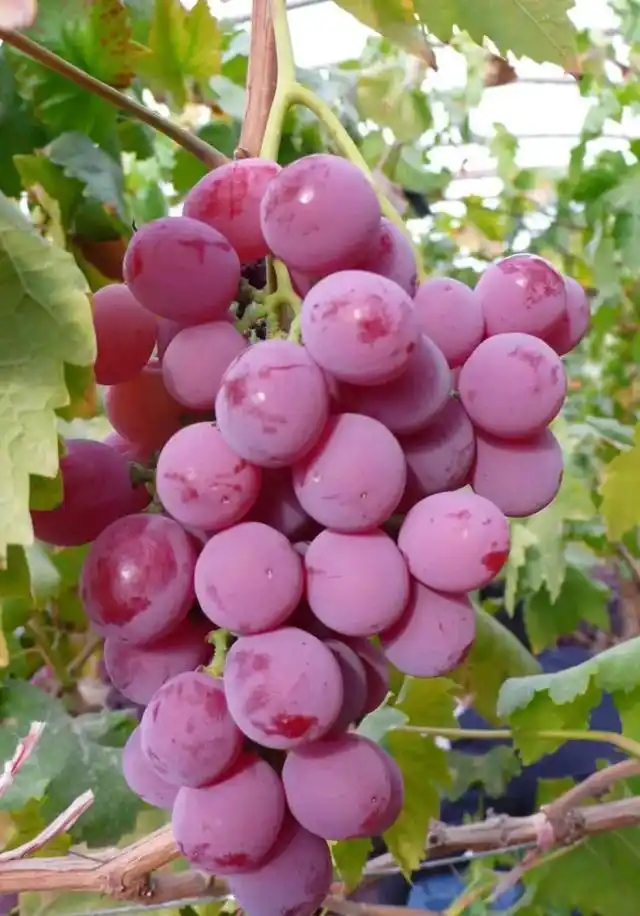
Grapes: grape cultivation requires adequate light and warm climatic conditions. In some relatively warm areas in the north, such as hebei and shashi, grape cultivation has been more successful. The choice of cold-resistant grape varieties and the adoption of sound cultivation management measures are key to improving grape yields and quality。
Iii. Scientific and technological enforcement: enhancement of the results of most agencies
Traditional patterns of fruit tree cultivation are heavily dependent on labour, inefficient and vulnerable to climate change. The application of modern agricultural technologies is gradually changing this situation。
• precision agriculture: real-time monitoring of data on soil moisture, temperature, nutrients, etc., through technologies such as sensors, networking of materials, to achieve precision fertilization, precision irrigation, resource efficiency and reduced production costs。
Intelligent pest prevention and control: early warning and precision control of pests and pests using artificial intelligence techniques to reduce pesticide use and ensure quality safety of fruit products。
Facilities agriculture: the application of agricultural techniques in facilities such as greenhouses, solar chambers, etc. Can effectively regulate the growth environment of fruit trees, prolong the planting cycle and improve yields and quality。
Market expansion: the green road from field to table
The development of the fruit-planting industry requires not only high-quality fruits but also effective market outreach mechanisms。
Branding: improving market competitiveness through branding, adding value to products。
Electro-producer platforms: use of the electric-producer platform to widen distribution channels and improve marketing efficiency。
Agroprocessing: deep processing of fruit products, extended conservation periods and improved economic performance, such as apple juice, peaches, almonds, etc。
The cooperative model: through the cooperative model, resource-sharing, mutual technical assistance, market linkages to improve the overall efficiency of fruit farmers。
V. Concluding remarks: sweet fruit for rural renewal
The development of fruit-planting industries in the rural areas of the north has not only provided farmers with opportunities to grow wealth, but has also injected new life into rural renewal. However, this is not a matter of instantaneousity and requires the joint efforts of government departments, scientific institutions, enterprises and farmers. Only by adhering to science, technology and innovation, market orientation and sustainable development will the fruit-tree industry in the rural north be able to produce more fruitful fruits and a more radiant color for rural renewal. The northern fields of the future will be more dynamic and hopeful as a result of these hard-working tillers。



