


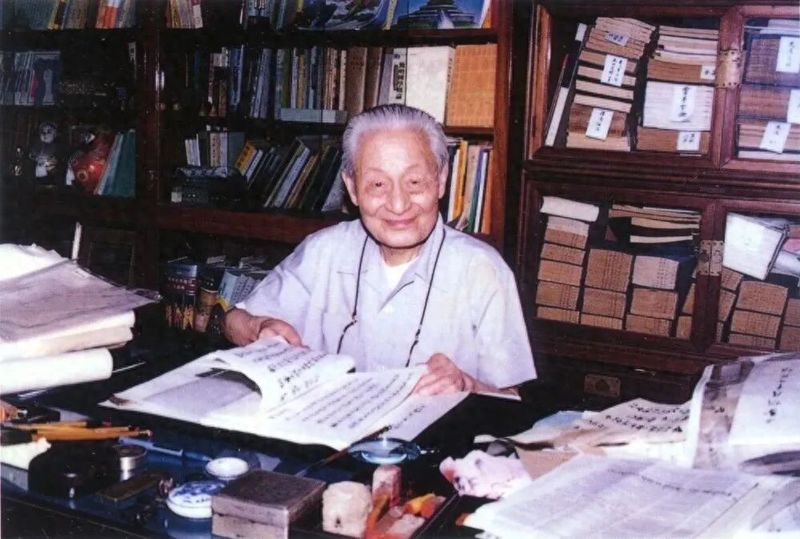
In 2025, a victory medal, issued jointly by the cpc central, state and central military commissions, pulled our eyes back to the flames. The former president of the chinese buddhist association, mr. Zhao park cheuk, was a champion of cultural commitment and hot blood in the face of war. This nation's pursuit has opened a new beginning to our understanding of his cultural contributions throughout his life
Author/yellow year

Mr. Cho park chun (1907-2000) was a prominent religious leader, social activist, calligrapher and poet in china in the twentieth century. Throughout his life, he has been deeply involved in and shaped the face of china's contemporary culture through the practice and thought of his culture, which spans three major periods of history: late dawn, the nation and the new china。
This paper examines systematically the multidimensional contribution of zhao park to contemporary chinese culture: firstly, as the long-term leader of the chinese buddhist association, he promoted the modern transformation of buddhism as an important cultural resource for building social harmony through the promotion of the idea of “buddhist among human beings”; secondly, he was an outstanding cultural protector and heir who was outstanding in the field of preservation of cultural objects, codification of the ancients and international cultural exchanges; and secondly, he created an artistic context in which he was integrated with the spirit of the zhao, with his deep classical literature, and with the spirit of the times; and, throughout his life, he devoted himself to ethical and moral construction, his personality itself became a cultural model。
It should be noted in particular that, on the occasion of the 80th anniversary of the victory, the chinese communist party (cpc), the state council and the central military commission jointly issued a commemorative stamp for it, an official finding of its early patriotic contribution, which further enriched its cultural image. The core of zhao's cultural contribution lies in his wisdom of “round the middle”, which has built bridges between tradition and modernity, between religion and secularism, and between china and the world, providing a valuable spiritual heritage for the self-confidence of contemporary chinese culture to rebuild and innovate。
Zhao park chu, contemporary culture, buddhism, preservation of culture, calligraphy, the contribution of resistance, the middle
Introduction
The construction of contemporary chinese culture is a complex process of constant review, abandonment, transformation and innovation of traditional culture in the midst of a wave of modernization. In this vast picture of history, mr. Park jiu zhao has profoundly influenced the pulse of culture in his deep learning, noble virtues and cross-cutting practices. His cultural life is closely linked to the ultimate change of the twentieth century in china。
In 2025, on the occasion of the 80th anniversary of the chinese people's war against japan and the victory of the world's anti-fascist war, mr. Zhao park cheuk, as a deceased contributor to the war against japan, was honoured by a commemorative medal issued jointly by the chinese communist party central, state council and central military commission. His niece, as a representative of the bereaved family, accepted this high honour, which symbolizes the eternal memory of the nation and its people, in the highest house of the nation, the hall of the people. This noble honour has once again been remembered and affirmed on the occasion of the 80th anniversary of the victory, amply demonstrating that his contribution has spanned different stages of history. This official finding provides us with a broader perspective to revisit the cultural contribution of cho park. He was not only a religious and culturalist, but also a patriot who stood up to the perils of the nation. His cultural ideas and practices are deeply rooted in his warm home country. This paper therefore seeks to present, from a more comprehensive perspective, zhao park's outstanding contribution to national salvation, the revival of buddhist culture, the preservation of national cultural heritage, innovative artistic expressions and the promotion of traditional ethics, with a view to revealing their inspirational significance for the construction of contemporary chinese culture, with its roots and its modern spirit。
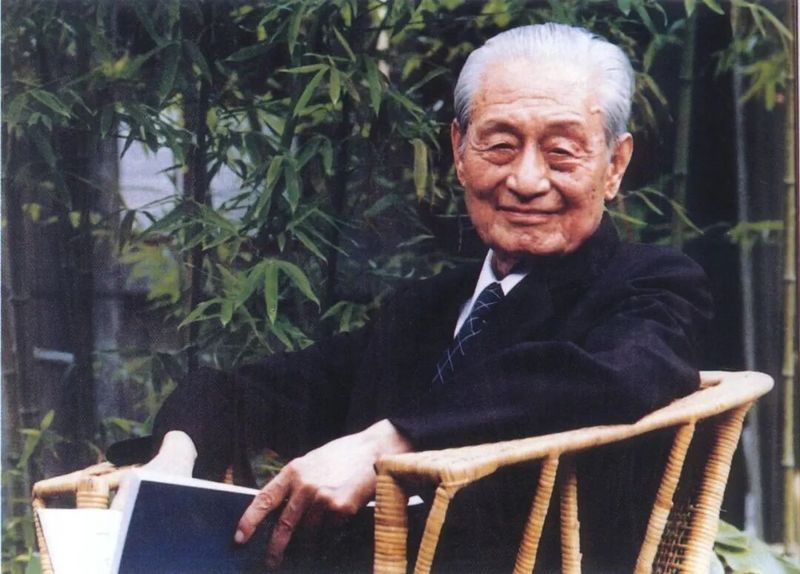
First heart: a culture that fights war and saves its lives as a foundation for patriotism
Mr. Park cheon's cultural contribution was based on a deep sense of patriotism. The rediscovery and official affirmation of his history of resistance are the logical starting point for understanding his life-long career。
Following the full-scale outbreak of the japanese war of shanghai-shanghai surviving practices, young zhao park, in shanghai, the “single island”, was actively involved in the intense rescue campaign. In his capacity as secretary-general of the chinese buddhist church and in close contact with the shanghai philanthropy association (“catholic society”), he was fully engaged in refugee relief efforts. He was involved in hosting and resettling hundreds of thousands of refugees and had set up the ifrc vocational remedial school, which not only provided basic livelihood security but also provided cultural education and vocational skills training for street children and youth, many of whom were later on the anti-japanese front. This period of work demonstrated his excellent organizational coordination capacity and selfless dedication。
2. Cultural unity and spiritual resistance
More than direct relief efforts, park played a unique role in the field of cultural unity. He brings together the cultural and religious communities of shanghai to raise awareness and mobilize against the day and to build a spiritual defence against aggression. His actions have proved that cultural struggle is the second battleground, and that the preservation of cultural blood is the defence of the soul of the nation。
3. Historical contemporary recognition
The “stamp of the struggle against victory” issued jointly by the central communist party, the state council and the central military commission is the highest official confirmation and historical conclusion of mr. Zhao's contribution during this period. The memorial not only recognizes his historical identity as a “former to the war”, but is a deeper link between his early patriotism and his lifelong cultural cause. It eloquently demonstrates that the concept of “patriarchy” later advocated by zhao park jun was not an empty slogan, but rather a result of his physical strength at the time of the nation's survival. This experience of fire has laid a solid moral and emotional foundation for all its future cultural construction。
I know that buddha's rebirth: advocating “buddhistism” and the revival of religious culture
On the basis of a deep family context, zhao park chiu, founder and long-standing president of the chinese buddhist association, led the recent transformation of buddhistism in china。
1. Theoretical foundation: giving contemporary cultural values to buddhism
In the early stages of the reform and opening-up process, zhao park, with his deep thinking, put forward the famous assertion that “buddhistism is culture”. This assertion raises buddhism from a purely beliefal level to a broad cultural system encompassing philosophy, literature, art and ethics. This position, on the one hand, enables buddhism to gain legitimacy and space in mainstream culture, and, on the other hand, leads the public to rediscover the rich heritage of buddhism from a cultural perspective. On this basis, he has systematically explained the meaning of “sectism among human beings”, emphasizing the need for buddhism to be “a solemn land, a leité,” to unite patriotism and make buddhism a positive and constructive sociocultural force。
2. Practical promotion: reconstruction of monasteries, development of monks and cultural development
Theories need to be underpinned by practice. Zhao park is deeply committed to the physical restoration of buddhist culture. He has hosted or promoted the rehabilitation and opening of a number of priority monasteries, making them a complex of religious activities and cultural and artistic displays. He attached particular importance to sinhala education, the creation of educational institutions such as the chinese buddhist institute and the training of a large number of “politically patriotic and religiously constructed” monks. In addition, he led and supported large-scale cultural heritage consolidation efforts, such as the compilation of the great book of china, which laid a solid foundation for the sustainable transmission of buddhist culture。
Triangular preservation: salvage of cultural heritage and promotion of communication between china and abroad
Zhao park xiaochu's cultural vision is much more than within buddhism. He is a “cultural champion” with a strong sense of historical responsibility。
Protection of cultural objects: the cultural mission of the run-in
During the years of war and peace-building, zhao park had spared no effort to protect various cultural heritages. In the early days of the establishment of new china, he called for the preservation of the ancient walls of beijing; he had taken care of the antiquities of his home town, anhui, etc. During a particular period of history, he was in a difficult situation and was still at risk of writing and trying to stop the destruction of monuments and temples. His action was to safeguard the cultural memory and spiritual identity of a people。
2. International cultural exchanges: messengers of culture for peace
Zhao park is an expert in traditional chinese culture and has a world vision. On behalf of the chinese religious and cultural communities, he has visited japan, india and various european and american countries to disseminate chinese culture in poetry and calligraphy. His participation in the launching and organization of the psychiatry and psychiatry tour to the nation was a dramatic cultural event that relives the glorious chapter of the history of chinese cultural exchange and greatly inspires national pride and cultural confidence。
♪ the heart of the ink sea ♪
In the field of art, zhao park chiu has added a strong and dynamic coin to china's contemporary cultural and artistic gallery, with his unique poem。
Calligraphy of zhao zhao zhao: the ink of round accommodation the elephant
The calligraphy of cho park, known as “zhao zheng”, was a peak in the history of chinese calligraphy in the twentieth century. Its book style is “showing, warm and well-structured”, and its most prominent feeling is the beauty of “round”. This “rounding” is the manifestation of his pedagogy and personality, and is the externalization of the ink form in the spirit of “pity, wisdom, middle sense”. His calligraphy is not just a display of skill, but a writing of spirit。
2. Poetry creation: the voice of the times and the voice of philosophy, zhao park nao, is also the voice of the ancient poets of modern times. It has a wide range of topics, ranging from deep-seated efforts to care for the people, to concern for the people of the troubled country, to a great deal of rituals and gifts. His poetic words, his fresh language, his ambitiousness and his natural integration of buddhist wisdom are one example of a successful contemporary transformation in the form of traditional poetry。
A model of ethics in the world: the practice of traditional virtues and the shaping of cultural personality
The cultural contributions of jo park were ultimately anchored in his noble personality and served as a moral model for contemporary society。
Mercy and compassion: the spirit of the common good of the body
He was deeply influenced by buddhist ideology, and zhao park was dedicated to charity and relief throughout his life. He has long led the chinese red cross society and is involved in various disaster relief and poverty alleviation activities at the international and national levels. He sees charity as a practice and makes altruism his own, and his caring heart has injected a deep human dimension into the culture of charity of the public interest in contemporary society。
2. Integrity and integrity: intellectual ethos and integrity
Zhao park, who is high in his position, has always maintained a simple style of life and integrity. He was well-known and well-known, and contributed the bulk of his income and manuscripts to culture, education and philanthropy. In a complex political environment, he has always maintained an independent personality and a clear mind, a conscience and an intellectual。
3. Roundway: modern values of cultural character
Zhao park's cultural character, the most central feature of which is the “round-the-way”. This is not a lack of principles-based lucidity, but is based on profound learning and life experience. He is both fundamental and flexible; he loves tradition and embraces modernity. His personality itself has become a very attractive and inspiring cultural symbol。
Conclusions
Looking back at the life of mr. Zhao park zheng for almost a century, we have seen a cultural giant with his life's strength, a magnificent picture of china's hard-working cultural landscape in the twentieth century. On the occasion of the 80th anniversary of the victory, the chinese communist party (cpc), the state council, and the central military commission issued a medal to fight the victory, not only as a follow-up to their early patriotic contributions, but also as a whole trajectories of their lives. — from the anti-japanese to the master of culture — closely linked together into a unified and shining image of zhao park jun. His contribution is multidimensional and interrelated: to fight national patriotism, to revive religious culture with buddhism among human beings, to safeguard the continuation of the national heritage, to develop the aesthetic world with poetry and art, and to set a moral example as a human being. In conclusion, the culture of zhao park is based on the spirit of “rounding” and “connectivity”. He is connected to patriotism and love, to tradition and modernity and to china and the world. Today, when globalization and modernization are intertwined, the spiritual legacy of mr. Park cheon remains strong and profound, and will continue to inspire our efforts to create a new culture for the chinese nation。
The 80th anniversary of the victory was awarded by the central military committee of the chinese communist party central state council. Chapter
People's daily news
From official information of the chinese government network. The source is the authoritative official report on the issue of the commemorative seal, which serves as the factual basis for the reference to the honour in the paper. Cho park jun (1995). Buddhist-chinese cultural relations. Published in zhao park's preliminary collection. The karma publishing house. This paper is a core document of jo park's own statement of the concept of “buddhistism is culture” and is an important theoretical source of thesis's arguments。
Chinese buddhist association. (1980). Monuments of the return tour of the maestro. Antiquities press. The event, which details the major cultural exchange that was promoted by zhao park, among others, is a key historical material to demonstrate its international cultural contribution。
Chinese calligraphy book of zhao park. This volume contains and evaluates the work of zhao's calligraphy and is an important academic reference for analysing the artistic value of zhao's calligraphy。
Chu chul (2007). People's press. This authoritative initial biographer, zhao park, has a comprehensive record of his life, including experiences of resistance, religious work, cultural exchanges, etc., and provides a rich factual basis for the paper。
Zhao park's book of books. (2021). Beijing teacher training university press. The book selects more than 400 representative works from the book law of zhao park. The study of zhao park's book law has important information reference value。
Liu yah-hing. (2014). Unfinished: zhao park's initial words. Xinhua press. The author has carefully collated mr. Park's praises and correspondence with him, expressing his unfailing thoughts about mr. Cho and his profound understanding of mr. Cho。



