


Dear parents and friends:
To strengthen food safety education, to further raise students ' awareness of food safety and self-protection, to ensure safe meals for teachers and students and to protect the healthy growth of every student. In particular, the school safety cloud service invites you to read the following food safety information, hoping that you will enjoy the good food while reaping your health. Let's focus on food safety together
Food is one of the most important factors affecting the health of children, the good and bad eating habits directly determine the future development and health of the child, the food safety of students has always been a high priority for society as a whole, and food safety has been a top priority for school safety. Let us share the basic common sense of food safety and the importance of purchasing。
1. Sanitation, hand-washing before meals and mouth-washing after meals without hand-catching。
2. Eat carefully and slowly and do not swallow. Focus on eating, don't laugh。
3. Food is not purchased in unlicensed stalls in the streets。
No products of unknown origin or expired foods are purchased。
5. Pumpkin and vegetables must be washed. Leathered fruits and vegetables should be cut to the extent possible。
6. Long-term food selection and preference are unhealthy, often resulting in malnutrition, iron deficiency anaemia, etc。
Three meals a day must be reasonable, diet must be measured and meals must be regular. They don't pick, eat or drink。
8. Over-ingestion of energy and nutrition by greed can lead to obesity and affect human health。
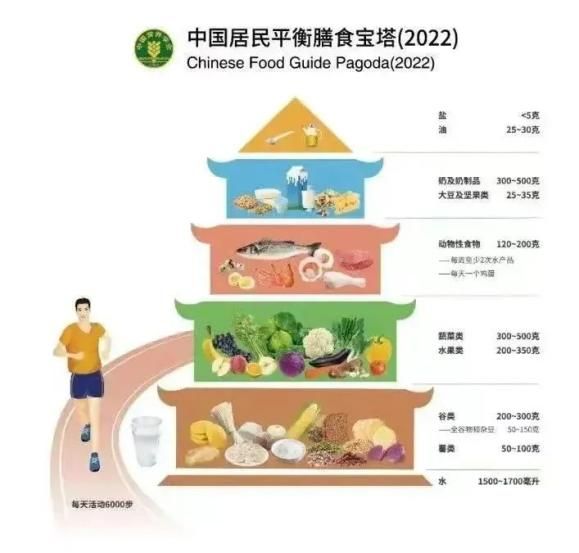
9. The diet needs to be less salted and the risk of high blood pressure is increased by excessive consumption of salted food。
10. Foods that expand, such as chips, snowcakes, are oily, high-heat, low-coarse-fibrous foods that are not regularly consumed。
Cold drinking does not take place, and more cold drinking causes a sudden drop in the temperature in the digestive tract, leading to gastrointestinal disorders and curbing gastric acidization。
12. Food is selective, timely and adequate. It is not a habit to eat snacks before getting close to a normal meal, before sleeping or watching television。
13. Nuts such as peanuts, walnuts and other nuts contain more proteins, vegetable oils, phosphorus, vitamins and minerals such as iron and zinc, which contribute to brain development and memory enhancement and are better snacks。
14. Eat less of fat meat, salt pickled, smoked and fried food。
15. Chocolate is not a nutrient. Chocolate heat is high, but its nutritional value is low, and too much chocolate is prone to gastrointestinal symptoms, affecting appetite and not eating much。
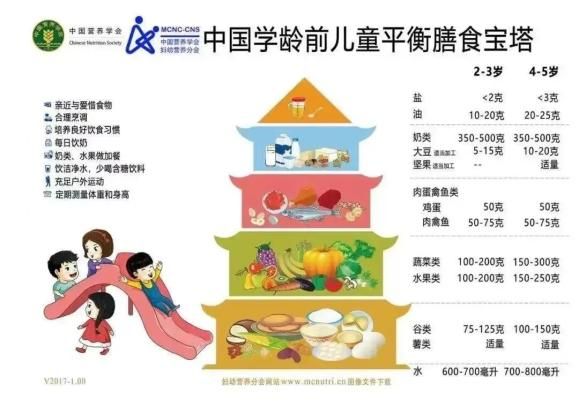
16. Drinking water in appropriate quantities per day is healthy and free water is the best drinking water. Drink more water, less sweet drinks。
17. Students are required to drink small quantities of water many times a day, around 200 ml at a time, and do not wait for thirst。
18. The long-term high consumption of sugared beverages may pose a risk to young people of small size, broken bones, teeth and obesity, rather than treating drinks as white water。
19. The main nutrients required for humans are proteins, lipids, carbohydrates, minerals, vitamins and water. Modern nutrition classifies diet fibre as the seventh largest nutrient。
20. Vegetables are available for human vitamins, minerals, food cellulose, etc., so we need daily vegetables。
I'm aware of the food epidemic
01
Common symptoms of food-borne diseases
Disgusting, vomiting, stomach cramps and diarrhoea. However, the symptoms of different types of food-borne diseases may vary. Symptoms can sometimes be severe and some food-borne diseases may even endanger life。
02
High-risk population
Older persons, pregnant women, young children, persons whose immune system has been weakened by diseases such as diabetes, liver disease, kidney disease, organ transplants or hiv/aids, or who have received chemotherapy or treatment, pregnant women。
03
Symptoms and sources of common food poisoning bacteria
1. Golden fungus: symptoms begin 30 minutes to 8 hours after exposure: nausea, vomiting, stomach convulsions, most of them diarrhoea. Common food sources: processed uncooked foods such as meat chips, pudding, pastries and sandwiches。
2. By-sorting vibrio: symptoms of 2 to 48 hours ' exposure: watery diarrhoea, nausea, stomach cramps, vomiting, fever, cold fever, common food sources: raw or uncooked shellfish, especially oysters。
Aerophagus: symptoms 6 to 24 hours after exposure: diarrhoea, stomach convulsions usually start suddenly and last less than 24 hours. Vomiting and fever are not common。
Salmonella: symptoms six hours to six days after exposure: diarrhoea, fever, stomach cramps, vomiting。
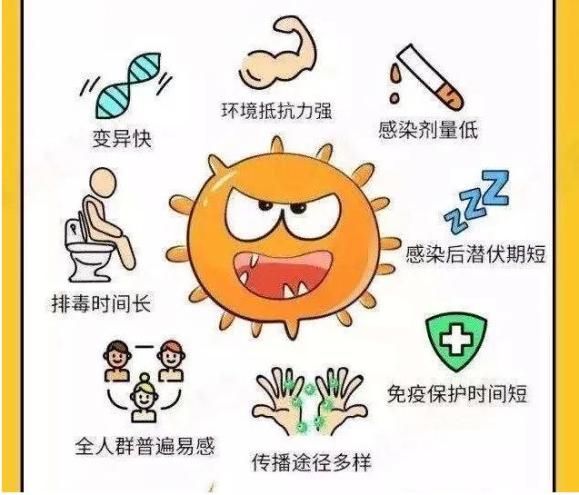
5. The nori virus: symptoms 12 to 48 hours after exposure: diarrhoea, nausea/ stomach pain, vomiting。
6. Botulinum: symptoms begin 18 to 36 hours after exposure: re-vision or blurred vision, low lids, lack of mouth. Inhalation is difficult, dry, muscular incompetence and paralysis, and symptoms begin at the head and decrease as the condition deteriorates。
7. Bacillus: symptoms begin to appear two to five days after exposure: diarrhoea (usually haemophilia), stomach convulsions/ache, fever。
Ringworms: symptoms begin to appear one week after exposure: watery diarrhoea, appetite and weight loss. Stomach / pain, abdominal swelling, gas, nausea and fatigue。
9. Lestatella: symptoms begin to occur one to four weeks after exposure: pregnant women usually experience fever and other similar influenza symptoms, such as fatigue and muscular acidity. Infections during pregnancy can lead to serious neonatal illness or even death. Others (usually older persons): in addition to fever and muscle pain, there are headaches, stiff necks, mental disorders, loss of balance and convulsions。
Food safety guards
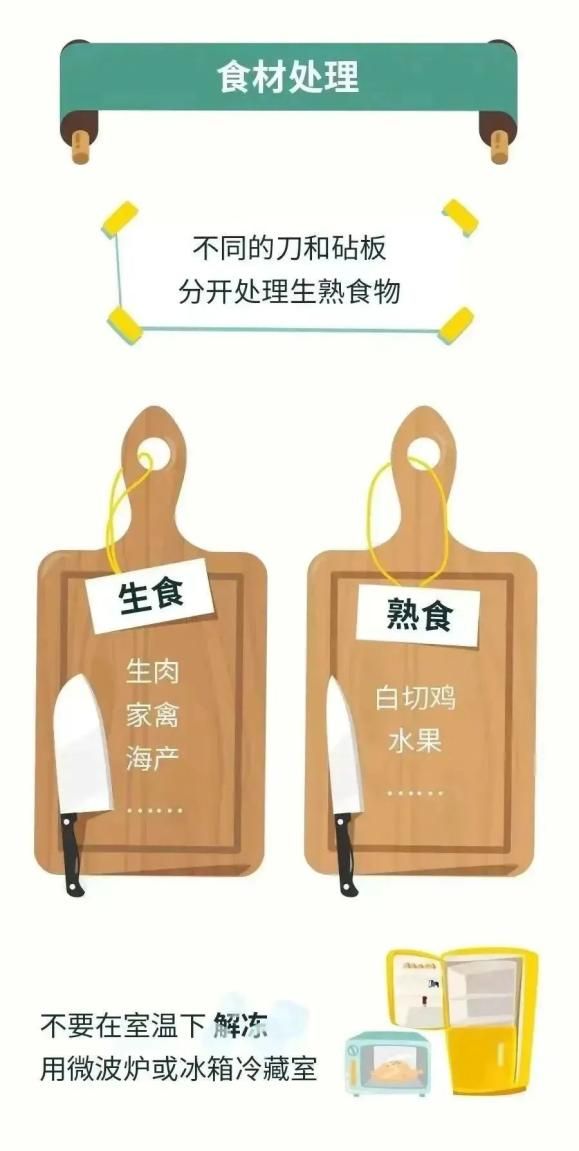
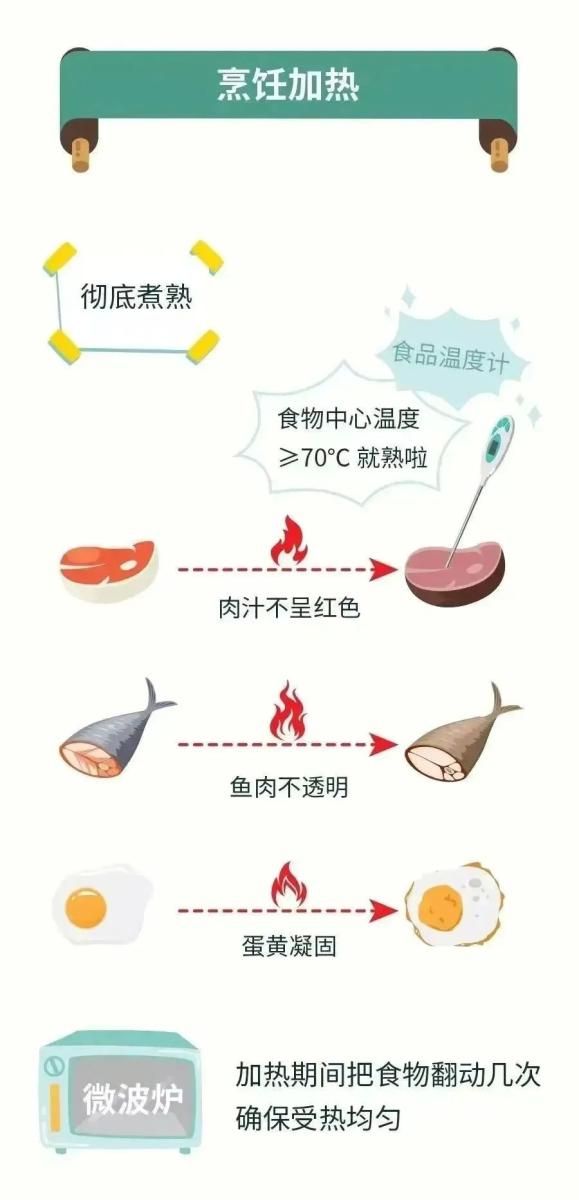
The students ' health and safety of their lives are a matter of millions of families, so let us join hands to firmly establish safety first for the healthy development of our children and to effectively implement food safety education。



