I. Cultivation
Seed treatment:
It usually occurs between spring and dawn. 2 days of sunbathing, boosting chrysanthemum, increasing gestation rates, killing bacteria carried on the seed surface
2. Cultivation:
When the bed is ready, the bottom water is filled and disinfected. Then a thin layer of soil is spilled, the seeds are spread evenly to the seedbed, and a layer of 0. 5 to 1 cm thick ground is covered, and finally the shed is covered with wetting and warming。
3. Sapbed management:
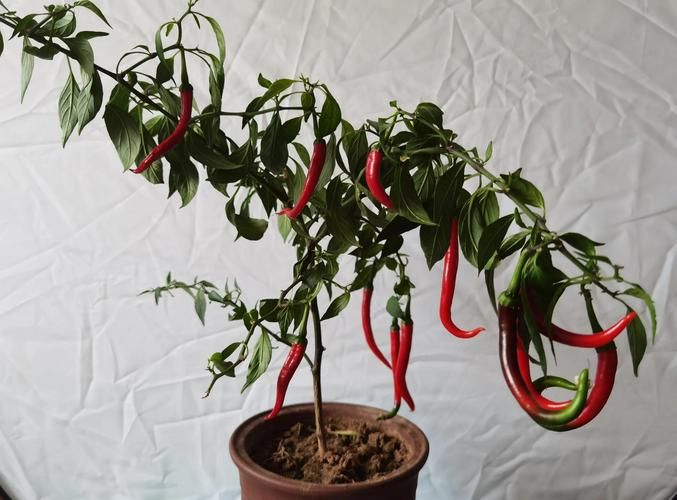
After planting, temperatures range from 25 to 28 degrees in the daytime and around 20 degrees in the ground. Six to seven days to grow. After 70 per cent of the small seedlings, they are expected to spray 0. 5 cm thick into their beds while the leaves are empty. It's a suture to protect the seedlings from spilling. The seedbeds need to be supplied with sufficient water, but cannot overwet the soil. Hot peppers are ventilated to the nursery bed at a height of 5 cm, and vents are flexible in accordance with the size of the seedling and the temperature of the weather, with open seedlings 10 days before planting. Refinery must be gradual and must not be put in place。
Ii. The whole area
The long-lived and weak roots of peppers require good soil conditions and nutritional conditions in order for them to continue to bloom, and the ground to be 10-15 cm deep before planting. Acre fertilization of 5000 kg, which is combined with calcium phosphate 15-20kg, short irrigation, short drains and ditches, which are connected and leave the fields free from water after the rain。
Iii. Planting
It's timed to take root. Early seedlings are the main principle in managing planting periods and post-plant management。
The peppers are planted in ditches or flats, they are grown in shallow ground, they are later built to cover the ground, and then they are grown only by drought. The seedlings damage the root system, so it takes little or no seedlings to manage the pepper season。
Iv. Intensive planting
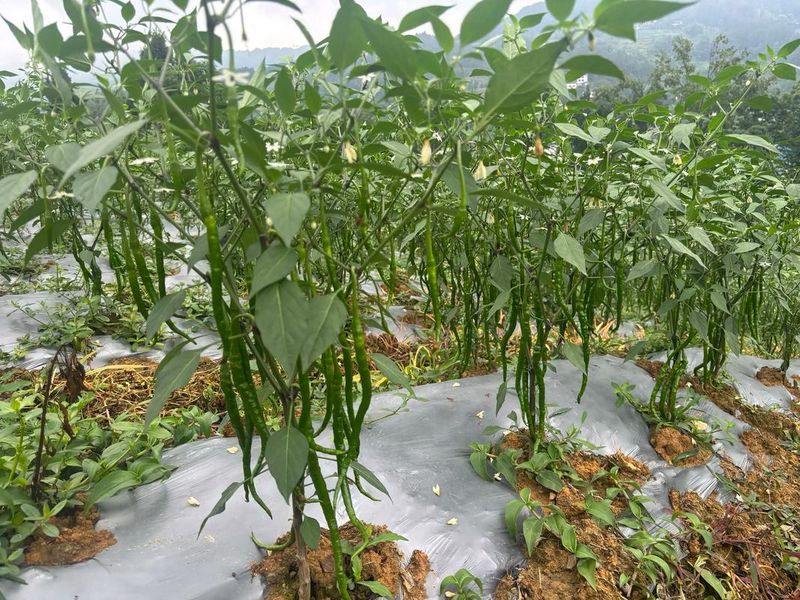
Hot pepper strains are compact and fit for secret planting. The experiment proved that paprika had a high potential for increased production, particularly through the autumn period. Properly sequestered is conducive to early closure, which is facilitated by the presence of shades on the surface, the low temperature of the soil and the low humidity of the border, and by the fact that heavy rains do not lead to tan。
The average production density of green peppers is 3,000 to 4,000 dens (twice) per acre, 50 to 60 cm and 25 to 30 cm. There is a general increase in the use of double or three dens. High yields can be obtained through the establishment of large monocultures, the same size and size, and large-scale double-cropping。
Management
Hot peppers are hot, watery, fat, but hot and easily ill, water can die, and fat and hot. There are different regulatory requirements for different stages of the whole reproductive period, with rooting and pre-planting; pre-harvesting and pre-harvesting; pre-harvesting and pre-harvesting; protection from decay and death after high-temperature season; and increased management and productivity at a later stage。
1. Pre-harvest management
This period is a period of low temperatures and weak roots and should be significantly reduced. These are: light watering, early pursuit of fattening; hard-working farming, small-crawling; light watering, which can be combined with a small amount of faeces, which can be ploughed in a timely manner, warm and secure, and promote rooting, which should not be too long, for about 10 days, can be ploughed down to regulate the relationship。
Upon completion of the scavenger, water, fattening, early production, nitrogen-based fertilizer, combined with some potassium phosphorus fatting, a strong tree to prevent the falling of flowers and the timely removal of the side branches from the main tub under the first flower。
Management from the beginning to the fruits
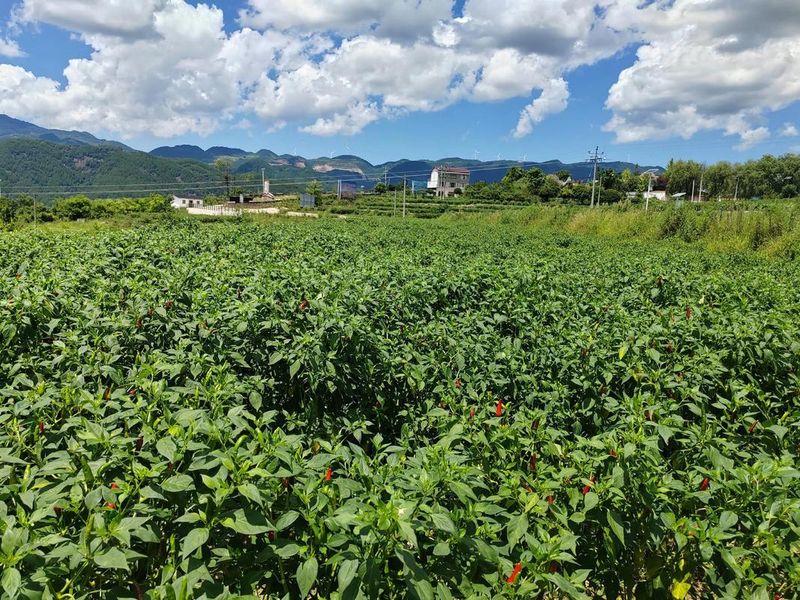
The gradual increase in temperature, the increase in rainfall and the succession of pests and diseases at this stage are critical periods in determining the high and low yields. In order to prevent premature decay, beaks should be collected early, water should be poured in a timely manner, soil moisture should be maintained on a regular basis, and the fruits should be promoted with a view to sealing off during the hot season. It shall enter the period of fruit, before the seal shall be sealed, and it shall be followed up with it。
3. Management of the hot season and beyond
The high-temperature rainy season is prone to viral disease, with severe flowers and sometimes large leaves falling. Thus, high-temperature dry years must be filled with dry periods rather than at the early end, keeping the soil wet and inhibiting the occurrence and development of viral diseases. After the rain, a small amount of fertilizer protection is applied, and timely irrigation is also required to prevent the peak of viral disease caused by drought after the rainy season. The hot season should be irrigated early and late。
4. Management of the later abbreviations
Following the high-temperature rainy season, the cooling of temperatures and the return to normal growth of the pepper plant must be managed in a way that promotes the emergence of the second outcome, increases later production and should be watered in a timely manner, and complements soil undernutrition by combining water with the application of quick-impact fertilizers。