


It is one of the most common traditional chinese medicines in the country. It is a herbal plant that has been bred for many years with its chrysanthemum, which is used for dry rooting, aerobic pain and spleen digestion, and is often used for breast pain, diarrhea, dysentery, accumulation and diet. It is not only a medicine for pain, heat and stomach insides, but also a cure for poisons, which are used outside the years of fitness and are important ingredients for medium medicine, or one of the raw materials for the spice industry. The market uses a great deal, has great potential for production and has good prospects for cultivation. In addition to growing in the high cold mountains, wood aroma is more adaptable and can be grown in the cool plains and hills. It can also be grown on the slopes of the mountains, not only without competing with food, but also of good quality and oily quality, which are the main cash crops grown in the mountains. The following is a detailed description of the technical aspects of the cultivation of wood in the mountains。
I. Growing habits of wood
It requires cold, wet weather conditions that are cold, fertilized, hot and slow to grow during the rainy season and can be cultivated in most parts of the country。
Seeds are easy to grow, seedlings are afraid of strong light, flowers are sprouted two years after planting, usually in the third year, and if planting conditions are good, in the second year for seed retention。
Ii. Mountain farming techniques for woody aroma
1. Landing, topography

It would be desirable to choose the deep, fertile sandy sandy edges of the soil, which is well drained and preserved. It is less demanding, but it has been repeated that the yunnan production area fell five times before december, at about 35 centimetres deep, then one more time in february or march of the following year, and applied bottom fat, usually 2500-5000 kg of fertilized school fat per acre, then flattened ... Drenched, and made 1-1. 12 metres wide, so as to manage the drainage. The chinese sitting area is more flat, and if the former fields are shallow, it is not suitable for deep tillage, so that the soil is not turned over to affect the growth of wood。
2. Reproduction techniques
Seed reproduction is usually used, i. E., live in spring or autumn. Soil humid areas tend to sow before and after spring, and arid areas sow before the rainy season. The selected seeds are immersed 24 hours from 30 °c warm water to dry and then soaked, and if the soil is dry and unirrigated, seeds are not suitable for treatment. Autumn was broadcast in early september without immersion, with direct seeding at a 50-centimetre distance, with a slightly suppressed soil of between 3 and 5 centimetres per acre. On-demand, 15 centimetres from the cave, with 3-5 grains per den, and slightly suppressed after 3-5 centimetres of ground, with 0. 5-1 kg of seed per acre。
3. Field management
The seedlings are designed to keep an eye on the seedlings and sow their grass in a timely manner; the shallow pine fields, which grow fast in the third year, are to be cultivated in depth. The application of nitrogen fertilizers in the pre-growth period and the subsequent application of phosphate fertilizers in the later stages of growth contribute to the coarse growth of the roots, combining 50-100 kg per acre of corrosive corrosive corrosive fat, 1,000-1500 kg of farm fattening, in areas where there is less rain, in a timely manner irrigated and grown after two years, cutting out of the dead leaves at the end of the autumn and combining the application of fertilizing soil seedlings to increase root production. In order to promote root growth, all the flowers without seed should be removed。
4. Pest management
(l) root causes
It usually starts in may and is partly aching to the ground for the root cause. In general, high temperatures and heavy rainfall are associated with poor drainage. (a) method of prevention: selection of low-lying and well-drained plots of groundwater; (b) mechanical damage to the root of field management. The strain is eliminated in a timely manner and seedlings are not used; and 50 per cent of tobuzin's fluids or 50 per cent of the polybacterium are sprayed with roots。
(2) pests
Mostly aphids, silver moths, grasshoppers. (b) method of prevention: aphids use 40 per cent of lactation 1,500 times the amount of lactation every 7 days; silver moths use 90 per cent trichlorfon 800 times the fluid; grasshoppers use more than 800 times the sperm of 7. 5 per cent fish and vine every 7 days, 3-4 times。
Iii. Processing of caramel
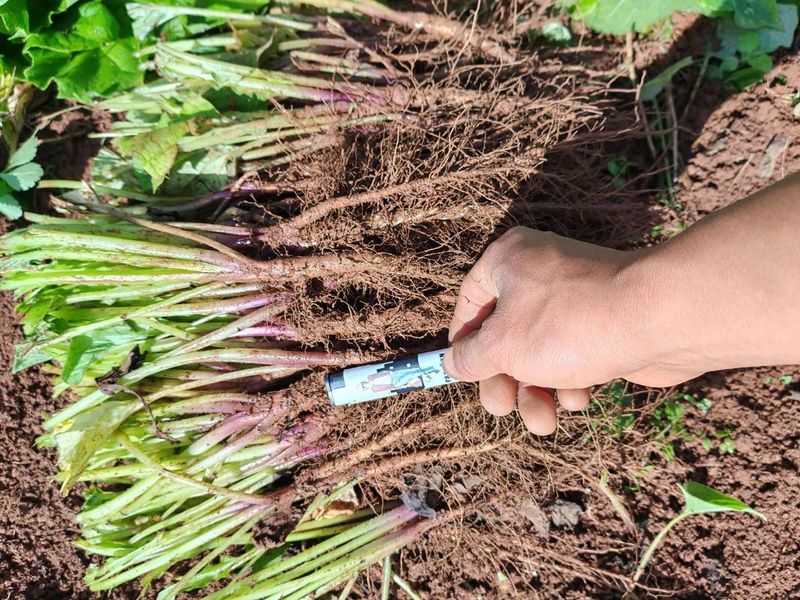
3 years after general broadcast and 2 years if plant management is well managed, often leaves from september to october after yellow, cut off the straw and dig it, dig it up and lay it dry, clear the leaves of the tub, shake off the soil, cut off the 8-12 cm section, dry up the tan and hit the mustache inside the bag. Roots and furs are good for those who are strong, smelly and oily。
Iv. The technology for the removal of ghose
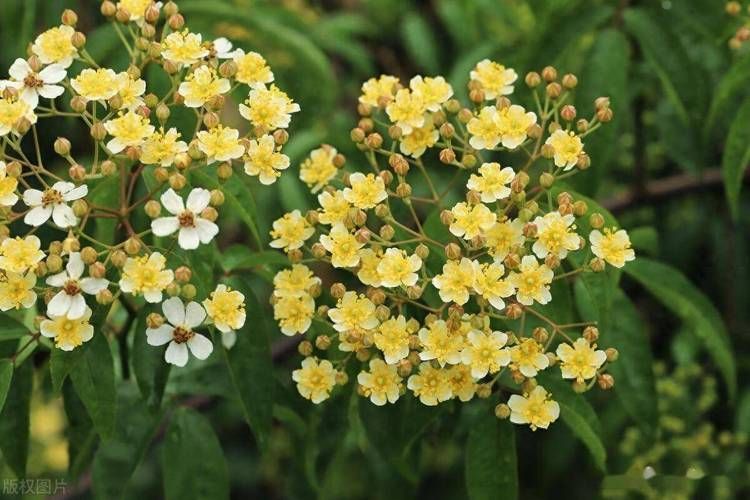
After three years, most of the flowering seeds, usually in august-september, when the tubing is tanned and the coronary hair is close to dispersing, are mature and should be cut in batches, cut off the fruit ears in a timely manner, and placed in small piles of recoiled ventilated drying, prompting the total dispersion, seeding, removal of the rags, tanned in sacks or wooden boxes and stored in wind drying. In areas such as hebei and shandong, each of these plants is selected for a larger crop period, with the rest removed in full in order to ensure that the seeds are full and have a high growth rate。
You must know something about the technology used to plant wood. If you need more information, please focus on the encyclopedia of medicines of the conmi drug network。



