


Strawberries are referred to as “fruit queens” and sour sweet, juicy and nutritious, whether on the ground or in large sheds, are popular with consumers and growers. However, many newcomers are often confronted with the problem of “narrowing” “sucking fruit” and the fact that, with the key technology in hand, acre production is easy. Taking into account 10 years of planting experience, this paper shares core techniques from seed selection to harvest, with a guide to pit avoidance, and recommends collections
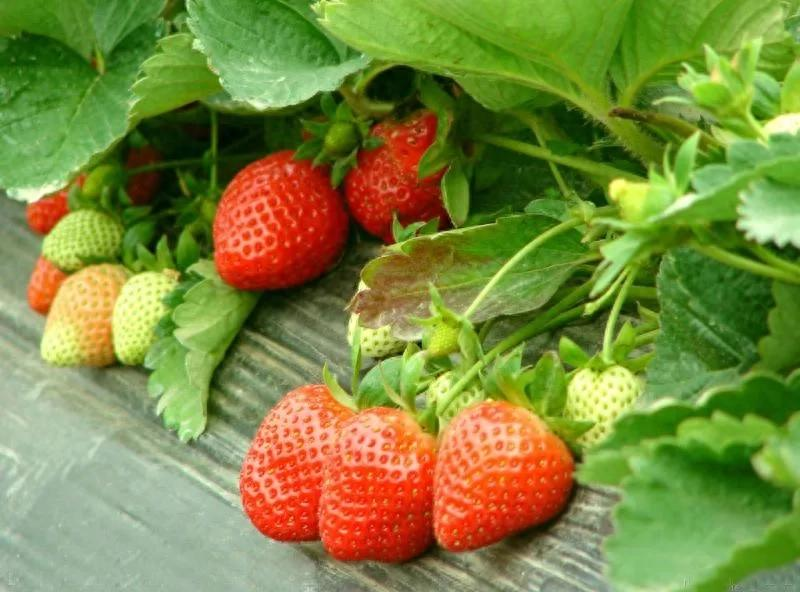
Selection of varieties: selection of “seeders” according to use and climate
1. Varieties by cultivation pattern
• outland cultivation (fitting warm areas of the south):
- selection of “comfort-resistant and reversible” varieties, such as “zhang ji” (sweet mouth, commonly known as “milk strawberries”), “red colour” (small colour, moderate rigidity) and “sweet charlie” (resilient storage, suitable for long-range transport)。
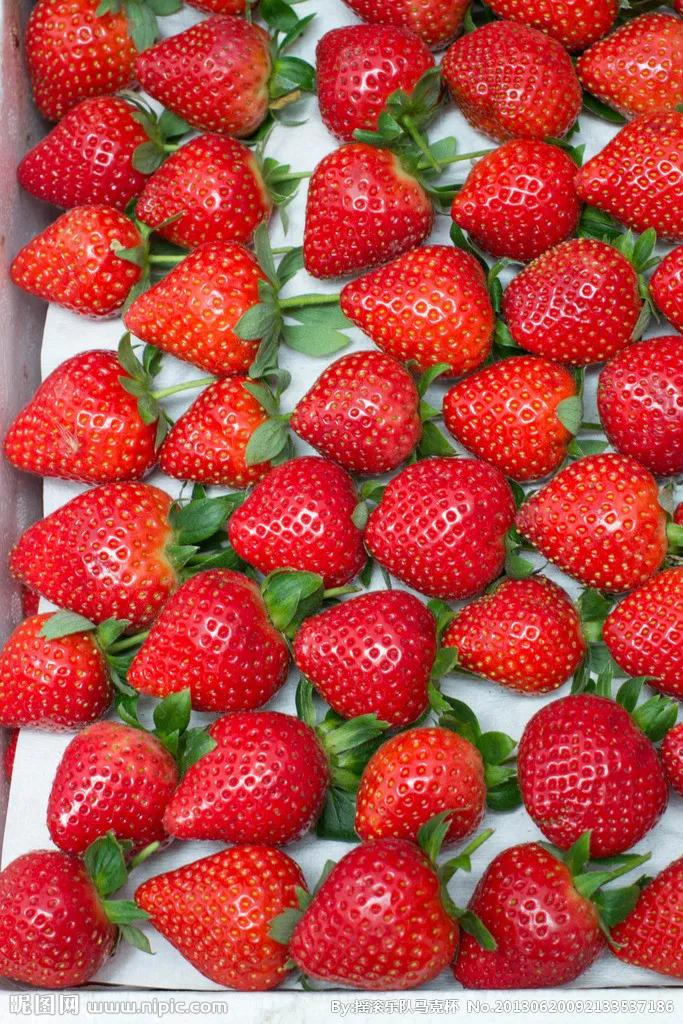
• bottle cultivation (northern or anti-season planting):
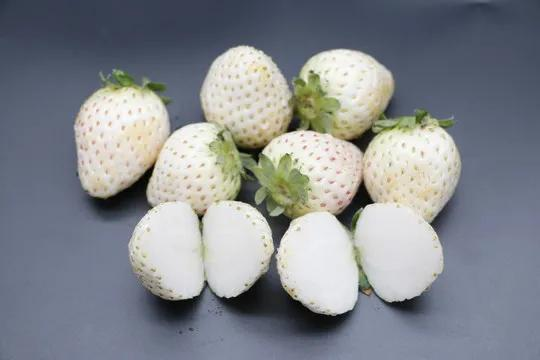
- choosing “early ripe, high-yielding species”, such as “spring beads” (20 days early, sugar 15+), “christmas red” (low-temperature and weak light, with high capacity for continuous fruiting) and “snow white” (white strawberries, 30% per unit price)。
Purchase of seedlings to avoid pits: rejection of “hormonal seed” “with seed”
• quality seedling standard: 5-6 roll-out leaves with roots in yellow and white, 8-10 cm long, pest-free and 30-40 g single seed weight。
• beware of low-priced seedlings: the net purchases of strawberry seedlings of less than 0. 5 yuan/sprays of hormonal seedlings that can easily be “old” are slow to plant and have high death rates。
Soil preparation: acidic fertile soil as a “high-yielding base”
1. Three steps for soil improvement
• acid tuning: strawberry hiatus ph5. 5-6. 5 micro-acid soil, alkaline soil (ph>7) needs 50-100 kg of sulfur powder per acre and 15 days of suffocation。
• fertilizer gain: 2,000 kg per acre of decomposed sheep/cow dung + 50 kg of decomposed acid + 30 kg of compound decomposed chicken dung (easily burning roots, maggots)。
• elevation: 30 cm tall, 80 cm wide (40 cm wide), laminate covered with a black membrane (temperature protection, weed suppression) and dripped in。
2. Rotation and disinfection
Symptoms: strawberries grow for more than two years, prone to root decay, yellow atrophy, and are recommended for rotation with rice, beans, or three years between planting。
• soil disinfection: 20 days prior to planting, remnant coverings were sprayed with a cotton-crops granular agent (15 kg per acre) and suffocated insect eggs for 10 days。
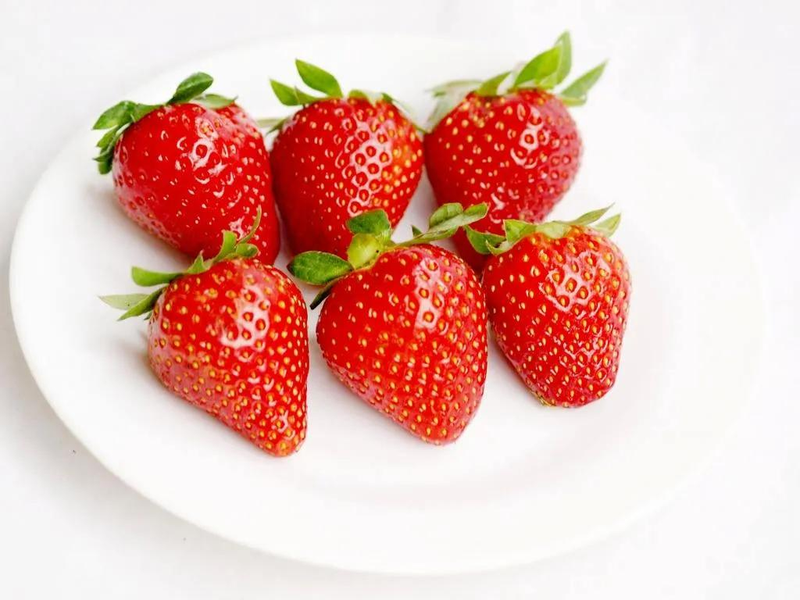
Stewardship: “deepness, lightness” is the key
1. Optimal time
• the open field: september-october (20-25°c) in the south and late august (60 days before the early frost) in the north。
• houses: 15-20 days ahead of the open ground, after planting covered with sunnets, and after seedlings (7-10 days)。
2. Density and methods
• spacing: 20 cm x 25 cm for large fruit varieties (e. G. Red colours) and 8,000 - 9,000 cm for small and medium fruit types (e. G. Jackie) and 15 cm x 20 cm for small and medium fruit species, respectively, and 1 - 12,000 cm for large fruit varieties。
• plantation points: bows face outwards (for easy pick), roots are sprawl-free, water is poured into the root water immediately after planting, and water is sprayed and wet within three days。
Iv. Field management: “full weight + fruit” precision control
Water fertilizer management: “reducing diets” against fertilizer
• shrimp period: 5 kg per acre of fertilized acid fertilized water, promoting new roots; 0. 2% potassium phosphate + 0. 1% urea every 10 days thereafter, and leaf-proofing yellow。
• vegetable period: 8 kg per acre of high potassium water solution (10-5-40) followed by fracturing on the side of the leaf (fracking fruit); 5 kg of rebalancing weight (20-20-20) after harvest。
• watering taboos: the fear of heavy water flooding (e. G., bad root), drip irrigation control of 60-70 per cent humidity, morning watering, cloudy and evening water。
2. Flower fruit management: oozing berries + auxiliary pollination
• flowers: 5-7 flowers in the first bouquet, 3-5 flowers in the second bouquet, and all the weak bouquets to avoid nutrient fragmentation。
• scavenging: deformation, disease, permutation, with 3 to 4 healthy fruit per ear, with a single fruit of up to 25 to 30 g (20% increase over non-torting)。
• pollination: sheds grow bees (one box of bee per acre) or artificially brushes male plumes with a brush, increases the rate of sitting fruit and reduces the number of abnormal fruit。
3. Control and light
• magnificent treatment: 5 per cent of cyclops emulsifiable concentrate is sprayed with 2,000 times more when the leaves are too thick and long (non-use of multi-activated aphrodisiac, susceptible to residual influence)。
• lighting for sweetness: red light for leds (10-12 hours per day) can mature 15 days in advance and sugar can rise 2-3 degrees。
Pest and pest control: “preventives, less pesticides”
1. Major diseases and prevention
• asymptomatic disease (low temperature, high wetness): 50 per cent of the fungus fumigator fumigation used prior to the onset of the disease, and 40 per cent of the aroma adsorption spray used after the onset of the disease, with a focus on leaf spray and fruit。
• roots of decomposition (dry roots): 50 per cent of the fungus 150 times more liquid is used for rooting before planting; the strain is removed at the beginning of the onset of the disease; the cavity is sterilised with lime; and the surrounding plant is ploughed with a leachate enzyme。
2. Pest control
• red spiders: 2 series of sprayings (5 days apart) with 1. 8% of avimectin 2000 + phenol 1,500 times, with a back-to-back spray。
• syracuse: 6% ethylidosterol suspension 1,500 times liquid spray at night, or blue sticky plate (30-40 pieces per acre)。
3. Ecological control techniques
• inter-clan grinding/paddy shells: reducing soil moisture and disease
• yellowboards in the shed: monitoring aphids, white lice, 20-30 pieces per acre, glued and replaced。
(c) “each of the three” benefits are maximized
1. Timing
• fresh fruit: picks when 70 per cent of the fruit surface becomes red (about eight centimetres ripe), leaves 1 cm on the fruit handle to avoid crushing damage
• processed fruit: 100% red, increased juice and sugar content。
2. Fresh storage
• classified packaging: the filling of air-traffic conservancy boxes by the size of the diameter (>30mm for primary fruit) not exceeding 500 g per box to avoid stacking and crushing
• short-distance transport: cold in cold bags (at 2-4°c) within 24 hours; long-distance air transport: pre-cooled foam + cold bags with a minimum of 3-5 days。
Analysis of economic benefits: strawberry business opportunities
• outland cultivation: 8,000 acres, 1500-2000 kg acre, wholesale price of $8-12/kg, acreage value of $1. 2-24,000, cost about $5,000 (sapling + fertilizer + manual), net profit of $70-19 million。
• large-street pick-up parks: first-class fruit is sold at 30-50 yuan/kg, with 40 per cent of the income collected by parents on weekends, with an acre value of 30,000-5,000 yuan, suitable for layout within 30 kilometres of the city's perimeter。
Let's not step on it
(a) too deep: buried without the growth of a fragrance heart, and exposed to death, subject to “aligning of the neck with the surface”
2. Excess nitrogen application: leaves thick in green but with little sit-ins, 20 per cent reduction in nitrogen fertilizer compared to conventional use and increased phosphorus potassium fertilizer
3. Non-leaf: timely removal of sick leaves, old leaves (reserved of 5-6 leaves per unit), improved ventilation and reduced disease
4. Physics: the administration of drugs during the flowering period is prone to abnormal fruit, and pest control should be carried out before or after the flowers。
Concluding remarks
Strawberry cultivation appears to be complex, but it is a delicate “triple sevens”. Each detail determines the yield and quality, from the selection of pairs to the control of water fertilizers, and from oozing fruit to pest control. It was suggested that small areas be tested before experience was gained before scaling up. Markets are now in strong demand for quality strawberries, and differentiated cultivation (e. G. White strawberries, tall strawberries) is the key to pre-emption. What are your questions about strawberry cultivation? Welcome to the comment section, and share the "berry" tree



