Date of issue to be noted for grape cultivation methods and fertilization (2022/9/23) number of hits: 3914
1. Temperature appropriate for grapes
Grapes grow at a low temperature of about 12°c-15°c, at a temperature of about 10°c-13°c, at a flower temperature of about 20°c, and at a high temperature of 20°c-30°c. When the temperature is high, the color and sugar are better. Grape spring sprouts after. If the temperature rises rapidly, it tends to lead to long branches, manifested in a long and insufficient larvae and a high degree of flavour, such as increased application of phosphorus and high carbon organic matter to minimize nitrogen fat。
2. The problem of grape light
Grapes must have a certain intensity of light during normal growth, but when the light is too strong, especially when the grape enters a hard core, it is more prone to sunburn, when the leaves can be kept as much as possible while a bag or leaves are planted。
In the event of insufficient sunlight, it is likely that the flower crown will fall and the fertilization rate will be low; the buds of the flowering season will be poorly divided, with more single fruit; and the long-lived strains will grow long and long. Unfinished or single-sum fruit; disease and poor quality of fruit during expansion; poor color during maturity and declining sugar。
3. Policing patterns
The grapes are vines and vines, which are generally platinum and plume growing, except for slow growth and the abundance of the leaves, which used to be used in rural gardens, but not in the case of large-scale farming, low-yielding, poor fruit quality and difficult to manage, which now tends to be gravitated。
Cutting and repairing
When we have long hair, we go to the barber and look more spiritual; the grapes are the same, so that the vines are not so long, they are too ploughing, they lack nutrients, and thick leaves are not conducive to the lighting of the grapes, thus reducing their sweetness。
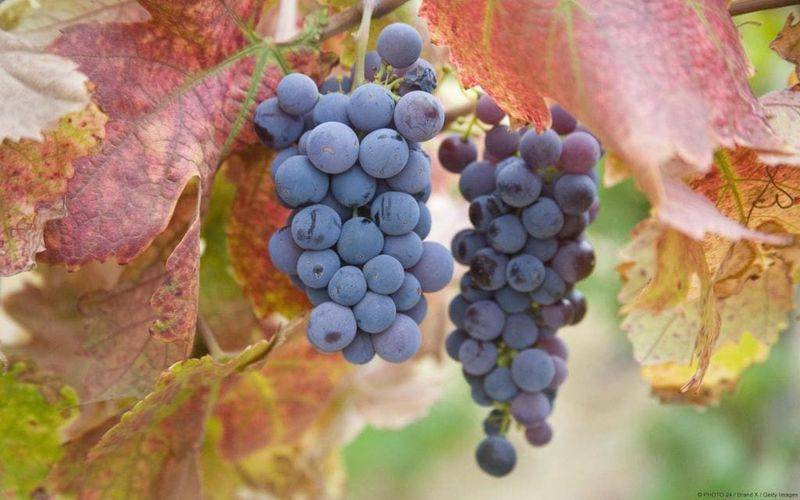
So it's necessary to cut a part of the leaves properly, and the cut isn't casual, but it's also tedious. It's important to keep the leaves that cover the fruit of the grapes, because if the sun is too strong, the fruit of the grapes gets sunburned. Fat
5. Fertilizing grapes
The fertilizer required for grapes is similar to most crops, with a large number of elements, mainly potassium nitrogen phosphorus, and a smaller number of trace elements, which, although not in high demand, are indeed not few and can be supplemented by the application of leaf-face fat. In case of fattening, the acid soil with a ph value below 6. 0 can be followed by white clouds or lime。