Dear farmers' friends, have you thought about the future of agriculture? With the rapid development of science and technology, farming technologies are constantly being modernized. Today, let us explore new technologies for farming that rejuvenate the land and see how they help us to increase production, protect the environment and even change our way of life。
1. Smart greenhouse technology
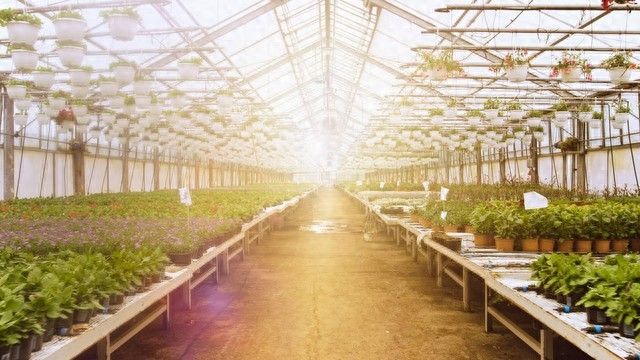
Smart greenhouse technology is a major highlight of modern agriculture. Through high-precision sensors and automated control systems, smart greenhouses are able to monitor and regulate in real time environmental factors such as temperature, humidity and light in greenhouses to ensure that crops grow in optimal conditions of growth。
Strengths:
High yield: smart greenhouses can provide the most suitable growth environment for crops, thereby increasing yields。
Water conservation: through precise control of irrigation and ventilation, smart greenhouses can significantly save water and energy resources。
High risk resistance: smart greenhouses can withstand extreme weather and ensure stable crop growth。
Application: smart greenhouse technology is widely used in the cultivation of crops such as vegetables, fruits and flowers. There are also wide-ranging applications in urban agriculture and desert agriculture。
2. Precision agricultural technologies
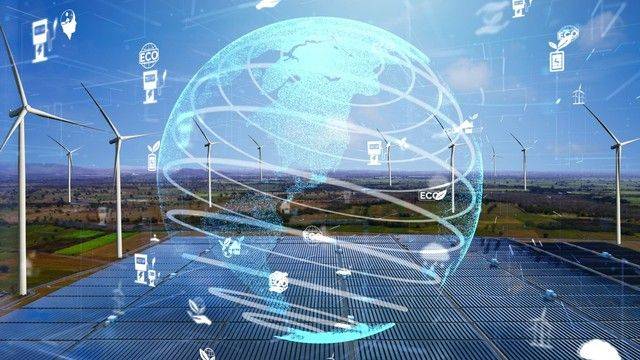
Accurate agricultural techniques can be used through gps, remote sensing, etc. For the precise management of agricultural land. Through detailed analysis of agricultural land, precision farming techniques can achieve precision fertilization, precision irrigation, precision seeding, etc., and increase the efficiency and effectiveness of agricultural production。
Strengths:
Resource utilization is high: precision agricultural techniques can be used to fertilize and irrigate on the basis of actual crop needs and reduce resource waste。
Environmentally friendly: reduce the use of fertilizers and pesticides and reduce pollution of the environment。
Improving crop quality: improving crop quality through accurate management。
Application: precision agricultural techniques apply to field crop cultivation, such as wheat, maize, soybeans, etc. There are also widespread applications in the cultivation of cash crops such as orchards and tea plantations。
Hydro- and gas-based technologies
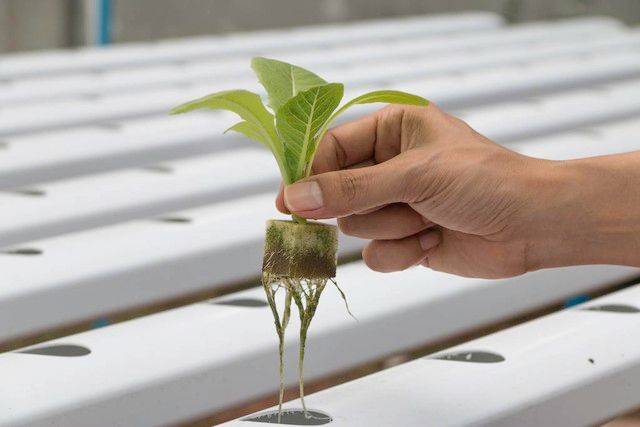
Hydro- and gas-based technologies are two main forms of soilless cultivation. Hydroponic techniques provide nutrients for crops through trophic fluids, while gastrogenic techniques provide crops through mist. Both technologies allow for high-density cultivation within limited space。
Strengths:
High spatial utilization: hydro- and gas-breeding technologies can achieve high density cultivation and increase land use in limited space。
Short growth cycles: landless cultivation techniques can provide the most suitable growth environment for crops and shorten growth cycles。
Not subject to seasonal restrictions: unearthed farming techniques are not subject to seasonal and geographical constraints and allow full annual production。
Applications: hydro- and gas-breeding techniques are widely used in the cultivation of crops such as vegetables, fruits and flowers. There are also extensive applications in urban agriculture, home gardening, etc。
4. Biotechnology applications in agriculture
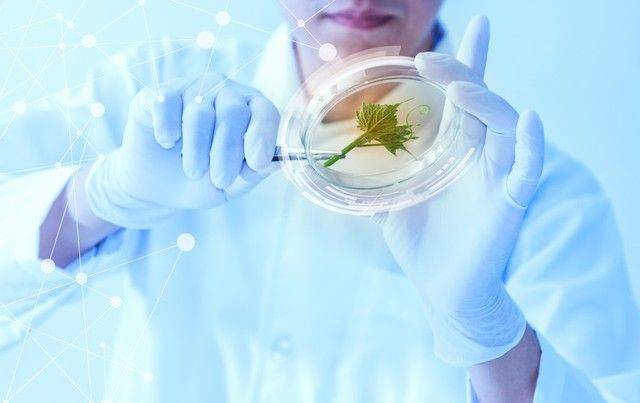
Biotechnology is increasingly being used in agriculture, such as genetically modified technologies and genetic editing techniques. These technologies can improve the nature of crops and increase their resistance to disease, adversity, etc。
Strengths:
Increase crop yields: increase crop yields by improving crop characteristics。
Improving crop quality: improving crop quality by improving crop characteristics。
Reduction of pesticide use: reduce pesticide use by improving crop resistance to disease。
Applications: biotechnology is widely used in agriculture, such as genetically modified soybeans and genetically modified maize. There are also wide-ranging applications in areas such as agricultural breeding and crop protection。
5. Networking technologies for agricultural goods
Agricultural goods networking technology enables real-time monitoring and management of agricultural land by connecting various farm equipment to the internet. Through the analysis of farm data, agro-networking technologies can provide scientific decision-making support for agricultural production。

Strengths:
Improved management efficiency: agricultural goods networking technologies enable real-time monitoring and management of farmland and improve management efficiency。
Reduce production costs: reduce production costs by optimizing production processes。
Improving crop quality: providing the most suitable growth environment for crops through analysis of farm data。
Applications: agricultural networking techniques apply to the cultivation of various crops, such as field crops, cash crops, etc. There are also extensive applications in the areas of smart greenhouses and precision agriculture。
Dear farmers' friends, the exploration and application of new technologies for agricultural cultivation has shown us the future of agriculture. These technologies not only increase our productivity and protect our environment, but also make our lives better. Let's embrace new technologies and rejuvenate the land
If you have any questions or good suggestions and ideas about new farming technologies, please leave a message in the comment area. We talk together, we progress together
These are detailed descriptions of the new technologies for agricultural cultivation, which are expected to inspire you. Let's explore new technologies to make agriculture more prosperous and our lives better