


What are the techniques and management methods for the cultivation of peanuts
Methodology/step
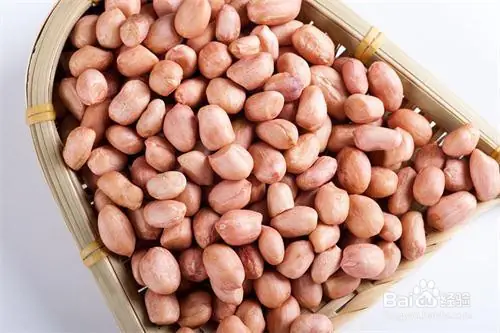
The first step in peanut cultivation is the rational selection of species, with high-yield, high-quality oil, food-processing, export-specific varieties that have market advantages, according to soil, climate, market, etc
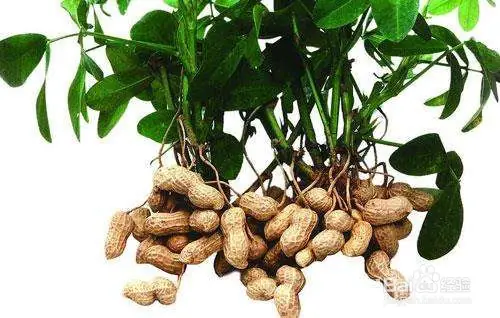
Secondly, in order to harvest seeds in due course, the northern production area requires a stabilization of 5 centimetres of ground temperature above 15°c and a stabilization of small peanuts above 12°c to begin seeding; and the southern spring plant requires a stabilization of 5 centimetres of ground temperature above 12°c to sow crops in cold tails with a relative water content of 70-75%
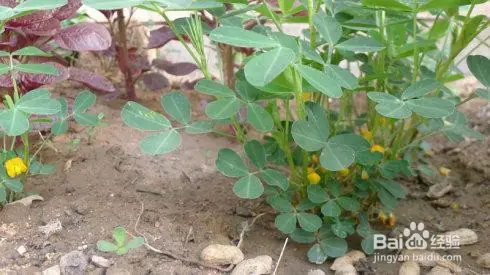
Thirdly, the scientific application of water fertilizers, spring and summer peanuts soaked in seedlings, which are generally free from water, and proper drought, which contributes to the growth of the root system, increases the resilience of plants to drought and floods, and reduces the number of first and second sections, allows for the binding of needles, and increases the saturation rate。
Fourth, there is a need to strengthen field management, first, with the timely planting of sapling branches, and the covering of the ground on the ground on the ground, and, when the leaf rises to the surface of the film, with the timely distribution of the soil above the seeding line to both sides of the line; and second, with the timely planting of grass and the neutralization of wheat peanuts within three to five days of harvest. Weeding is good
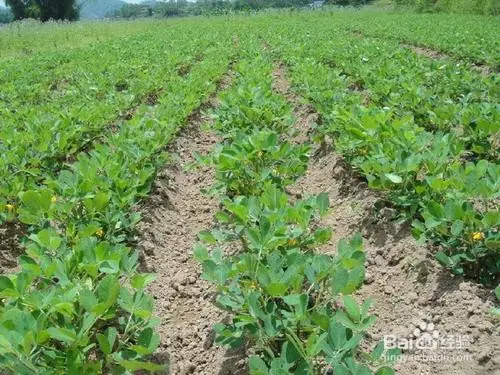
Fifthly, in order to improve disease prevention and control, the main diseases in the north-east flower-producing region are folic and mesh diseases, which in recent years have become one of the new epidemics in liao ning and western jilin; the main pests in the young flower-producing area are root stasis, folic disease, mesh disease and haze; the main diseases in the yangtze-producing area are folic disease and acne disease; and the main diseases in the southern flower-producing area are folic disease, aging disease, rust disease and haze
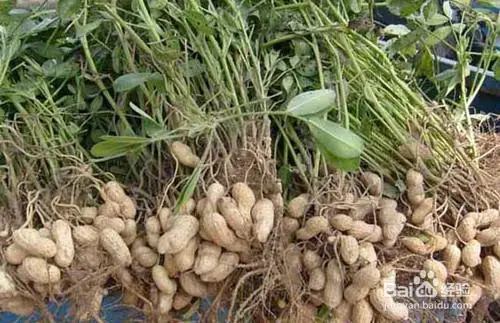
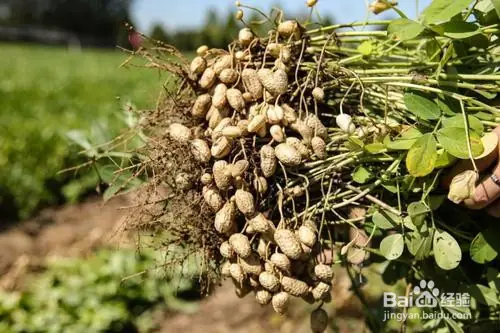
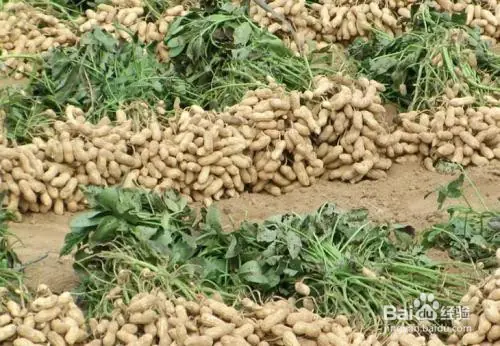
Finally, harvest time, safe storage, harvesting, drying and storage, which are the last essential components of peanut production, are generally greened to yellow with plants, keep 3-4 green leaves in the main tubers, and most of the nuts mature, i. E. Harvest in a timely manner and with flexibility according to weather conditions, and dry or dry as soon as possible after harvest, reducing the amount of nuts to less than 10 per cent water content
If you need to address specific problems (in particular in the fields of law, medicine, etc.) you are advised to consult professionals in the relevant fields in detail。
The author states that the present section of the experience was originally written by me on the basis of real experience and was rejected without permission。



