♪ 1, variety selection
At present, there is a proliferation of excellent varieties of peppers, which can be selected mainly on the basis of productivity benefits and local consumption needs. Premature, high-yielding, thin skin, brittle and tasteful varieties are generally chosen. The best varieties of peppers suitable for cultivation in the plastic sheds are, inter alia, the first-line varieties of peppers, i. E., hot corona no. 1, 3 and 5, chili, i. E., peppers 2047, chili and spicy, spicy, spicy, spicy, spicy, etc.; the two main varieties of peppers, i. E., chinese dragons, spicy dragon no. 1, etc.; the three main varieties of peppers, i. E., blue-frozen princes, chili kings, beyond 208, etc.; and the four main varieties of peppers, i. E., early plating, male wind 818 and male warriors。
The breeding grounds should be backwinded to the sun, with the fertile yellow sand soil being preferred, and the clay-heavy or sand-heavy plots not suitable for selection. The plots used as seedbeds are not suitable for planting after they have been strewn, while acres are used to feed 1,500-2000kg farms。
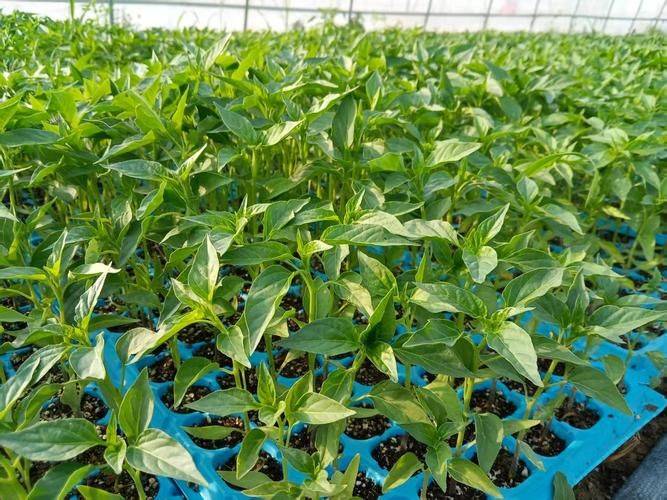
On the selected plastic shed bed, a plough of 1. 2 m is opened, the bed is sifted and piled on both sides of the bed, and the floor of the bed is levelled with pressure and water is saturated to the soil moisture level. Upon underwater seepage, piled beds are filled back to the nursery bed, which is about 6 cm thick, and when filled back with scraping plates to level the bed and begin seeding, usually 10-15 g per 1 m2, and 30% of the fungus water agent is sprayed to the nursery bed with 1,000 times more fluid than the nursery bed. When the spray is completed, it is covered with sifting soil, covering a thickness of 1 cm, and the soil is covered with a membrane covering the wetting. Finally, 2 m long bamboo blades or little bamboo poles were inserted into small arch sheds, covering 2 m wide membrane, and planted。
A week after seeding, closed management without lifting the small acoustic membranes; observation after a week; ventilation management after seedling, gradual increase in ventilation, during which no water fertilisation is required as long as the bed is fertilized and the bottom is feet, pest control or leaf fertilisation according to the state of growth; separation of seedlings as long as it lasts up to 1 in four leaves and around 40 days of age, bearing in mind that the nursery *** is controlled within 45 days。
Sapling beds were ready 10 days before the breakup. On the selected plots, a plattered bed is made at 1. 2 m, with the moving compartments being 1. 2 m wide and the road blocks being 0. 8 - 1 m wide, which require all of them to be sifted over the piles and to be ploughed when they are shrunk。
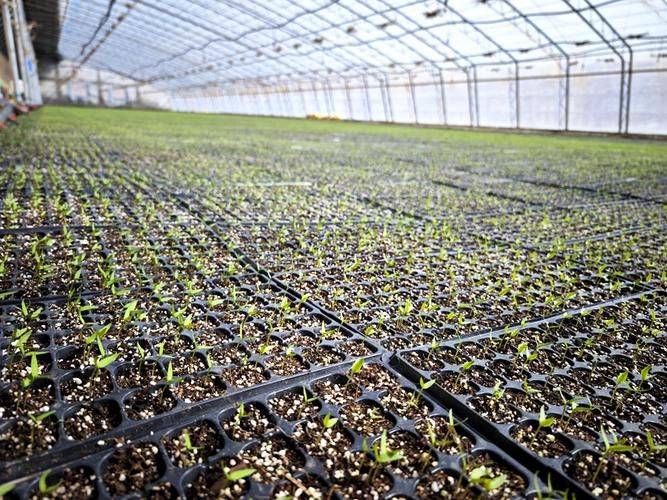
Sapling density is typically 10 cm x 10 cm, with a double or single seedling. Scavengers are cut with scavengers and are discharged behind the scavengers, usually 12 in each row, and the depth of the scavengers is suitable for the rise of the bed. When the seedlings are drained, water is poured under the ditch, i. E., dark water, and the rear is kept clean and dry。
Another method is to nourish the seedlings, which have a calibre of about 10 centimetres, and when they have been completed, to cover the small arches. Watch out for the sunday when the sapling is chosen as a "cool tail"。
1 temperature and light management. Within a week, the seedlings are not exposed to the small acreage membranes, which maintain a high temperature and are conducive to the production of a seedling; the seedlings are gradually ventilated to prevent a fallout, and they are generally spread around a month later, with warmer or grass cover placed on the small acreages in the sheds, so that the seedlings can see light as much as possible under guaranteed temperatures. In particular, in the rainy days, as long as there is no freezing, the light is lifted. Low temperature seedlings 10-15 days before planting。
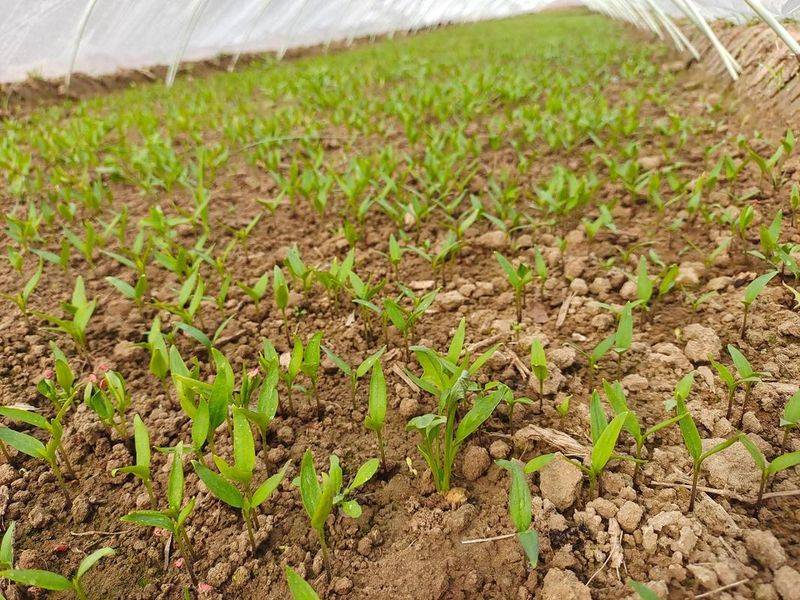
2 fertilizer management. Water may be watered before the new leaf grows; when the heart leaves start to grow, water is poured out in the morning and sufficient once, depending on the warmth; it is then decided, on the basis of the warmth and strength, that the water is fertilized, and that every time the water is dried up, it may be fertilized with the appropriate pine soil, but it shall not hurt the roots, if the nutrient seedling is used, it shall be sore。
3 pest management. As long as temperature, light and water fertilizers are properly managed, there will be no serious pests in the general nursery. The day-to-day management is always concerned with maintaining a more dry nursery environment; at the same time, possible pests and pests are prevented and two to three times are sprayed against diseases, insects and fertilizers, using crackling + amphibian + phosphate potassium leaf. As a common disease in the form of hot peppers for the winter season, the use of crackle humid powder, based on well-established agricultural control measures, is more effective。
4 pre-plant preparation. The seedling beds are filled with water before planting, so that the seedlings are cut in the direction of the seedlings, so that they do not damage the roots; the nutrientd seedlings are fed with sufficient water two to three days before planting to ensure their quality。