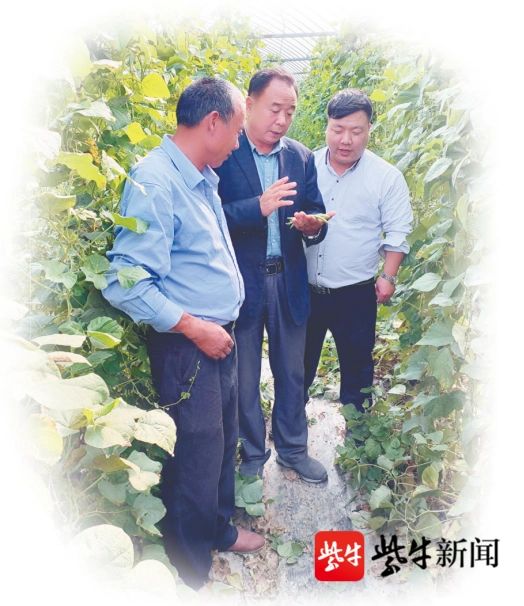
In recent years, my county's forest villages have been undergoing agricultural restructuring with a major expansion of the production pattern of hot peppers, hot tomatoes and potatoes, which generally produce 4,000 kg of peppers, 5,000 kg of tomatoes and 600 kg of potatoes, with additional productivity。
I. Cultivation patterns
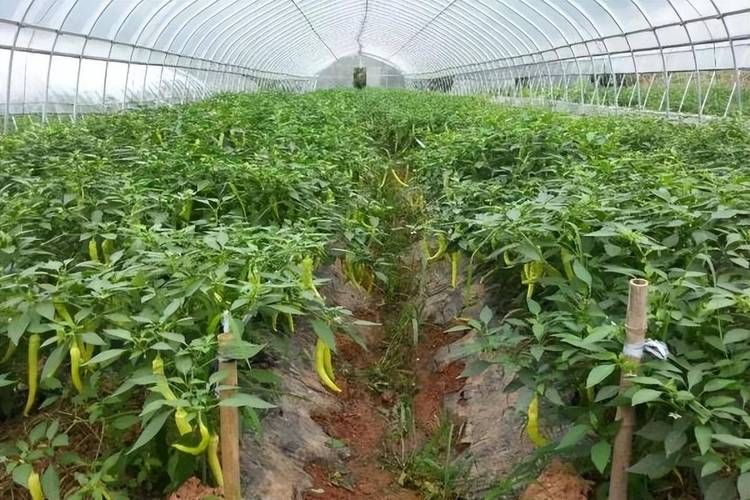
Hot peppers were planted in the shed in mid-july, planted in mid-september and started harvesting in december; tomatoes were planted in mid-october, planted in early january of the following year and collected in mid-april; and beans were on-demand in mid-may and collected in mid-august。
Ii. Main cultivation techniques
1 hot peppers. Choosing pepper number one. (b) the use of large sheds with sun-shield nets to cover seedlings, which are planted for about 20 days with three to four leaves of seedlings, are spread among nutrients, with attention to sun-shield protection and temperature regulation. In mid-september, 3000 kg of organic fertilizer per acre, 20 kg of triple compound fertilizer and 1. 5 kg of boron fertilizer were applied as base fertilizer. The seedlings were planted in sheds, with 4,500 plants per acre. Long-term seedlings are followed twice, each with approximately 10 kg of compound fertilizer per acre. The use of sprays such as botanical power 2003, harvesters or dynamicists during the high-temperature phase could contribute to the outcome. (c) strengthen the management of the temperature of the sheds, with attention to ventilation and cooling of the covered sunnets in the preceding period, as well as to freezing in the medium and later stages, maintaining the temperature of the sheds at 25-30°c during the day and 15°c at night. When the temperature drops to 8-15°c, the apron is built. When temperatures are below 8°c in the post-growth period, multilayer coverage should be provided to protect against temperature and cold. Get rid of the peppers in time. Watch out for viral diseases, aphids, etc。
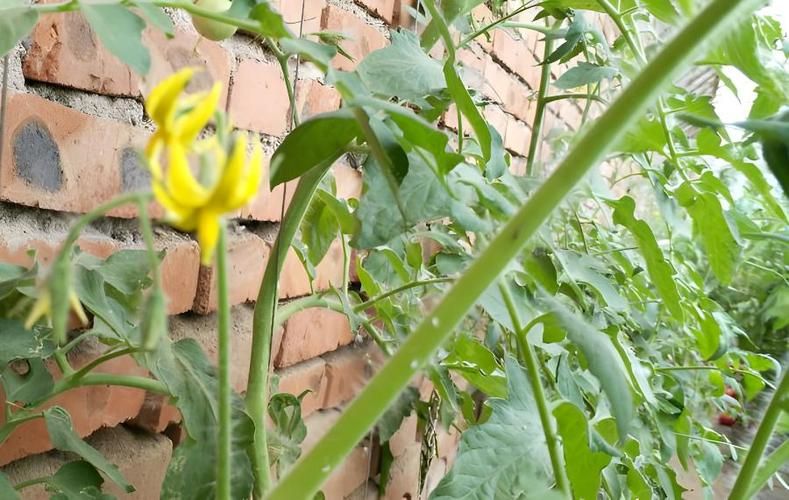
2. Spaniard tomatoes. Pre-cooked tomato varieties such as bog 903 and 906. Cultivation is carried out using large and small arches with membranes and multi-layered laminates. In the same shed as the former hot peppers. In mid-november, a seedling of about 30 days old was moved into a trophic sapling for false planting. The ground is pre-planted, with 2500 kg organic fertilizer per acre and 50 kg compound fertilizer per acre. Approximately 4,000 units per acre are planted, sufficient water is poured and 250-300 kg of septic water is applied per acre for seed fattening. When the first and second fruit began to expand, they were followed once. (c) strengthen the management of sheds, which are not more than 30°c during the day and not less than 10°c at night. The whole stretch. In order to increase the sitting rate, 2,4-d liquids or impregnated fluids may be used to plant flowers. Ten fruit per plant and spare buds in time。
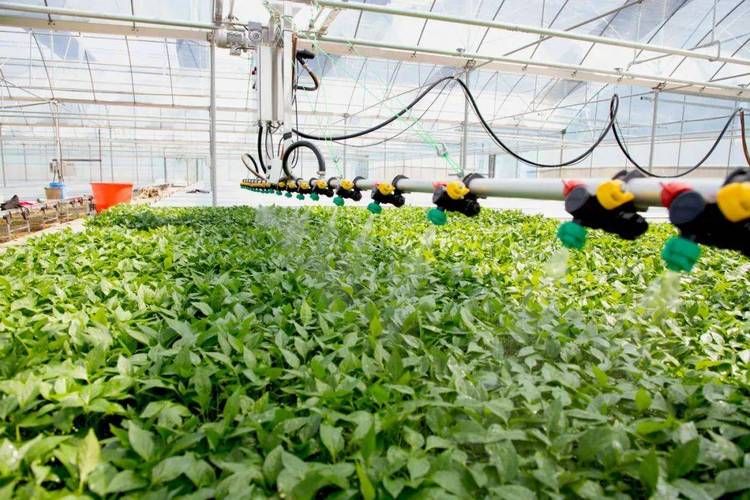
Three, soybeans. In mid-may, the beans were broadcast at a distance of 20 cm x 20 cm, with appropriate application of nitrogen fertilizer and increased potassium phosphorus fertilizer. Other management measures are common. (from contemporary agriculture 2001. 7)