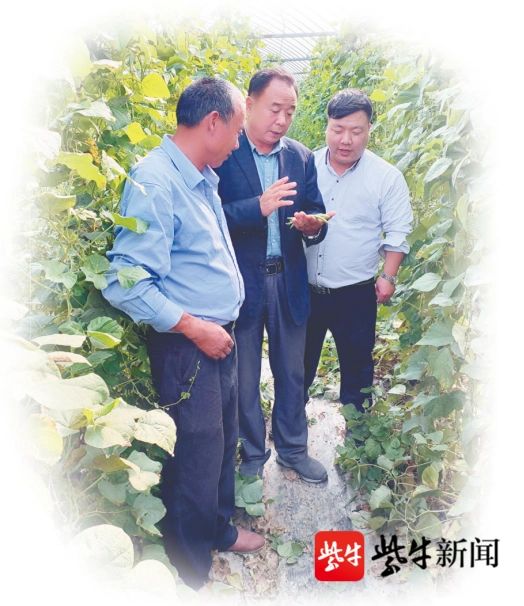
With the development of modern agricultural technologies, squatter cultivation has become an important means of improving crop yields and quality. As a popular vegetable and spice, peppers are in high market demand and cost-effective. Therefore, mastery of the production technology for the production of hot peppers in large sheds is important for raising farmers ' incomes and meeting market demand。
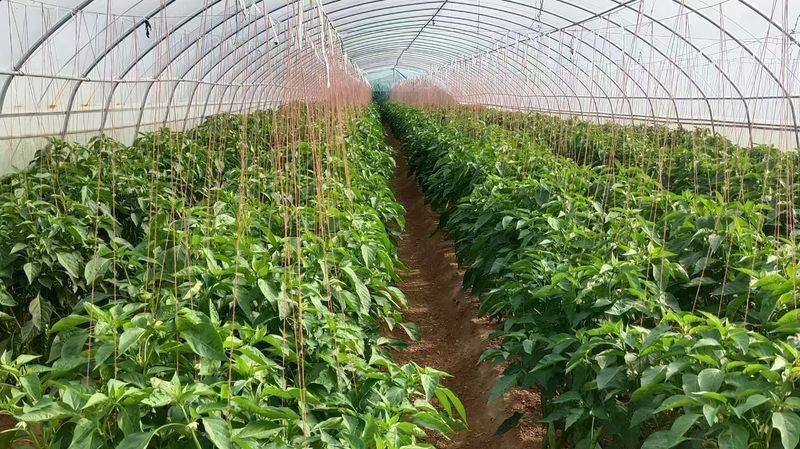
Specific implementation steps
1. Location and shed
Land with a flat terrain, good drainage and fertile soil was chosen for the construction of the shed. They should ensure good ventilation, with a certain level of temperature protection。
2. Soil preparation
Deep tillage is carried out and foot bottom fertilisation, such as organic fertilisation, compound fertilisation, etc. Adjustment of soil ph to the range suitable for pepper growth (6. 0-7. 0)。
3. Choice of varieties
(c) select the varieties of chili that are adaptable, productive and of good quality, depending on local climatic conditions and market demand。
Cultivation
Cubling is used to raise seedlings or beds, to control temperature and humidity and to ensure that the trees are strong。
5. Plantation
Plantation is carried out within the shed at certain line and range and care is taken to maintain the spacing of the plant for ventilation。
6. Management and regulation
• temperature management: peppers grow at 20-30°c and not less than 15°c at night. Temperature needs to be covered by the sun during the summer and warmed by winter temperatures。
Water management: keep the soil moist but unwatered and irrigate in due course according to the growth of the plant。
• fertilizer management: regular pursuit of nutrients such as nitrogen, phosphorus and potassium to promote healthy growth of plants。
Pest and pest control: integrated physical, chemical and biological measures to combat pests and diseases。
7. Picking and reprocessing
Hot peppers are collected in a timely manner when they mature to avoid familiar effects on quality. After harvesting, they are sorted and stored or sold properly。
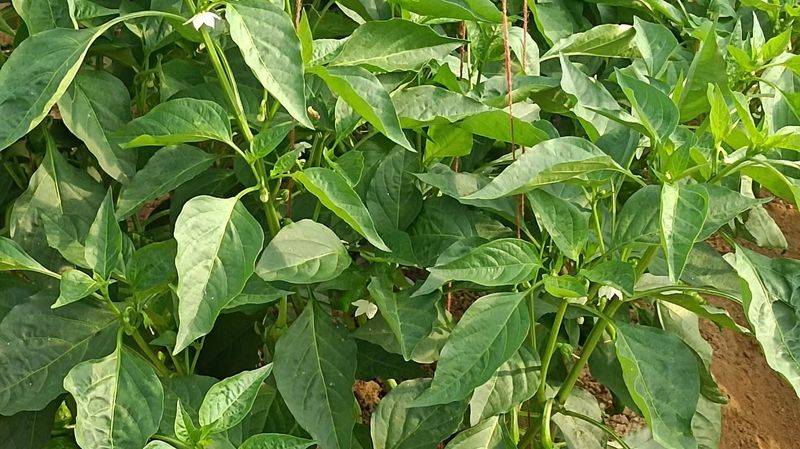
Analysis of technology acquisition and rationale
• temperature management: peppers are sensitive to temperature and appropriate temperatures can promote growth and development and improve yields and quality。
Water management: sound irrigation not only meets the demand for plant growth but also prevents disease。
• fertilizer management: balanced fertilization provides adequate nutrition and fosters strong growth of plants。
• pest and pest management: integrated management strategies can be effective in reducing pest and disease losses and ensuring yields and quality。
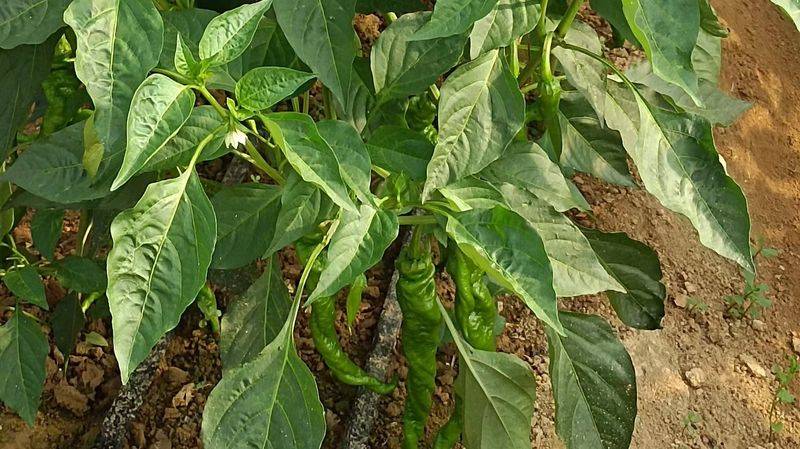
The production techniques for the production of hot peppers in large sheds involve multiple stages, including site-building, soil preparation, variety selection, seeding, planting, management and regulation, and post-harvest processing. Each link has its own unique technical requirements and rationale, and the high quality of pepper production can be achieved only if these steps and requirements are strictly followed. In practice, farmers ' friends also need to adapt flexibly to local realities and continue to learn from experience in order to improve the technology for the production of peppers in large sheds. Through scientific management and careful care, the cultivation of hot peppers in large sheds is bound to be one of the effective ways of increasing farmers ' incomes。