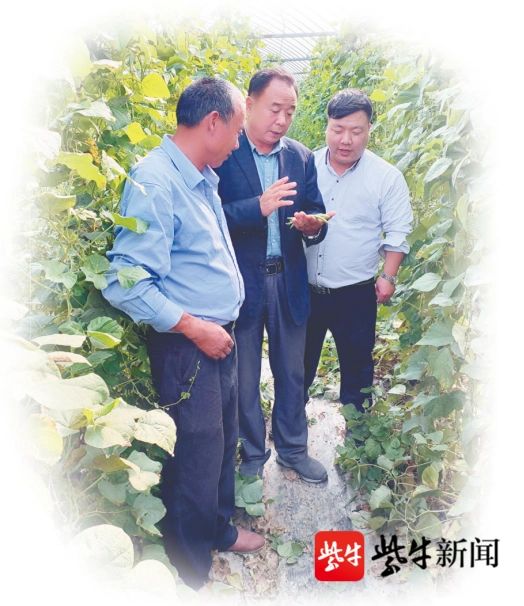
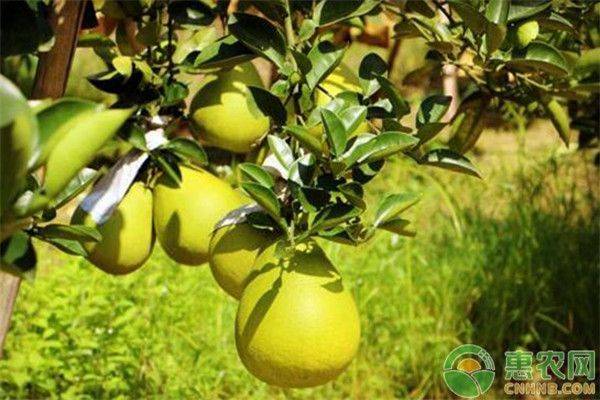
The grapefruit trees usually prefer warm, wet environments and require adequate moisture and fertile soil. Thus, when planting euphemism trees, deep and nutritious soil should be chosen and good water conditions ensured. The following is a study of the techniques used to manage grapefruit cultivation。
1. Timing
In general, the options are spring and autumn. The best spring time is from the end of february to the second half of april, during which time the spring rainy season is taking place, with an appropriate temperature for the growth of seedlings. In the fall, the appropriate time was mid-september to mid-october, when the weather was relatively cool and rainfall was high, helping to grow trees. They can also be established during other seasons, if conditions are available, but not at the end of the winter and in conditions of drought in the summer。
2. Plantation density
At the time of planting, the range could be 4x4 metres or 4x5 metres, with about 40 plants per acre. It is also possible to plant 50-60 plants per acre in a manner that is short and dense。
3. Cultivated land
Medium farming should be combined with weeding, usually three to four times a year, i. E. After the winter harvest, in the summer or autumn, a combination of planting and inter-cropping. At the time of planting, the depth of cultivation is 10-15 cm (with appropriate deepening depending on seeding and inter-cropping) and the closer to the trunk, the depth of cultivation should be reduced to avoid harm to the main root. Preferably, it takes place before the onset of the dry season or after the winter harvest. In the slopes, it usually takes place every three to four years, while in the areas where the slopes are large and severe, it should be done every other year。
4. Fertilisation
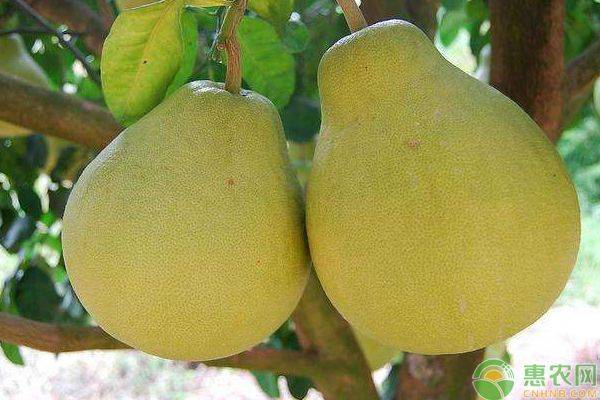
Young trees grow slowly and are weak in their roots, so they are required to work hard to fertilize and can be applied 5-6 times a year. For the result tree, fertilization is generally required four times, including positive (basic) fertilisation, sprouts (pre-flower fertilisation), steady and strong。
Hemogenic fertilisation (basic fertilizers): before and after the harvest of fruit, fertilisation is about half of the annual total of fertilizers. A large number of late fertilizers, such as green fertilizers, composting, dung, bread fat, should be used and applied in combination with fast-acting nitrogen and phosphorus fertilizer。
(b) stimulant fat (pre-flower fat): fertilisation is generally performed in february-march, mainly by fast-acting nitrogen fat, using mainly human and animal manure and appropriately combining urea。
Stable fruit fertilizers: quick-acting nitrogen and phosphorus fertilizers are applied in the first half of the june fruit fall, well-regulated human and animal manure is also used, and 1 per cent of calcium phosphate leachate is sprayed。
Fertilizers: applied in mid-june, mainly nitrogen and potassium phosphate。
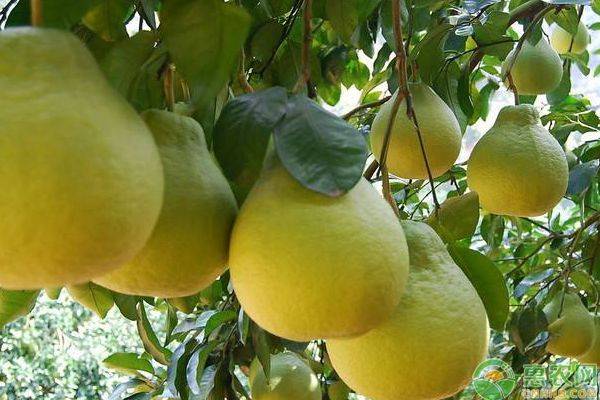
5. Water management
The euphoria tree is a permanent green plant, with long branches, long maturity periods for fruits, larger leaves and fruits, and high demand for moisture. In planting euphemism trees, their water needs must be met through appropriate irrigation. The irrigation should be adjusted to the need for water in the euphoria tree at different stages of fertility and to the prevailing drought. In general, euphemism requires appropriate water throughout its growth and development, especially when spring sprouts and flowering periods are the most sensitive in the long run, and when spring and drought or prolonged drought occur, irrigation is necessary. In areas with low terrain and high groundwater tables, or before the onset of the rainy season and during the rainy season, attention is also given to drainage, timely inspection of drainage systems in the tea garden and unhindered access。
6. Scientific shears
The grapefruit growth is strong and the tree is high. At an early age, with adequate nutrients and water supplies, the top growth will be strong, branches will grow straight up, and it will be easy to form visible trunk trees. The new ones are more numerous and strong, and the subsequent branches are slid down because of the weight of the fruit, resulting in the whole tree being umbrellaed, and the sun not easily entering the interior through the canopy, leading to a weak branch and smaller fruit. Most of the results of the euphoria are found inside the canopy, usually a two-year-old leafless branch. Depending on the growth and outcome characteristics of the euphoria tree, the “transformation of the main stem” and the natural “happy form” should be chosen for production, with the trunk at a height of 40-60 cm and a distance of 30-40 cm between the main branches, with a total of 5-6 branches. The sheave tree should be trimmed “with a heavy top, light surrounding, heavy peripheries, light inside”, i. E. With proper trim and thinning of the dense branches around the crown, with important trims on the top branches and minor trim on the internal branches to ensure good light conditions within the canopy, and to promote more fruit growth and quality. In general, the thinner leafless branch of the three- to four-year-old wing within the canopy is the good outcome branch and must be preserved. The side branches that are too long or disrupt the tree shape on the edges of the canopy, which affect the balance of the tree, should be carefully trimmed and short-cut for the purpose of ventilation。
In addition to the importance of managing the cultivation of grapefruit trees, prevention must be a priority。
You may be interested in and welcome to the following recommendations of the network:。