


It's a secret that the mu wai city's gingo is a success
Ho ying ping
It is located in the northern part of the city of wuwe, gansu province, in a temperate, continental dry climate, with much wind and dusty weather, long frostless periods, strong evaporation and radiation, abundant sunlight, short and hot summers, long and cold winters, and much less warm day and night. The average annual temperature is 7. 9 °c, the maximum 38. 1 °c, the minimum temperature is -28. 8 °c, the annual precipitation is 127. 7 millimetres and the annual evaporation is 2623 millimetres. The drought and long-term frost-free character of the hard-working districts provides unique conditions for planting the fruits。
Since the introduction of growers in 2009, the agricultural sector and farmers in the district have actively applied new technologies, cultivated new varieties and gained experience in practice. As a result of the greenhouses pilot demonstration and over 10 years of development, gingo has become the main cash crop in the county and has won the city the reputation of “the chinese gingo country”. To date, the town of minqin has developed a “one nuclear park and two gardens” with the main production area in east dam town and the towns of tsiko and dam towns as sub-production areas, and the towns of rehing, suwu, san ray and shelbai have been built with radiation and have established a farm for five individuals, including one village, east dam town。
1 poll-free cultivation techniques
1. 1 selection
The climatic conditions and soil conditions vary from region to region, as do the types of fruits suitable for planting. In view of the scarcity of rainfall and the dry climate in the field districts, the selection of items should be good drought-resistant, with the following categories being dominated by big purple, askar and changye: (1) big purple. Big purple ginseng, single fruit mass 100-200 grams. Prematures are green, ripe fruit is golden and accompanied by purple stripes. Strong, heat-resistant, fat-resistant, 30°c and above, with a high single-cut yield, premature curdish, dim, a little odoury, mainly for food. (2) askar. The tubers are thick, the leaves are thick and green, the fruit is heart-shaped, with a single fruit mass of 150 ~ 250 g, and an individual mass of up to 500 g. It's cold and results are high. According to the farmer's planting experience, the number of single results is around 30. (3) precious. The fruit shape is heart-shaped, gold-coloured with purple stripes, with a single fruit mass of 150 to 250 g and a larger individual mass of up to 1,000 g, with a very high result of 40 to 50 g/ strain. In recent years, in order to meet the diversified needs of the market for human ginseng, the rural sector and farmers have also introduced qinghai's specialty varieties such as sweets, brights, greens, greens and jade, but the cultivation of new products is still at the experimental and mapping stage and has not yet become widespread。
1. 2 timing
The effect of the season on the quality of human cucumbers is significant, and the seasons should avoid high temperatures, high humidity and high infestation, and the seasons and periods during which human cucumbers can be cultivated in the field districts: (1) the springs of the shed are early. Mid-january, planting in early march, early may, early july. (2) the shed was delayed after the autumn. Mid-july, mid-august, mid-october, mid-november. (3) over the winter. Early september, early october, and march-july. (4) falls and winters. In early august, seedlings began, in early september, and in mid-november, they were collected in late january. (5) winter springs. Mid-november seedlings were established in late january and collected in mid-april until mid-july. (6) spring arch shed cultivation. In early february, the baby was planted in late march and collected in mid-may until early july. (7) spring field cultivation. Mid-february, mid-april, mid-june, mid-july. (8) summer sunshield cultivation. Mid-may, mid-june, mid-august, mid-october。
1. 3 zirconium and planting
Due to the scarcity of water in the drought in the field districts, turtle backs were more often used for planting, 8 cm tall, 30 cm wide, 30 cm long, 50 cm long, 4400 acres. Spring and autumn planting, which can open a shallow ditch of 3-5 centimetres flat, is then planted into a small sapling from the ground。
1. 4 zener
The sheep farming industry is well developed in the mandarin district, where in 2023 there were 4. 2 million meat and sheep. As a result, fertilizer is dominated by decomposed sheep manure and 21,000 kg per acre. 1/2 organic fertilizers are applied to the ground as a whole, leaving 1/2 to be applied to open trenches. Ammonium phosphate and potassium fat should also be added at 30-40 kg per acre and 20-30 kg per acre respectively。
1. 5 field management
1. 5. 1 the whole branch of the cucumber tree is extremely dynamic and growing at a very rapid rate, allowing for the early and timely removal of the surplus branch, which is important for the success of the cucumber tree. Farmers are required to have a rational branch of 15 cm or more of the plant, each of which may have a branch of 3-5. The new branch of the cucumber is growing fast, and it has to be trimmed once in 10-15 days。
1. 5. 2 grassing, common weeds, including, but not limited to, weeds, salt, cattle and weeds, etc., in civilian districts. In the case of migrant farmers, 15 kg of water was sprayed with ammonium salt 100-150 grams. After five days of weeding, farmers are allowed to inspect the area where the plant is grown, if the weeding rate exceeds 95 per cent。
1. 6 picking
The timing of pick-ups depends on their role. When the fruit expands to a certain extent and the surface has purple stripes, the fruit matures to a maximum level of nutrients, which can be harvested if the fruit is cooked, but if it is produced as a vegetable and in order to ensure a good taste, it must be taken after the fruits have matured. At full maturity, the fruit skin of the human ginseng becomes golden and is accompanied by very visible purple raisins。
2 pest management
Insects and insects are a major threat to the human ginseng industry, and in january-december 2022, the agricultural technology department of the field office set up monitoring points in the main man ginseng production areas of san ray, suwu, dam and dam towns, with two common diseases, vehicular diseases, which account for 50 per cent and 30 per cent of the total infection, respectively (as shown in figure 1); and common pests 2, i. E. Aphids and tigers, which account for 45 per cent and 37 per cent of the total strain, respectively (as shown in figure 2). Its response strategy is as follows。
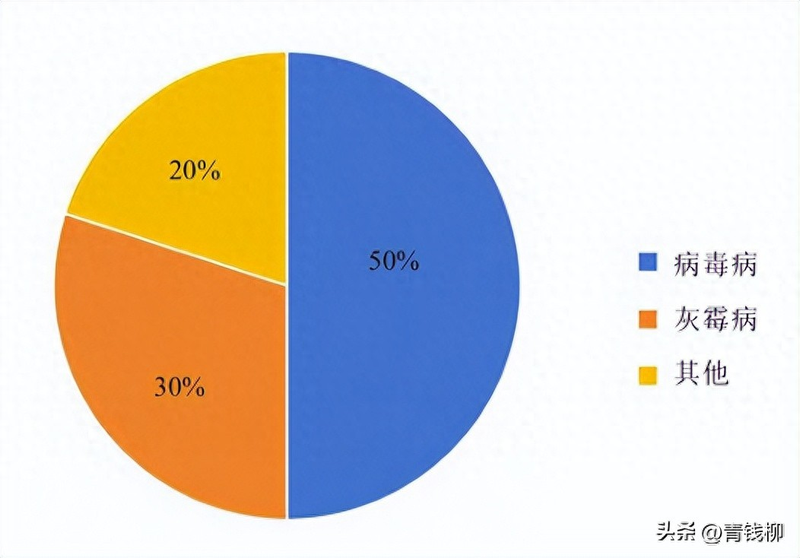
Figure 1 shit
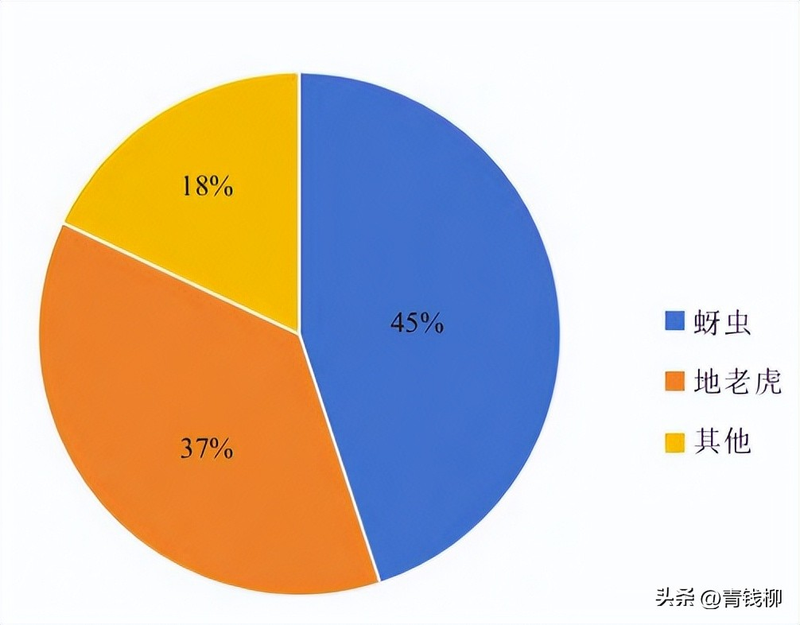
Figure 2
2. 1 disease control
2. 1. 1 the symptoms and occurrences are of two kinds:
(1) virus disease. After the infection of the virus, there is a slight greening of the disease on the leaves, and there is a fragrance of the fragrances. If the disease is serious, the disease's veins can wrinkle, form linear leaves, slow growth, thinness of the fruit, different ligatures, severe dilation (as shown in figure 3). In 2022, the area covered by the ringo virus among people working in the county was as follows: town of san ray 60. 5 acre, town of suwu 75. 3 acre, town of dam 79. 4 acre and town of east dam 85. 6。
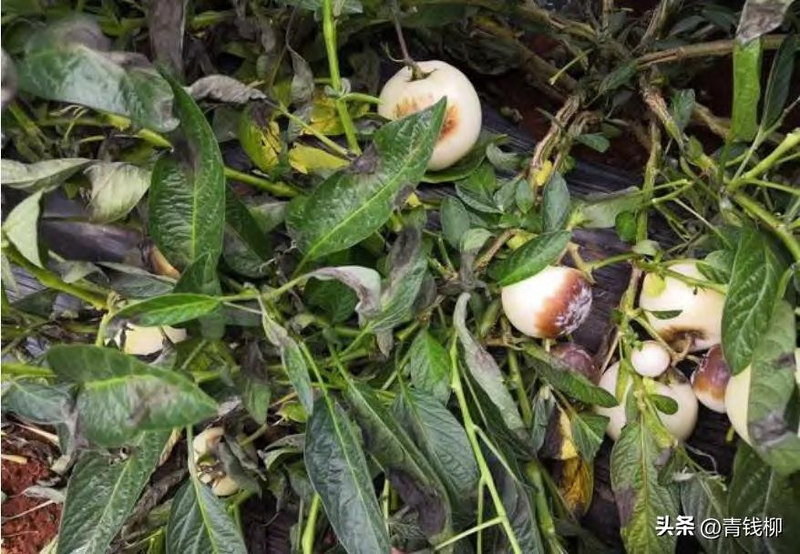
Figure 3
(2) grimble disease. The disease is usually caused by asymptomosis, which includes fruit, flowers, tubers and blades of human cucumbers, and is followed by grey filaments (as shown in figure 4). Failure to combat it in a timely manner can lead to the atrophy, drying and falling of leaves, the inability to perform photocosm and the death of the disease. In 2022, the area covered by ringo asymptomosis among people in the qin district was as follows: 71. 5 acres, 693 acres in suwu, 89. 4 acres in dam and 91. 6 acres in toba。
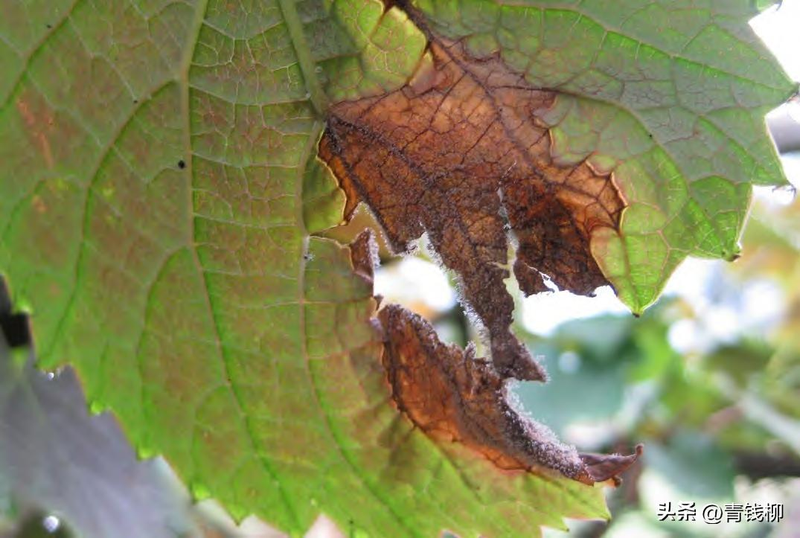
Figure 4
2. 1. 2 there are two types of intervention:
(1) agriculture prevention and control: farmers regularly visit areas where they grow, such as the detection of strains, timely removal, or deep burial, or burning; regularly clean areas with 20-30 cm tillage, with high temperatures and tans; before planting, they can sow lime at 100-120 kg per acre, and mix it with the cropping layer for the purpose of killing。
(2) drug control: prevention by bordeaux liquid spray at 30 litres/acre. After the onset of the disease, acne, fungi, amphibian + united states dollar 1000 times liquid treatment can be applied interchangeably, requiring one spraying every other week and three continuous spraying。
2. 2 pest control
2. 2. 1 pest hazards and occurrence:
(1) aphids. Aphids feed on human cucumber juice, which can easily cause plant leaves to shrink and turn yellow, seriously affecting the production and quality of human cucumbers. In mandarin county, 20-30 generations a year. The peak is in late march to mid-may, spring, fall. In 2022, aphids were exposed to the following areas in towns in mandarin county: 775 acre, suwu, 49. 3 acre, dam, 85. 4 acre and east dam, 81. 6。
(2) little tiger. In mandarin county, small tigers happen 1-2 generations a year. Ten days. Insects are weak for ordinary light, but more for black light. It is mainly the 1 to 2-year-old larvae group that collects and feeds young leaves. In 2022, aphids were exposed to the following areas in towns in mandarin county: 695 acres, suwu, 73. 3 acres, dam, 81. 3 acres, east dam, 89. 6。
2. 2. 2 there are three types of intervention:
(1) manual control: manual control means the use of manual methods to combat pests and diseases. One is the method of killing. Artificial killing can be used when pests occur in small areas. For example, when larvae hazards occur, small tigers often drag their biting seedlings into the ground and use the practice to kill them. Two is seduction. Inducing insects to be killed by using their lurking habits and special requirements for winter sites or habitats. For example, in the case of small tiger larvae, which tends to lurch under the platinum leaves, households tend to plant larvae in large sheds and concentrate on their eradication after seducing small tiger larvae。
(2) physical control. One is the light to kill the bug. The tiger tends to black light, so the campers put a black light every 5 metres in the area where it was planted, and they were booby-trapped at 90%. The second is the yellowboard bait. Yellow is extremely attractive to aphids, so it can prepare cedars and paint them with scrap oil, and then trap them with a booby trap of up to 70 per cent。
(3) biological control. Biocontrol refers to the use of interrelationships between biological species to reduce the population density of harmful organisms, which is more widely used than traditional chemical methods, since biological control has the advantage of pollution. One is biopharmaceutical control. For aphids, 1. 8 per cent of the avil cream 30-40 ml can be used to spray the water equally. For the eradication of small tigers, the water is sprayed equally with 900 ~ 1,500 ml of pib/ml multi-angle virus suspension. The second is to protect the natural enemy. Protecting and using natural enemies such as bees and flies。
3 concluding remarks
In sum, in order to implement the “two mountains” doctrine and achieve sustainable agricultural development, traditional cultivation methods are gradually replaced by the application of non-hazardous farming techniques. The relevant authorities should draw lessons from the existing practices in the field districts, starting with the selection, planting, fertilization, pest control, etc., in order to build a well-developed technical system for the cultivation of human cucumbers, with a view to reducing agricultural disabilities and preserving the natural environment, while ensuring that the economic benefits of farmers are not affected。



