


The hot and hot summer season is about to begin, in order to ensure the protection of workers in high-temperature and high-temperature weather operations in the event of a normal epidemic, to effectively prevent and control the occurrence of summer events and industrial safety accidents, to reduce the risks to the health and safety of workers caused by high-temperature and high-temperature weather operations, and to effectively safeguard the rights and interests of workers in the field of labour safety and health. The general trade union recently issued a circular on the preparation of worker's summer temperature control for 2021 (hereinafter referred to as " the circular " ), which provides for the deployment of staff in the event of summer cooling。
The circular states that summer cooling is a highly seasonal work of labour protection, which is directly related to the health of workers and the safety of the workplace. Trade unions at all levels are required to raise awareness of the importance of labour protection for workers working in high-temperature and high-temperature weather operations as an important element of the work of trade union service workers and the protection of their rights and interests, to include in the work of trade unions an important agenda, to plan ahead, to organize and deploy them in a well-organized manner, to effectively strengthen organizational leadership and to enforce accountability. It is necessary to combine the work of the local authorities in order to ensure that trade union resources are used in an integrated manner, and to take effective and efficient measures to minimize the adverse effects of the epidemic and the combination of high-temperature weather factors on the productive lives of workers, while maintaining scientific precision in the prevention and control of the epidemic。
The circular requires trade unions at all levels to exercise the public oversight function assigned to them by law, to organize screening of workers for hazards, to detect them in a timely manner, to identify the lack of compliance with the employer's responsibilities, and to enforce the employer's primary responsibility for summer cooling. On behalf of the worker, the employer is to be consulted on an equal basis with respect to the protection of labour in high-temperature and high-temperature working conditions. Employers are urged to improve production processes and operating procedures, to improve working conditions and the working environment, to rationalize working hours, to reduce labour intensity, to organize occupational health inspections, to strengthen education and training, to provide employees with the necessary personal protective equipment and high-temperature working space, and to provide the required heat allowance。
The circular emphasizes that trade unions at all levels must be guided by the needs of their workers, take full advantage of their own characteristics and strengths, focus on key populations and carry out intensive summer service activities. In close connection with the party history learning and learning activities and the “i do things for the masses” practical activities, it is necessary to reach out to the grass-roots and enterprise levels, to listen to the workers' voices, to pay attention to their demands, and to coordinate efforts to resolve the real problems of those working in the hot zone. Active “cooling” activities are carried out in high-temperature jobs, such as construction, sanitation, road patrols and high-temperature jobs, such as iron (steel) workers, boilers and kiln workers, particularly in sectors with a high number of farm workers. The construction of workers ' homes, the promotion of service positions such as the driver's home, the joint implementation of initiatives such as truck drivers and out-of-home riders, the construction of trade union services for outdoor workers, the targeting of new forms of employment, such as truck drivers, internet drivers, couriers and out-of-home distributors, and the facilitation of summer breaks for workers working outside the hot weather。
In addition, trade unions at all levels will strengthen their awareness-raising activities in the context of the “safe work month” and “anternity cup” competitions. They will promote awareness and capacity-building for first-line workers in the area of self-protection through the distribution of summer awareness materials, the production of promotional boards, lectures, health consultations, counselling and counselling, and emergency exercises。
The state provides that employers who arrange for workers to work in high-temperature weather (higher than 35°c daily), open-air work and who are unable to take effective measures to reduce the temperature in the workplace to less than 33°c shall be paid a high-temperature allowance。
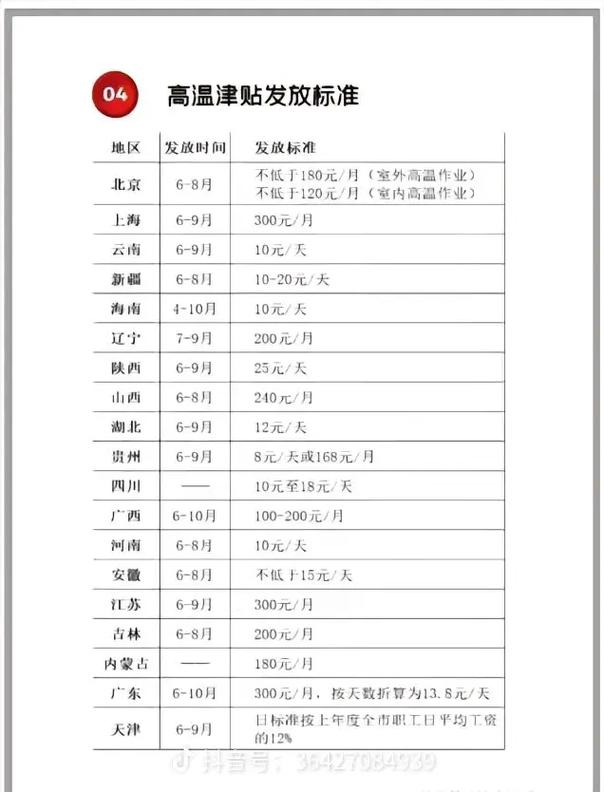
Henan province's criteria for high-temperature allowance: 1 and the period of the high-temperature allowance is usually from june to august, for three months. High temperature allowance is awarded at a rate of $10 per person per day. 3. High-temperature subsidies: work in open-air jobs. The employer is unable to take effective measures to reduce the temperature of the operation to less than 33 °c (excluding 33 °c). 4. High temperature allowance cannot be included in the minimum wage。
Besides, there are these problems
Zenium
Can the heat allowance not be paid
High temperature allowance, as a component of labour remuneration, is not a non-distributable “benefit”。
At the same time as the high temperature allowance is paid, the employer must provide workers in high temperature, high temperature weather and high temperatures with an adequate supply of hot and cold drinks and essential medicines, such as green bean soup, watermelon or related medicines。
Warm food instead of heat allowance
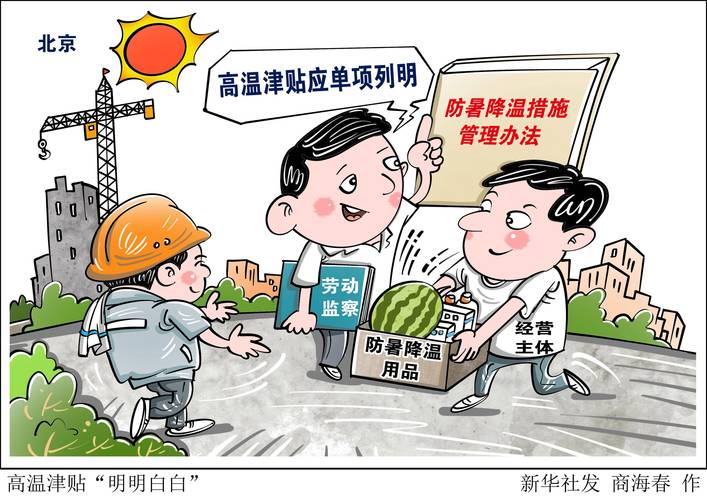
Some enterprises in the field have in-kind substitution subsidies for high temperature, such as watermelon, green bean soup and saliva. It's not working
The employer is required to provide workers in high-temperature jobs with sufficient heat-free, sanitary drinks and essential medicines. Money cannot be given as an alternative to the provision of summer cold drinks, nor should hot drinks be used as a substitute for high temperature allowances。
Can you get a heat allowance in an office
Workers in enterprises, enterprises and private economic organizations are entitled to a high temperature allowance in accordance with the law, provided that the employer arranges a high temperature job。
If your office temperature cannot be reduced to below 33°c, you can still receive a high temperature allowance。
Can you get a heat allowance for night shift
According to media reports, an employee working in a private enterprise was cancelled by the enterprise for night work, on the grounds that “night work is not a high-temperature environment”. Is that so
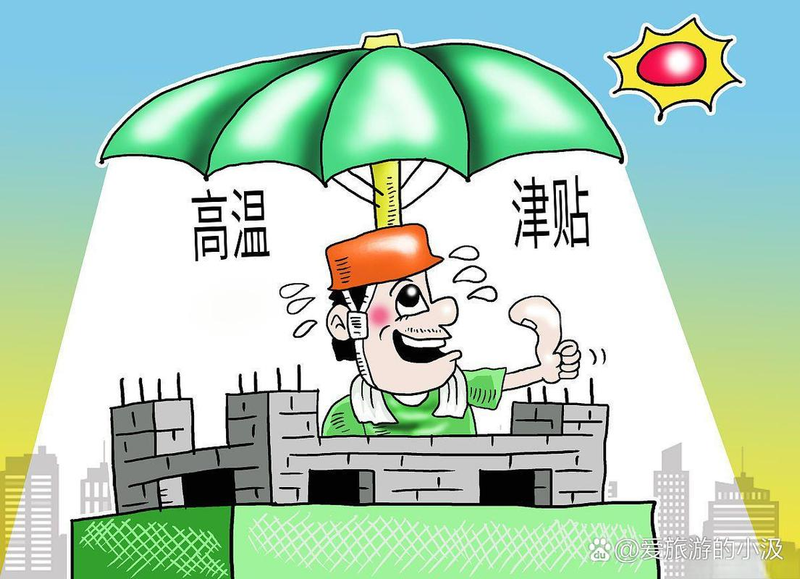
In practice, the heating allowance is not limited to day or night work. An employer who arranges for workers to work in the open during high-temperature weather and who are unable to take effective measures to reduce the temperature of the workplace to less than 33°c shall be paid a high-temperature allowance。
Therefore, if night work takes place and the temperature at the workplace is not below 33°c, workers should receive a high temperature allowance。
How do you lower wages with a high temperature allowance
The minimum wage does not include a temperature allowance and, therefore, workers ' wages may not be reduced by the granting of a temperature allowance。
Stopped working because of the heat
The regulation of summer temperature measures specifies that employers may not deduct or reduce workers ' wages if they cease to work due to high temperatures and reduce working hours。



