Best planting time
Spring planting
The orchids were planted in the spring, usually using sheds for seedlings in february, moved late in march and started harvesting late in may。
Autumn planting
Cultivation took place in early august, replanted in mid-september and opened in mid-november。
Main technical elements of planting
1 child breeding
In the spring and autumn seasons. The difference is to keep the temperature in the spring and control it. Watch out for the sun in the fall and avoid direct sunlight. The selection of pre-cooked, heat-resistant varieties in the spring and of cold-resistant varieties in the autumn is preferred。
The difference is:
Seed treatment, with 35 degrees of hot water and four hours of immersion, wash with fresh water, in the spring, where the temperature is kept, in the autumn, where the seed is sprouts at room temperature, and when the seed is exposed。
The nursery is to be so fat that it is torn deep. The next seven to ten days of full-scale application of fully decomposed organic fertilizer, combined with compound fertilizer, amounting to 3,000 kg per acre and 25 to 30 kg of compound fertilizer. A wet bed of 1. 2 metres wide, defined by the size of the plant, is normally established to plant an acre of 20-30 square metres。
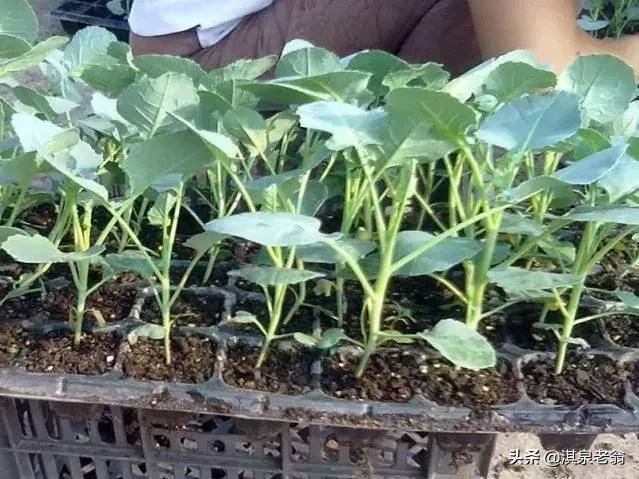
The seedbed is soaked with water at a time, and the seed is soaked with wet soil that it is not so deep that it covers the seed (0. 5 cm) as long as the seed is not seen, otherwise the top soil becomes difficult and results in a shortage of seedlings, which are grown around 20 g per acre。
Temperature protection and shade of the sun, and spring breeding, ensure temperatures of 25-30 degrees in the shed before seeding. The seedlings were kept at 15-20 degrees during the day and 10-15 degrees during the night. In the autumn, seedlings are covered with sunnets on their sheds to protect them from strong light。
It is necessary to keep the nursery bed wet during the nursery period, to prevent dry and dead seedlings, to water the dry and wet principle, and to prevent heavy and heavy water from flooding with small water. The seedbed phase consists of two saplings, which are produced and removed, and two saplings at a distance of about 2 cm。
2. Deplantation
Rotation of the field for foot bottom fertilisation: to combine organic fertilisation with chemical fertilisation, to the extent possible, and to the extent possible, to achieve full nutrients without the application of nitrogen fertilization. Ordinary acres are exposed to organic fertilisers of three quarters and triple compound fertilisers of 40 to 60 kilograms. Fertilizers are applied deep and smooth。
Replanting time: spring end march or early april and autumn mid-september。
(b) standards for seedlings: in the 30-day age range, there are four or more real leaves, short tubing, thick green leaves, well-developed roots, disease-free。
Density: 60-55 cm range, 45-50 cm range, approximately 2,400 cm
Orchids are to be flat, not to be crooked to the east, so as not to affect later growth, then water is to be poured into the ground, and so water is to be reduced. When planted, the seedlings have to be planted separately and the seedlings have to be protected。
3. Field management
China: three times during the whole reproductive period, first rowing after the end of the sapling, starting with five to seven days of sapling to promote rooting. In the early stages and before the closure, the fertilisation was combined。
Fats: after a crease, one or two new leaves grow and fatten for the first time, 5 to 10 kilograms of urea per acre. In the early days of the decalogue, the florist just swelled up again. 10-15 kg of composite fattening with phosphorus。
Water: water must not be scarce throughout the whole reproductive period, and water should be poured in a dry and wet manner, i. E. Dry. In particular, during the booming season, water was essentially poured the following day to prevent a decline in the quality of the plume due to lack of water。
Insect control: common pests have roots, frosted, soft rot, etc., which are sprayed with mercuric acid 400-600 times the fog, or 4 per cent with chronin 800-1,000 times the spray, and can also be embed with new cocin. Insects include larvae and aphids, which are treated with a dilution concentration of 500 to 1,000 times the sourbacterium formulation and 500 to 800 times the bt emulsion。

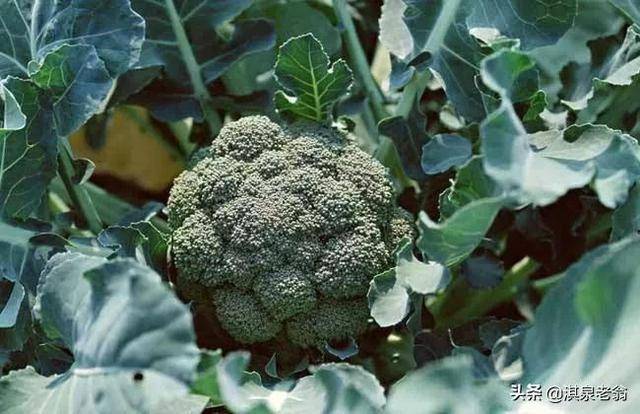
Collection in due time
When the balls are fully expanded, the buds are not yet open for harvest. Early harvests affect production, late-time bud opening, quality and selling prices。