When the tide comes, a lot of garlic farmers panic and pour cold water to the garlic, but people get colder, the garlic is aging, and when it's serious, it's even gone! In fact, garlic-freezing water is not “useless” and it is the "three without two" that is the key to the old garlic farmer's secret – not only to keep the garlic at a low temperature of 15 degrees below, but also to lay a solid foundation for an increase in production in the coming year, but to speak today about the practical techniques of keeping it alive and growing its production, and to keep new hands on it。
One, the golden season: two signals, one day in vain
At the heart of the anti-frozen water supply is the “time and place”, not to watch the calendar turn, but to stare at both signals。
Temperature hard indicators: surface temperature is stable at 3-5°c, night temperature is not less than 2°c and can be frozen during the day (i. E., “frozen day falls” as the elders call it). The northern garlic sector is generally delayed from mid-november to early december, and the yellow-weed area can be postponed until the end of november. At this temperature, water can be poured down into the 15-20 cm depth of the root layer, which does not freeze immediately, and it can form a “frozen layer of soil protection” to stabilize the ground。
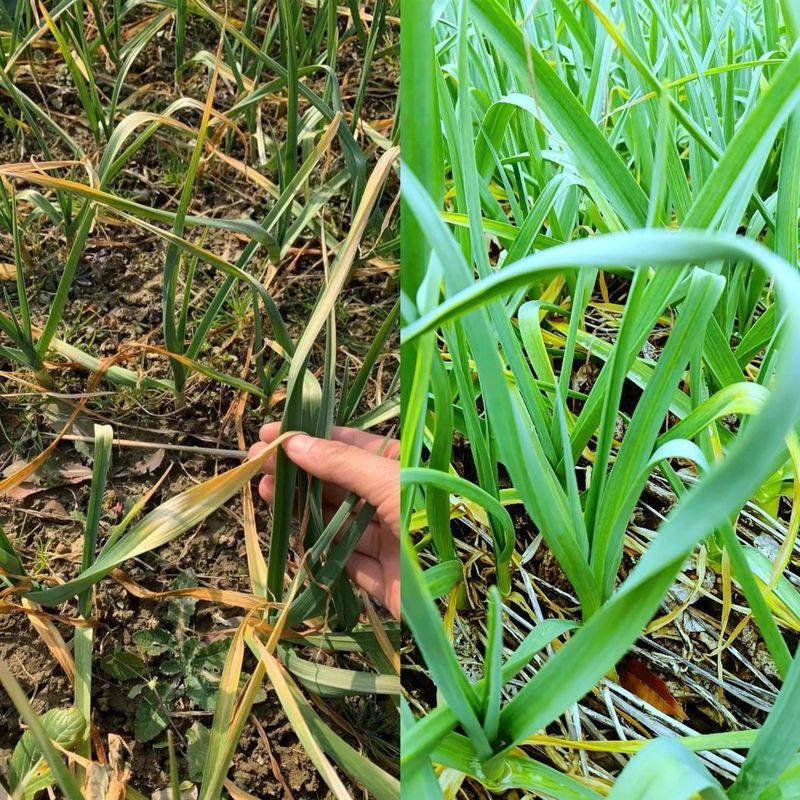
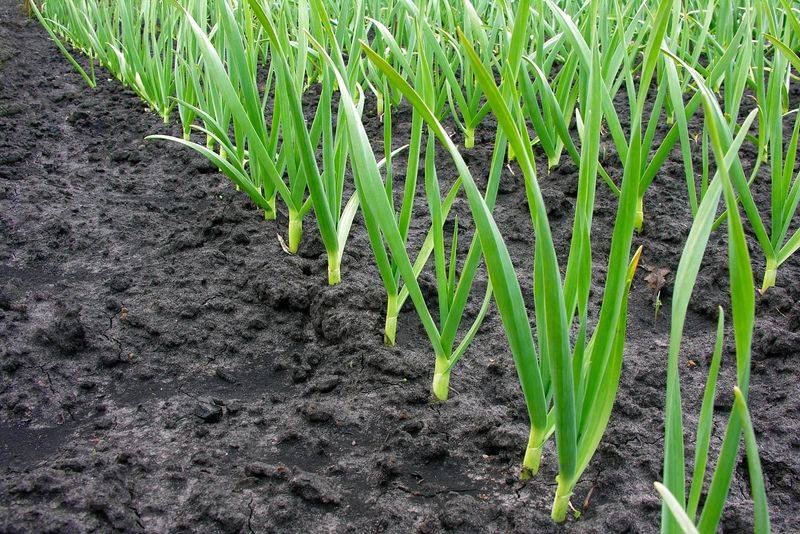
2. Accompanying the decision: while the garlic seed has grown to 3-4 leafs, the roots have stabilized but are not growing, and a piece of soil can be squeezed with its hand and scattered, it is time to water. If the garlic is taller, it can be properly silted, otherwise the water can grow longer and the resistance will decline。
Best time frame: 9-11 a. M. The sun warms the surface, the water is close to the temperature, the root system is not “drilled” when water is poured, the moisture is slowly permeable and it does not accumulate in the surface。
Two, three, no: these three times are watered, which is equivalent to "in ice" for garlic
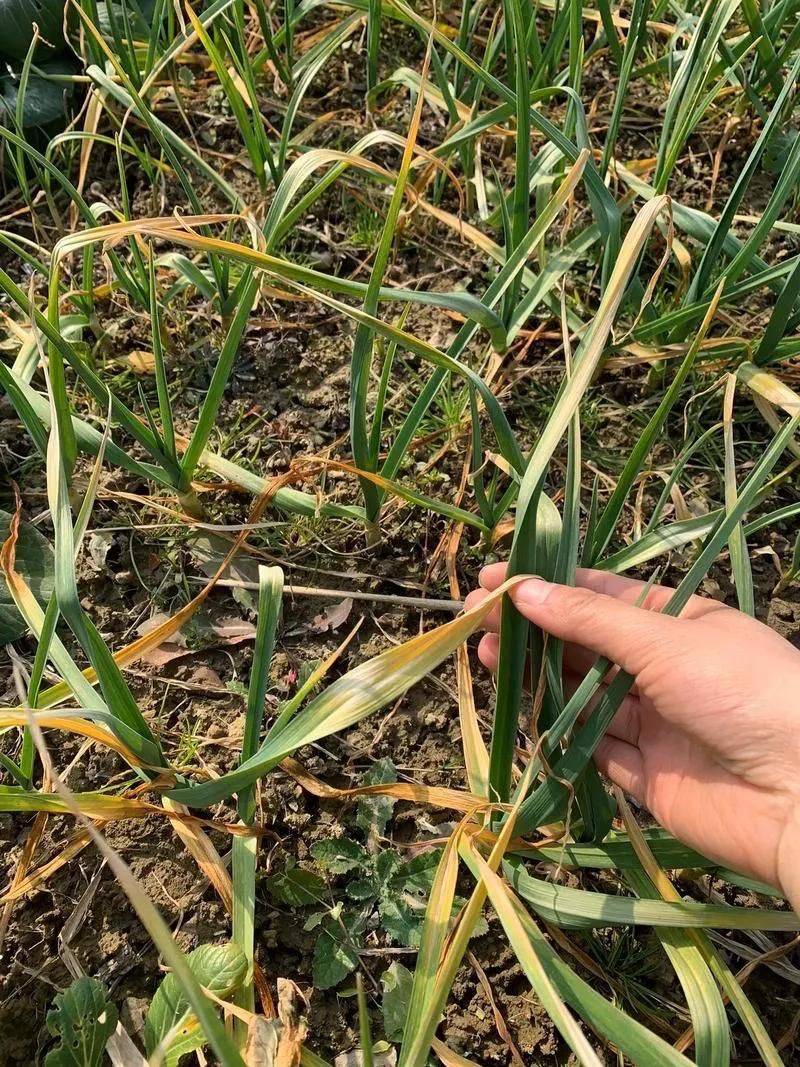
Many garlic farmers feel that it's “useful when you water it”, but it's worse than not to pour cold water over these three hours, which is how 90 per cent of the frostbite comes。
In the early morning hours, the temperature of the surface is lowest in the morning, and in some cases frosts are added, cold water is poured into the ice, roots are suffocated in the ice, roots rotting in three days, and the tip of the leaf quickly becomes purple dry。
2. No watering at noon: high surface temperature at noon, cold water at this time, sudden cooling of the ground, damage to the fine roots of garlic seedlings, a significant reduction in the capacity to absorb water for fatting, and a slow return to youth。
At night, when the temperature is low, the water evaporates slowly, the soil is wet and cold, the air is poor, turning into a “hotbed” for asymptomosis and morbid diseases, and garlic seed is not only freezing, but also disease-prone, which is a piece of shit。
Three, two must do it. After two steps, it's double the resistance
It's not enough to water it over time, either of these steps is not in place, and the anti-frozen effect will be compromised, and the garlic farmers call it the “key hand to close”。
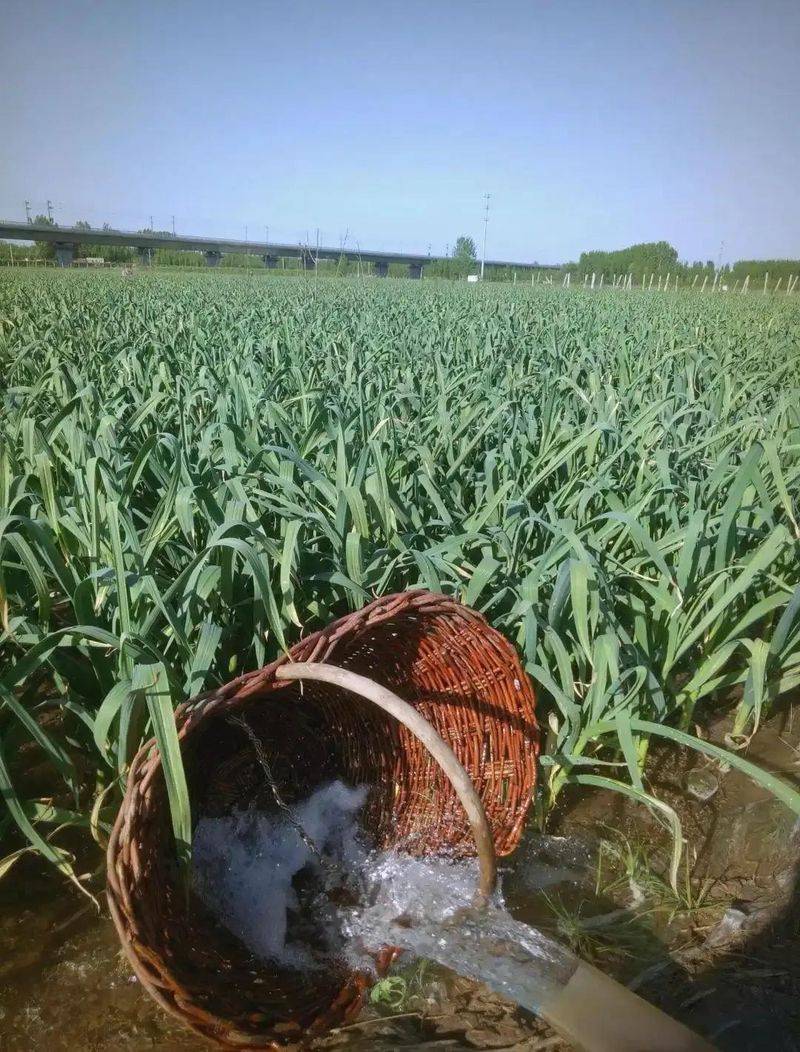
Water should be “sweet” and not pour: small water should be preferred by slow or drip irrigation, with water per acre being controlled at 40-60 cubic metres, as measured by “water permeation”. If water overflows, it not only runs away from the nutrients on the surface of the soil, but may also wash out the garlic roots and become more susceptible to freezing in cold winds. When water is poured, the soil is removed by hand and the 15-20 cm deep layer is just as wet。
2. The two steps after which the water can not be saved or warmed and nourished are: the first step, when the soil is dried slightly (approximately 1-2 days after the water has been poured), when the surface of the ground is broken with a soak, it can reduce the evaporation of the water and allow the soil to vent and avoid stifling; and the second step, when 5 to 8 cm thick shredding is covered, a layer of decomposition of sheep dung or farm fat is placed on it, the water is prepared to protect the temperature and locks, the manure can be slowly fertilized after spring, and the soil can be improved by three steps. In the case of membrane garlic, slow-drinking water is to be poured, so that the membrane is not washed out, the soil is to be pressed in time to prevent the wind from drilling into the membranes。
Iv. Additional anti-frozen tactics: 1 leaf spray and doubling of the frozen resistance of garlic
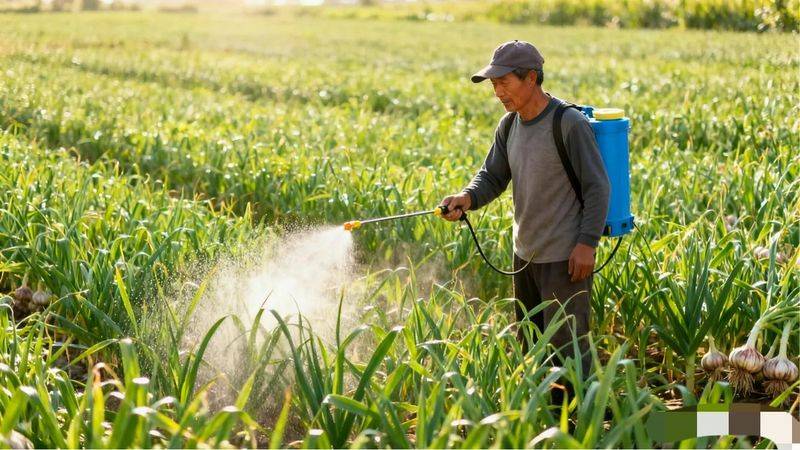
Before freezing water, a blend of garlic leaves is sprayed at a cost of less than $5, but it increases the resistance of garlic. Specific practices: 100 pounds of fresh water with one pound of red sugar and two doses of potassium dihydrohydrophosphate, evenly mixed and sprayed on garlic leaves with a sprayer. Red sugar can add energy to garlic seedlings, and potassium phosphate can increase cell wall thickness, increase resistance to cold, thicker garlic leaves after spraying, and less than 15°c can easily be frozen。
V. Special cases are flexible and do not die
1. Continuous rain, snow and moisture of the soil: do not pour anti-frozen water, otherwise the soil is smothered and prone to disease, until the soil is dried up
Dry soil cracks, garlic rolls: “save life”, regardless of time, small water is quickly watered to alleviate the drought, so that the soil is released and oxygen is avoided
3. Obsolete soils: delayed water + reduced water volume, such soils are good for water conservation and are more susceptible to strewn roots and can be ploughed in small amounts in two intervals of 3-5 days。
Six, these missteps
1. Refrain from the use of undefaded manure: roots are burned when fermented with manure and eggs are brought with the disease, with the use of fully decomposed goat manure or farm fat
2. Don ' t be premature to cover: before december, the membrane is more likely to be long for garlic seedlings, to be cold-resistant and to be more secure when temperatures are stabilized below 0°c
Do not water “semi-cut water”: only wet surface soil, with water scarce at its roots, or freezing in the cold winter, must be watered to 15-20 cm deep。
In fact, the heart of garlic protection against freezing water is simple, namely, to hold on to the temperature of the “frozen day” and avoid the three pits of morning, noon and night, so that water can be poured out of the water, together with shallow beaks and cover, both to stabilize the temperature and to reduce the amount of garlic mackerel that goes through the winter, so that in the coming year the garlic will return to its early years, it will be divided and the garlic will grow. Don't hesitate. Do it this way. The garlic will be very productive this year
# garlic anti-frozen water #