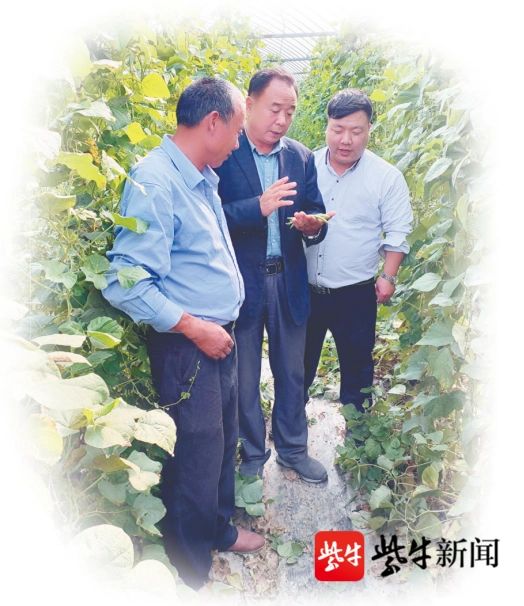
Potato cultivation is not simply inserted into the soil, and many mistakenly believe that it is easy to grow but simply to insert seedlings into the soil. However, this simple method of planting does not always yield good harvests. In order to ensure the healthy growth of the sweet potatoes, we must deepen our understanding of the factors that affect their growth and acquire a scientific set of planting techniques。
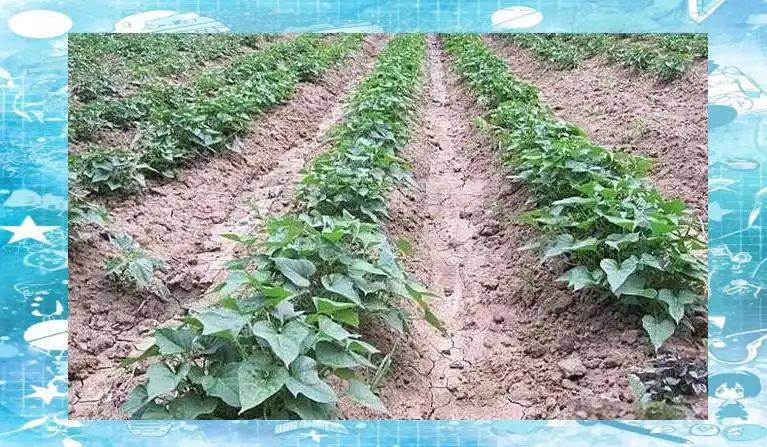
Preparedness and techniques for the cultivation of red potato 01
Choice of the potato variety
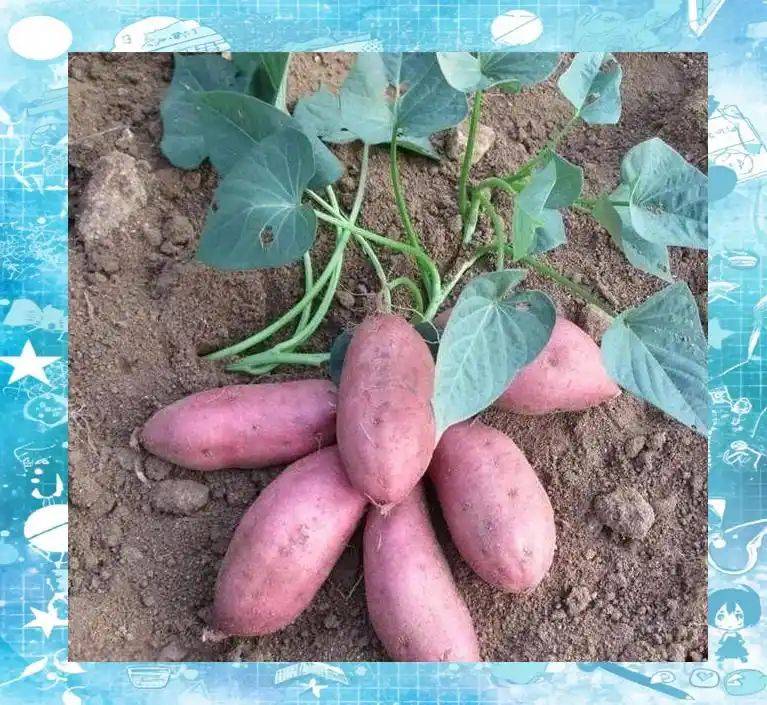
Different varieties of sweet potatoes have different environmental requirements. The choice of varieties of potatoes is essential for their growth. Different varieties of sweet potatoes have different needs for the growing environment, and the quantity and quality of potatoes vary. For example, those potatoes grown in the south, if moved to the north, may not be able to produce the potatoes or be stunted because of the climate. Similarly, different varieties of sweet potatoes are grown in the same place in different ways. Some of the potato varieties produce large and long roots, others small; some have smooth surfaces and others have different forms. Therefore, the selection of suitable potato varieties is a critical step in the cultivation of potatoes。
Select the suitable potato varieties
There is a large variety of sweet potatoes on the market, and for ordinary farmers the preference is to choose the familiar varieties they have seen. The variety of sweet potatoes can be selected more wisely by reference to other people's planting experience and by field visits to understand the growth status and characteristics of the various varieties。
Criteria for selecting seedlings and roots of red potato
We need to follow certain criteria when selecting seedlings and roots of red potatoes. The choice of healthy seedlings and roots in shape is the basis for high yield quality. The seedlings should be healthy, disease-free and have better growth. On the other hand, the roots of the red chips should be selected for individuals of moderate size, symmetrical shape, smooth skin and without damage。
Land rehabilitation and preparation
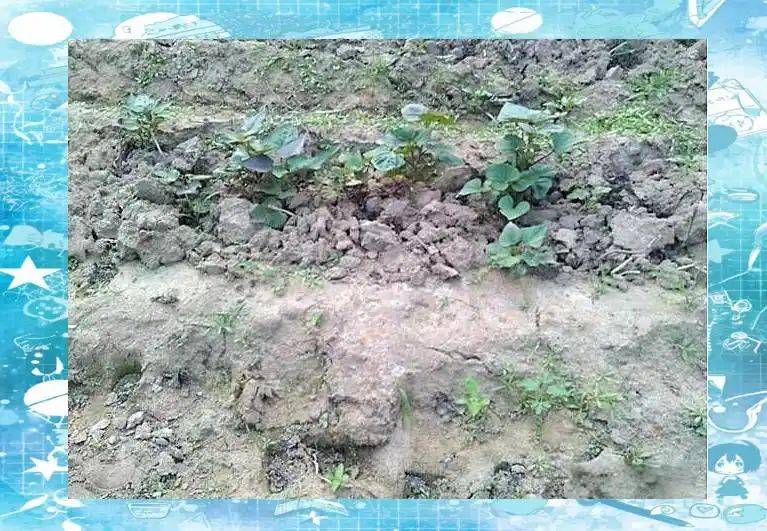
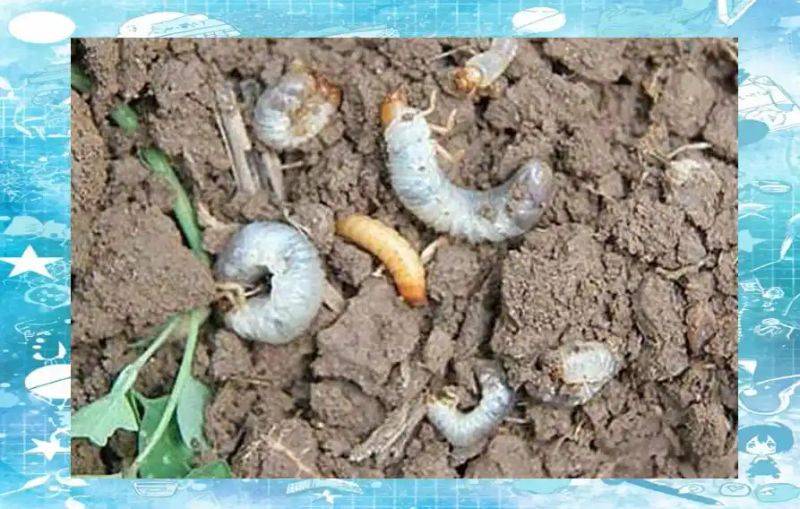
Land conversion is essential for the growth of the potato. The rehabilitation of the land is essential before the cultivation of the cassava. Since all lands were originally living, the soil was impurities and relatively large hard fragments, and sometimes the soil was too tight to form hard mud. If the potato is grown directly on such land, once the sun is tanned, the soil forms hard blocks, thus hindering the extension of the root of the potato, thereby affecting its growth. Therefore, prior to the cultivation of potatoes, the land must be adapted appropriately to ensure healthy growth。
Importance of land rehabilitation
It might be thought that just pick a good piece of land, the problem would be solved. However, this is often not the case. For many farmers, their land resources are limited and often have only one or two options. Therefore, in the face of the infertile nature of the land, we must transform it to improve its quality。
Land reclamation and disinfection
Deep flipping and disinfection are important steps towards soil improvement and pest eradication. Farming, which is essential to improving the quality of land, is a fundamental part of this process. Before growing our crops, we would have to do a deep roll-and-throwing of the land with the aim of breaking the slabs of the land, turning large areas of the soil into mud, and stripping the roots of the weed together. This step is not only fundamental but also critical to the cultivation of potatoes。
Farmer fertilizer and soil conservation
Soil conservation of land is an important link. The use of farm fertilizer for soil conservation is an important measure to improve the production and quality of potatoes. In the case of potato cultivation, the old farmers used to say, “the land is uncultivated and empty”. The importance of breeding land, which is undoubtedly the key to the harvest, was emphasized。
Build an effective drainage system
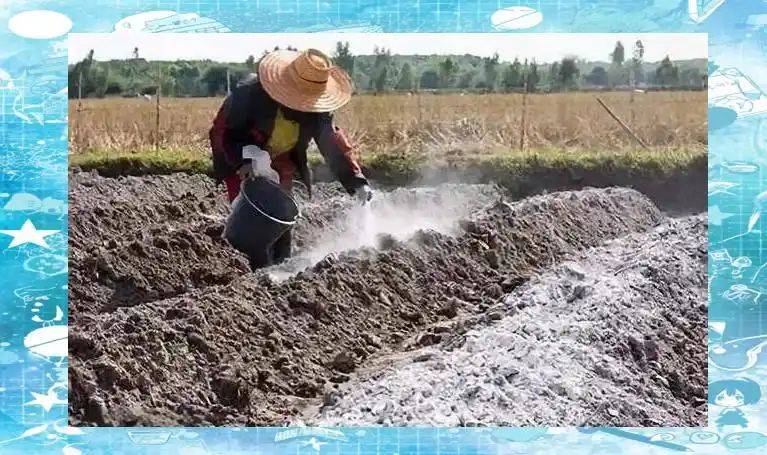
The construction of a good drainage system is particularly important in the cultivation of potatoes. The rise of a ditch helps to drain water and to ensure healthy growth of the sweet potatoes in damp conditions. Thus, during the rainy season or when soil moisture is high, the potatoes are better able to withstand immersion and ensure healthy growth。
02 long-term management techniques for red potatoes
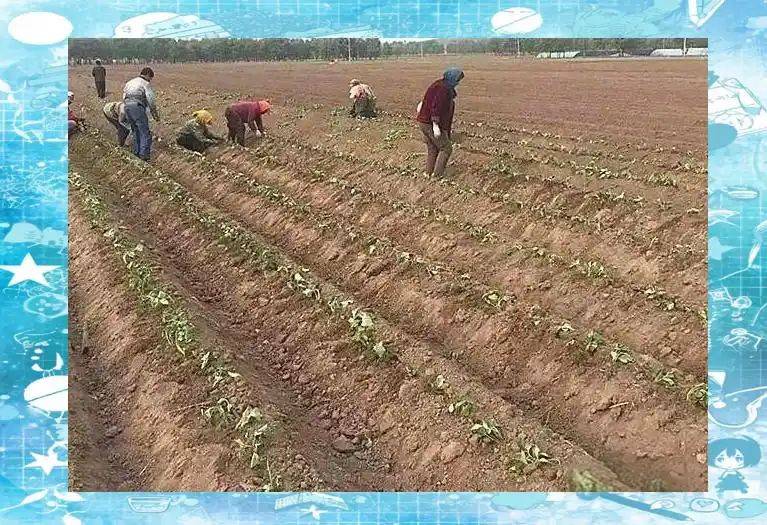
Management of the saplings of red potatoes in due course
During the growth of the sweet potatoes, we need to pay close attention to their growth and take management measures accordingly. This includes regular weeding, pine soil and pest control to ensure healthy growth of sweet potatoes。
The skills of seedlings and replanting
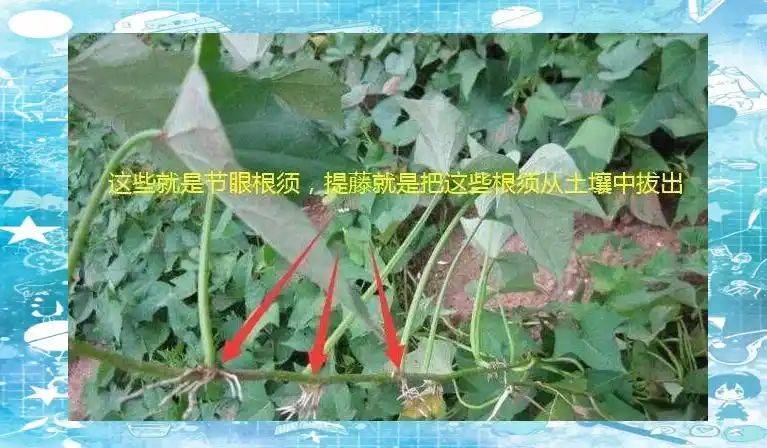
Saplings are regularly inspected and managed to prevent the competition between roots and roots and to ensure healthy growth. The cultivation of sweet potatoes is not just as simple as the soil, and management at a later stage is also essential. If the cassava is allowed to grow without intervention, it may touch the soil and take root. These roots, which have to go deep into the soil, compete with the roots of the cassava, seriously affecting their growth。
A strategy for growing up
Fertilisation in the long seed and long root phases
Fertilization strategies at different stages of growth can promote healthy growth of red potato seedlings and roots. We need to focus on the balance of the three key nutrients, nitrogen, phosphorus and potassium, in the growth of potatoes. Nitrogen fertilizers can effectively contribute to the growth of vines and leaf blades during the long root phase, while phosphorus fertilizers and potassium fertilizers can effectively stimulate the growth of roots。
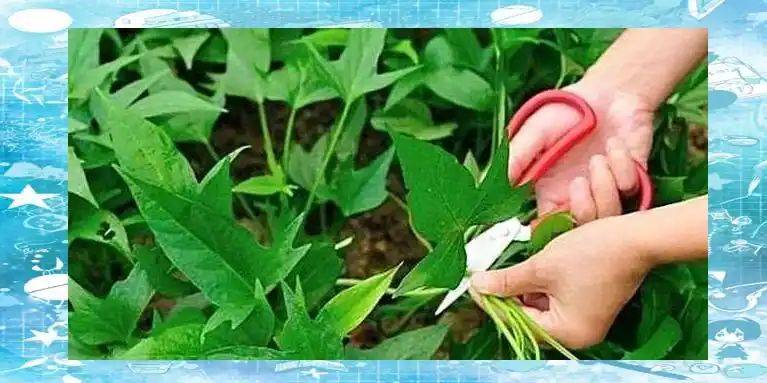
Pest control and health monitoring
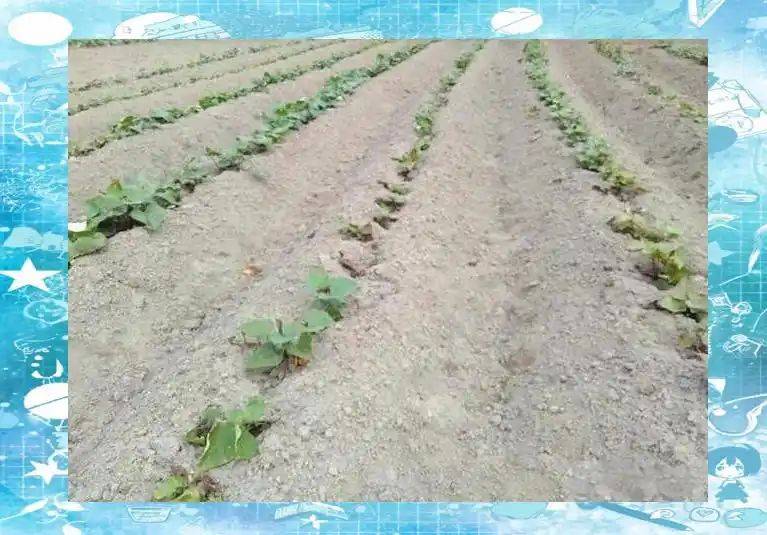
As we grow, we often face the challenges of various pests. The growth of sweet potatoes is regularly checked and appropriate pest control measures are taken to ensure high quality production. For example, the root of the red potato can be rinsed, using proportionally diluted sterile insecticides, which can both kill current pests and prevent future pests. In short, we need to pay constant attention to the growth of potatoes and to provide adequate care to ensure that they thrive。