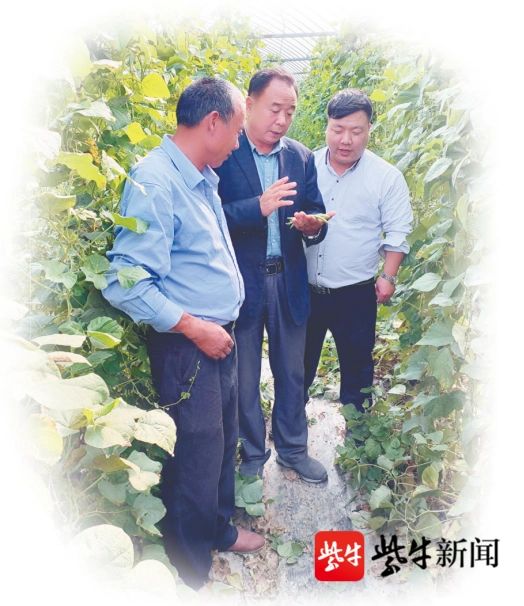
Many of those who grow garlic have been confused that while they water and fertilize, the garlic tends to lean to the point of yellow leaf, and that the garlic is thin when they harvest, and that the season is a waste of effort。
In fact, garlic is a "tempered" crop, watering and fertilizer, "seeing the seed, looking at the time, looking at the earth," and blind operations are counterproductive。
Today, in combination with the field experience of the old vegetable farmer and the scientific techniques of growing, the core elements of garlic watering and fertilizing can be explained
First of all, watering, which is the "lifeline" of garlic growth, is completely different at different stages, and one wrong step can easily cause problems。
This is a critical period for garlic to take root before seeding, and it must be ensured that the soil is wet and dry, immediately watered, and that the garlic petals and the soil fit closely together, so that the seedlings can come out in 7-10 days。
If the soil drought results in the loss of seedlings, it is only possible to refill the water so that it is not cultivated so that the sprouts do not affect growth。
After seeding, the temperature gradually decreases before winter, the garlic seed system is weak and the amount of water required is reduced, following the "dry-and-wet" principle, and a slight soil drainment can lead to deep-seated roots and increased resilience。
But it can't be too dry, otherwise garlic seedlings will dry up because of water shortages
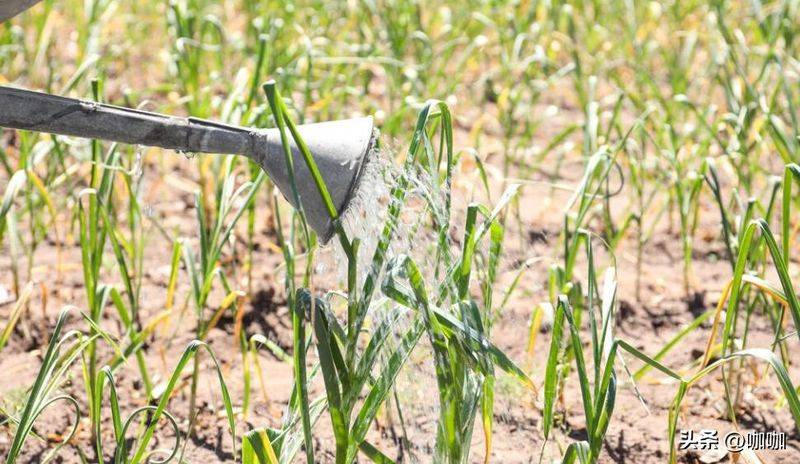
The winter water is the shield of garlic for the safe passage of winter, but not all plots need water. The soil is rinsed only when the soil is dry and the soil is not moist enough to prevent the accumulation of water from causing the roots to rot。
More crucial is the timing of the water, and it is necessary to select the weather day at noon to ensure that the soil is absorbed after the water is watered and that it does not freeze at night, otherwise garlic is vulnerable to freezing。
Land like shandong covers garlic grown with membranes, with no extra weeds in winter, water once before freezing, and with the conditions for a small amount of urea to help grow strong seedlings
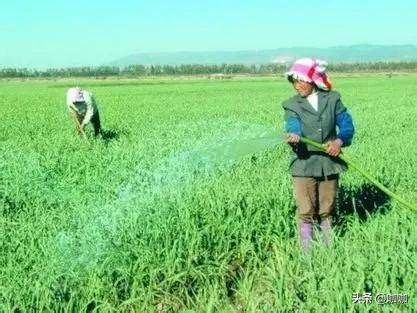
When the spring comes back, garlic enters a fast life, and the temperature rises quickly and evaporates, at which point there can be no shortage of water。
It is necessary to keep the soil wet and dry on the surface so that the moisture is sufficient to allow the leaves to be thick and thick and to accumulate nutrients for pumping and garlic。
It is a critical period for garlic water, which accounts for about 40 per cent of the total amount of water required for life, usually every five to six days, but the water must be stopped three to five days before the extraction, otherwise the garlic is too thin and can break at harvest。
It is necessary to maintain water stability during periods of increased garlic expansion, which results in the fragmentation and quality of the garlic; the complete suspension of the water 10-15 days before the harvest and the drying of the soil, so that the garlic is so hard as to increase the spicyness of storage。
Also, it's important to be aware that when water is watered as much as possible in the morning, it can make leaves damp for long periods of time, causing diseases such as flate, asphyxia, etc
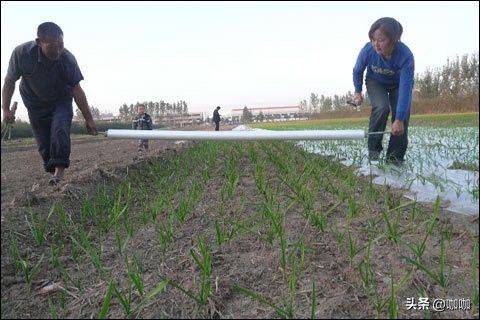
In the application of fertilizers, the principle of "baby-based and accurate" should be followed, with different stages of emphasis。
The application of base fats, which are the basis for high yields, is used to produce 3,000-4,000 kg per acre of decomposition, 50 kg of calcium phosphate and 20 kg of potassium sulphate, with deep tillage allowing for full mixing of fertilizers and soil, both to improve soil structure and to provide comprehensive nutrients。
Remember that you can't use raw shit, or you'll burn garlic, and you'll cause garlic maggots

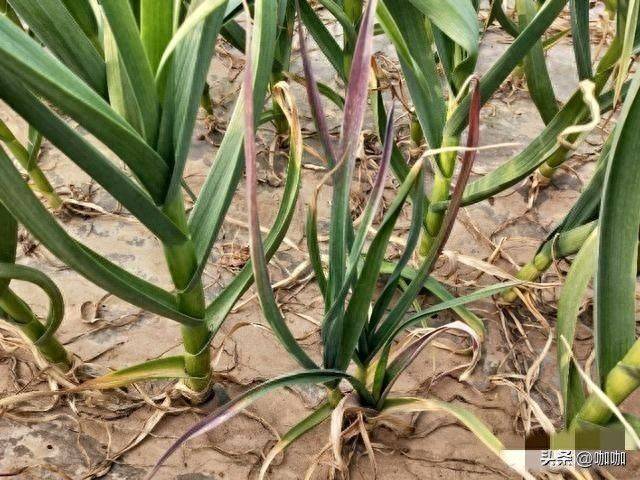
We need to catch two key nodes. The first is when garlic grows to four to six leaves, when garlic mother's nutrients are exhausted, and roots begin to absorb nutrients independently, often referred to as "retire period", which, if they are not sufficient, is bound to dry the leaves。
This phase is dominated by nitrogen fertilizer, with 15-20 kg of urea per acre, or decomposed human urine, soybean water, which must be fertilized with small water, so that nutrients can penetrate the root system and increase utilization。
The second node is the suction and garlic swelling periods, during which nitrogen fermentation cannot be applied alone, combined with potassium nitrogen phosphorus, which can be applied to 20 kg of ammonium phosphate per acre, 15 kg of potassium sulphate, or special garlic fat, which can contribute to the robustness and rapid expansion of garlic。
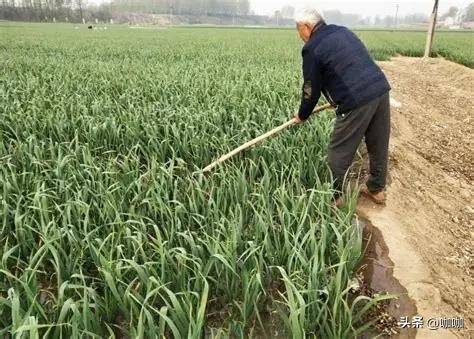
It is also possible to spray potassium phosphate once on the side of the leaf after harvesting, to extend the life of the functional leaf and to allow garlic to accumulate more nutrients。
There are also a few details of pit avoidance: fertilizer is applied in such a way as to avoid direct exposure to the root system, and can be applied in shallow ditches between the lines。
During the rainy season, water is drained in a timely manner, while garlic is afraid of flooding, and water can be accumulated for more than 24 hours at the root。
If there's a point of yellow leaf dryness, in addition to adjusting fat water, care whether there are pests such as garlic mackerel, mackerel, or folate, etc., to treat the disease in a timely manner
End:
It's simple to plant garlic, but water and fertilise。
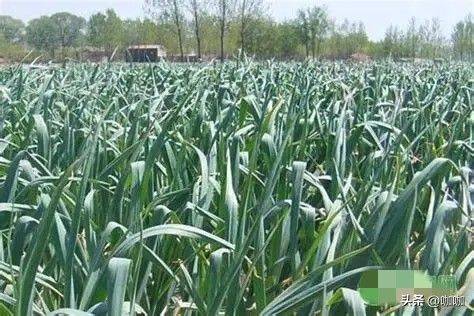
Controlling the demand for fat water at different stages of growth and avoiding the errors of blind watering and nitrogen fertilizer can make garlic grow strong and non-yellow leaves, and when it is harvested, the garlic is full of crushing branches。
What problems do you have with garlic? Please leave a message in the comment area and share the solution