As we wander around the streets of the city or into the old countryside, we often see trees that are thick and fragrance。
As a traditional native species of china, the country has a rich cultural content and deep emotional memory。
However, it is perplexing that such trees, which originated in our country, have been given a japanese school name at the international level。
And what is the story behind this
Sanctuary
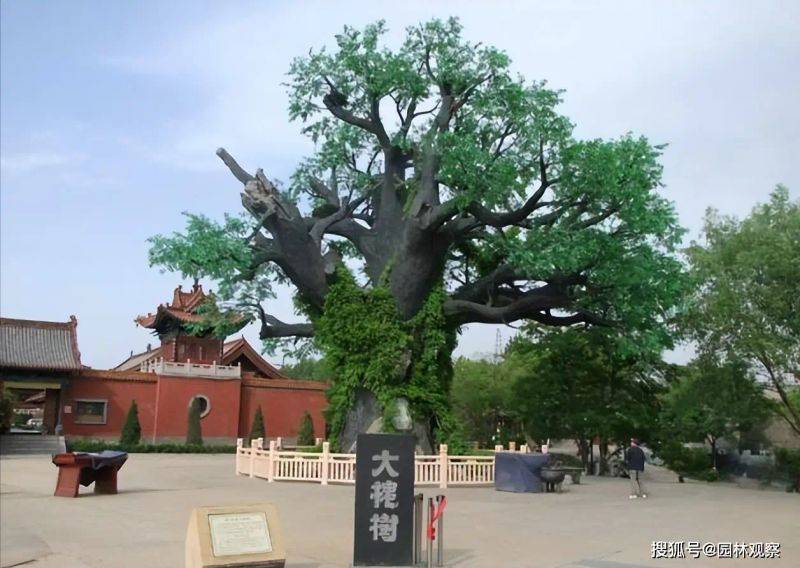
Original name: linnai and vegetables
To solve this mystery, we need sweden back to the eighteenth century。
At that time, a museum scientist named carl linnaeus was categorizing and naming thousands of organisms in nature。
Linnai was hailed as the “father of modern plant taxonomy” and his work provided a solid foundation for subsequent botanical research。
For the first time, in linnai's book entitled "species plantarum " , he named sophora japonica

The term “sophora” here is the name to which it belongs, while the term “japonica” is derived from latin, meaning “japan”。
This designation, which appears to be inconsistent with the origin of the country's herd, actually reflects the perception and naming habits of east asian plants in europe at the time。
In the eighteenth century, european botanical scientists often referred to plants from east asia as “japan xx” or “china xx”, both because of their difficulty in distinguishing the exact origin of these plants
Of course, it also reflects the influence of the silk road, the main channel of trade and cultural exchange between east and west at the time。
The ancient trees of our country
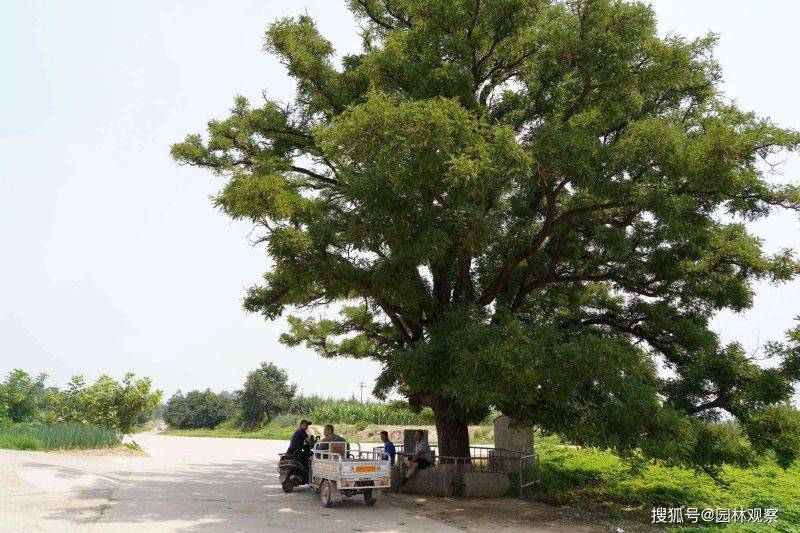
Subsequent naming and classification: german botanist schott's attempt
Although the name sophora japonica has been widely used in botanical circles, in the nineteenth century some botanical scientists began to attempt a more detailed classification of the species。
In 1831, german botanical scientist schott renamed styphnolobium japonicum。
However, this new name is not widely accepted and used。
This is mainly due to the fact that schott's classification system was not widely accepted at the time and that his naming was not widely followed by botanical communities。
Sanctuary
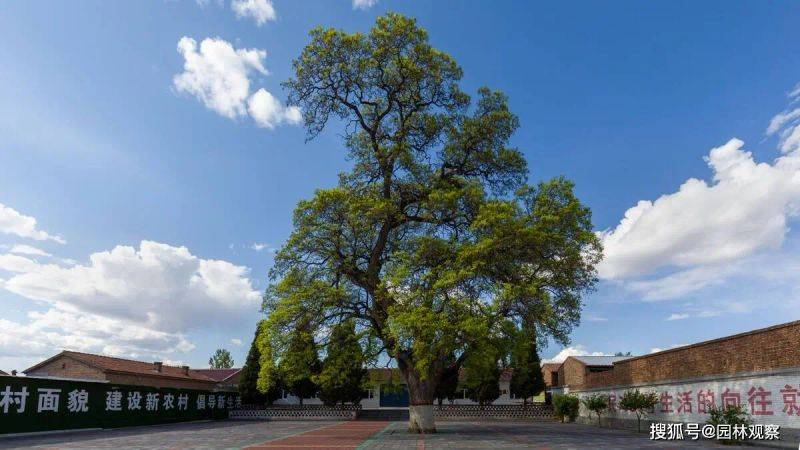
Further classification and description: contribution of multiple plant scientists
In the nineteenth and twentieth centuries, many botanical scientists conducted more in-depth research and classification of eucalyptus. These efforts include not only a description of the herb tree itself, but also comparisons and distinctions with other plant species。
These studies reflect the latest results of plant taxonomy at the time and provide the basis for subsequent studies。
Among them, botanicalists such as decaisne (dc.), forb. Et hemsl., levl., rehd. And merr. Have made important contributions to the classification and description of the country's trophies。
Through field visits and laboratory studies, they have revealed the biological and ecological properties of the acreage and have provided valuable information for subsequent studies。
Zirconian sidewalk tree

Change of name in chinese: convergence between tradition and modernity
In the ancient days of our country, they have been called euphemisms, or figs, or the preservation of palaces
In recent times in china, the qin has been known as the “state queen”, the only tree in our country with the word “state”, and its place and importance in the minds of the chinese。
However, in different historical periods and in the literature, the chinese name of the eucalyptus can also change。
For example, in chen shui's " china tree classification " , euphemisms are described and classified in detail。
In china's main plant maps and bean section, a special chapter on eucalyptus is also presented with detailed illustrations。
These documents not only record the history of research in china, but also reflect the unique ways in which traditional chinese cultures name plants。
The old tree of the fairies

20th century: following the custom of engagements to date
Since the twentieth century, with the refinement of plant naming rules, there has been a growing realization that the name “sophora japonica” is at variance with origin and name。
However, since the name had been used for centuries and was widely accepted in the international botanical community, it had been decided to retain it in order to avoid confusion and unnecessary trouble。
In addition, in botanical circles, there are conventional rules governing the relationship between origin and name。
The international botanical congress is held in shenzhen every six years

For example, if a plant differs significantly from one region to another, it may be considered as a different sub-species or variants and given a different name。
For plants of wide distribution and consistent morphological characteristics, the preference is to retain their original name, even if their origin is disputed。
Therefore, the term japonica (japan) in the sophora japonica, which is the name of the school of guangzhou, cannot be changed to chensiensis (china)。
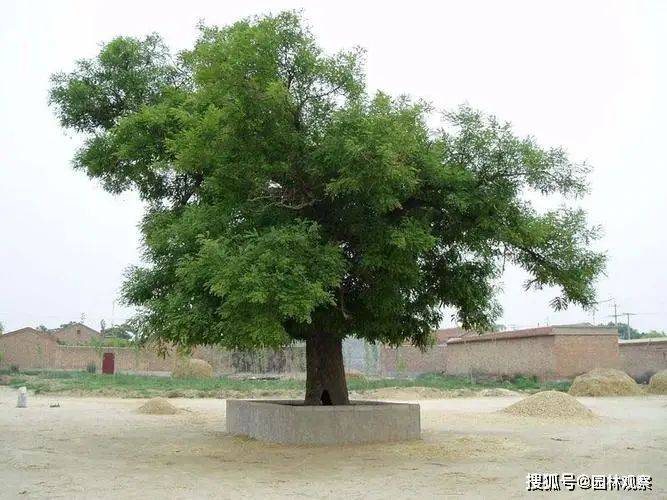
The original is clean and the name is corrected to 1831:
The latin name “sophora japonica” of the acacia, although not the same origin and name, is largely due to historical reasons and plant naming rules。
At present, the institute of plants of the chinese academy of sciences has followed the steps of the international plant society and has corrected the name "sophora japonica" of the guangzhou school to:Nicum (l.) schott

In 1831, german botanist schott renamed the styphnolobium japonicum。
Of course, whatever changes are made, it's still known in latin terms as the "jake."。
The botanical community has taken a number of measures to reflect, to the extent possible, the origin of eucalyptus, for example, by attaching additional instructions to the school name。

If you read the paper carefully, you should know now that the country of origin is home to us, but why is its international term called "japan"
Source of reference (institute of plants of the chinese academy of sciences):
Styphnolobium japoNicum|iplant plant intellectual - plant species information system