Now the garlic in the countryside looks like a day, leaves the leaves slowly turning green and yellow, and the garlic is getting tighter, leaving more than a dozen days to harvest. A lot of old farmers, starters and friends have come to this critical point: should we water? A lot of garlic can rot, a lot of petals can't hold; a lot of garlic can't be sold。
Many people watered with old experience, managed well in the early stages, followed in the last steps, spent much of their time working and lost much of their productivity and quality. Today, with my many years of old experience, i'm gonna end up with a bunch of people talking about how, when and how good it is to keep the door shut. It's all dry stuff from the ground. It's not a lie。
Let's start with the word "sealed water" from garlic. The simple white word is that garlic is about to be watered for the last time before the harvest, so that it can be watered as much as possible, so that the soil can be closed, the garlic can be stabilized, dry and wet at a later stage, so that the garlic can be protected from cracks, spreads, premature decay, and the whole of the garlic can be painted to a happy end。
Many farmers have two extreme fault areas for watering later, and i have been much more visible in the fields. The first is that it feels like it's coming. It doesn't pour a drop of water. Garlic is still growing at the end of the day, the soil is too dry, the roots are not absorbing nutrients, the garlic is so limited, the head is small, the garlic is dry, the skin is wrinkled, the buyer looks bad, the price is down and the season is full of effort。
The second area of error is close to harvest, which is so intense that it feels so big. It's the deadliest! It's near harvest, the garlic roots are less dynamic, the soil is too watery, it's less aerobic, it's easier to get in the ground. A piece of rotting petals; late water is too small, garlic is so fast to inflate, garlic is broken, it's so heavy, it's perishable when you take it back, it's much shorter, it can't be stored for long, it can't be sold at a good price。
So by the end of the garlic season, the water must never be watered, and the core should be able to seal the door: look, look, hold, eat at three points and manage at a later stage。
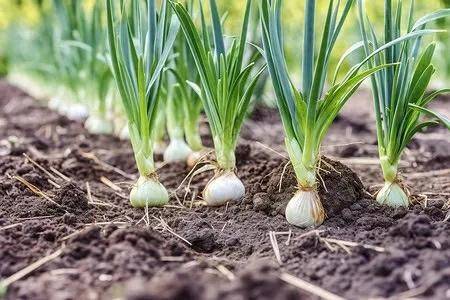
First word: look, look at the strength, look at the love, look at the weather. Water
It's never a dead rule to grow crops. We can't be watered. We have to see what's going on in our homes。
First, it looks like garlic is growing. The ground is green, with only a small amount of yellow leaves on the ground, indicating that the garlic is growing slowly and the root system is absorbing nutrients. This is a piece of land that must be watered with water. If most of the leaves in the ground are yellow, the strains are clearly and early, and the garlic is basically stylish, there is no need to pour any more water, so that the small water can be warmed。
Second, the soil. Sands are poorly watered, the soil is prone to dry and white, and must be watered at a later stage; adhesive land is thick, strong in water conservation and soil moisture is so much wet that it is less watered, later or less watered; and the edges are the most secure and normally watered according to the damp level. Grab a piece of soil with your hands, which can be loosed and scattered, and you can't drink it; it's hard, it's dry, it's dry, it's dry and it has to be filled in time。
Finally, the weather. In the last few days, the weather has continued to clear, the temperature has increased, the soil has evaporated quickly and the door water has been sealed in advance; if the weather is consecutively cloudy, the air is very wet and the soil is soaking that it cannot be watered, it must be drained in time to prevent garlic from rotting. It is important to avoid heavy rains, high temperatures and midday, and to choose the best morning or evening。
Second word: correct, correct watering times, sooner rather than later, without the red line
Garlic seals the watering time and directly determines the quality of the garlic. Time is not chosen. It is better not to。
The normal time when we're exposed to garlic, 12 to 18 days before the harvest, is the best time to water the doors. At this point, garlic leaves can also provide normal nutrients, and garlic enters its final form, so that it can be filled with water, and the garlic is full and bright。
Remember a red line: water is strictly forbidden within seven days of harvest. The water is too close to the time of the garlic extraction, the soil is too wet, the amount of the garlic is too high, the roots are broken and muddled when the garlic is pulled, the water is not volatilized when the tan is dry, the garlic is black, the garlic is soft, and the probability of the dispossessed petals is doubled. Many farmers are the last few days to pour water, and they spend their entire year in vain。
There is a slight difference between membrane garlic and open garlic time. The membrane garlic is well protected, the water is slow to spread, the water can be sealed at an appropriate late stage and can be watered about 10 days before the harvest; the field garlic is evaporated quickly, two to three days in advance, to ensure stable soil conditions。
Third word: steady, steady water, steady water, slow water, heavy water
The amount and manner of water is more important than when, and the core is steady and cannot rush。
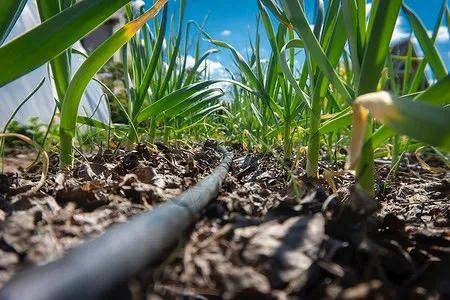
The amount of water is watered only with small and no heavy water. The surface of the soil is soaking, the ground is wet, and the surface is free of water and mud. Aqueous flooding can lead to a lack of oxygen in the soil, a rapid decline in root systems and a lack of oxygen in the garlic; slow water recharge and slow penetration, which can fill the moisture without destroying the soil structure, slow absorption of roots and steady expansion of the garlic。
In the form of water, garlic is sown in ditches, so that the water is slowly immersed in the roots along the ditches, without the garlic; it is grown flat, so many times so that water is not accumulated. Many farmers are now using membrane cultivation, membrane water protection and water irrigation to reduce the amount and, when it is completed, to absorb drainage and prevent the accumulation of water in ditches。
In addition to the water from the gates, i'll add to the small details of the field management that you have to do before the garlic harvest, which is easy for farmers to ignore, and the quality to go up the stairs。
First, the application of high nitrogen fertilizer is strictly prohibited in the later stages. Many farmers feel that they are about to collect, and it's a big mistake to take a little urea. Too much nitrogen is fat, garlic is green and ripe, leaves are long, garlic is slow to mature, has high water content, has severe dispersive petals, is perishable, and can easily attract pests and pests. At a later stage, if the strength is weak, a small amount of potassium fat can be used, garlic solidified, skin resilience enhanced, and nitrogen fat cannot be used。
Secondly, weeds should be cleaned in time. Weeds are later likely to take nutrients and also cover the light, affecting the maturity of garlic and the susceptibility to disease in a damp environment. Weeds don't have to be deep, they can be easily removed, and they can hurt roots and cause garlic damage。
Thirdly, heavy rains fill the water in time. Garlic is the last fear of water, and it's in the ground, and it's probably garlic in a day. After the rain, the drains are cleared and the soil is ventilated and the roots are not decayed。
Fourth, no random step. Close to harvest, the garlic is not deep, people move around the ground, easily stomping on the roots, pressing on the garlic, causing internal damage, and later storage is prone to deterioration and minimizing the number of downsides。
There's a lot of farmers who can't water after closing doors? And it is clear to all of you: when the door is sealed, so long as it is not particularly dry, do not water again. In the event of a prolonged high-temperature drought at a later stage, the soil is dry, so that it can be sprayed in small quantities and never watered. It keeps the soil steady and moist, the garlic is dry and wet, the skin is tight, the garlic is full, it's sold, it's stored, and the garlic is sold at high prices。
It's actually easy to plant garlic, and it's done in the front, sowing and fat, and it's done in the back. It is a pity that many farmers are in place to manage their farms before the last watering event, either small or heavy. Remember the three words of the watch, correct and secure water, which are adjusted according to the nature, strength, and flexibility of the weather of the plot, and which, in the light of the reality of the situation, can produce large, non-dispersed, good-quality garlic。
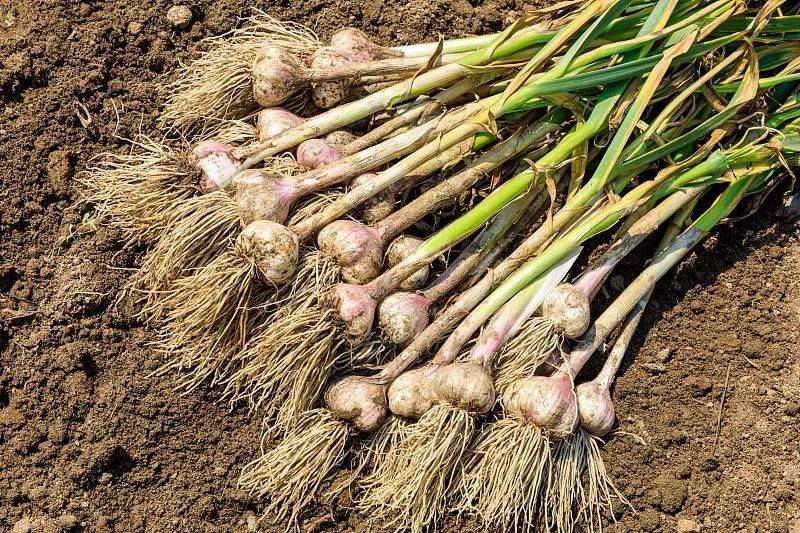
Rural land is grown not by force, but by experience and care. The water is so simple, there are so many doors inside and so many wrong steps. Our farmers spend a whole year trying to get a good harvest, sell more money and have a better home. This last step is managed in such a way as to avoid pedaling, and the quality of the production is raised, and the proceeds naturally come up。
Topical interaction
What's the strength of your garlic? Have you ever stepped on a pit before the harvest? Welcome to the comment section on your old experience with the local garlic watering
A sweet hint
This paper shares only the experience of individuals who have had many years of field exercise, and where there are differences in climate and soil quality, farmers can adapt their methods of watering in a flexible manner in the light of the actual situation on their own plots, scientific management and the preservation of garlic harvests。