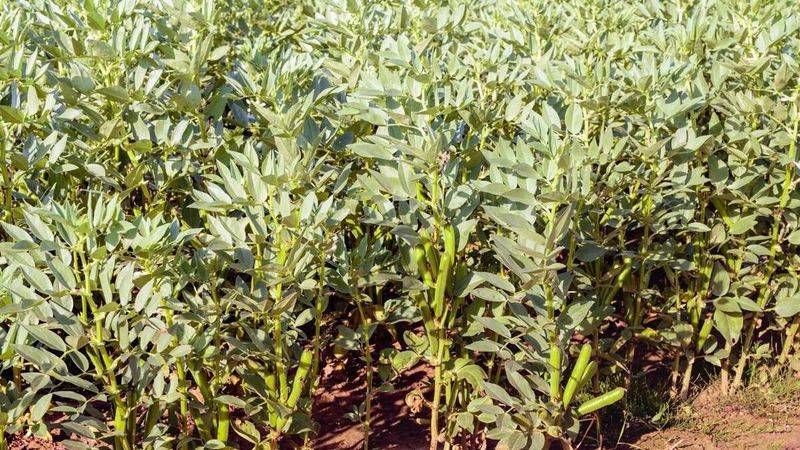
• reporter of planting measures for muscular beans: date: catalogue contensation techniques for fertilizing fertilizing pests and pest control techniques for harvesting and storage plant techniques 01 selected sandy or slimy fields with deep, fertile soil, well-drained and organic soil. The whole area needs to be grounded and applied to base fertilizers, which are mainly organic fertilized, with 1,500-2000 kg per acre applied to decomposition farmers, 50 kg of calcium per phosphate and 15 kg of potassium sulfate. The site and landscape select the right time to sow according to local climatic conditions and planting systems. Seeding is done live or by seedlings. Live broadcasts are seeded at long distances on well-established land; seedlings are grown in protected or open areas, and when the seedlings grow to a certain extent. The seeding method is based on planting density and seeding. The average seed rate is 8-10 kg per acre. The sowing density is determined by soil fertility, variety characteristics and local climatic conditions. In general, the density of cultivation per acre is 15 to 22,000. In order to improve yields and quality, planting needs to be accompanied by a rational allocation of bean varieties. In general, the same field should be grown in a consistent manner to avoid mixing. Density and fertilisation require 2-3 fattening during the growth of the beans. The first was urea 5-8 kg per acre during the nursery period; the second was urea 10-15 kg per acre and potassium sulphate 5-8 kg per acre during the flowering season; the third was urea 15-20 kg per acre during the maturation period. Water is required in a timely manner during the dry season to keep the soil wet. Water should be watered with care not to be carried out in the rain, so as not to cause disease in the fields. 2-3 strokes of grass during the growth of the bean to promote root growth and prevent nutrient loss. Pests and pests, such as rusty, lechery, aphid, etc., need to be treated during the growth of the bean. In the early stages of the onset of the disease, the medication is administered in a timely manner. Phosphorus fertilizer 02, which promotes root system development and flower division, can be applied 10-15 kg of calcium phosphate or ammonium phosphate per acre. Nitrous fattening is an important element required for the growth of the beans and can facilitate the growth of the leaves and the formation of flowers. Depending on soil fertility, 5-10 kg urea per acre can be applied. Potassium fattens the resilience and yield of mussels, with potassium sulphate or potassium chloride 10-15 kg per acre. Fertilizers are spread evenly on the soil surface before sowing and then tilled into the soil to mix the fertilizer with the soil. During the growth of the mussels, the fertilizer is properly followed up to promote the growth of the seedlings, depending on the growth of the plant. Appropriate amounts of phosphorus and potassium fertilizer can be applied to promote the division of the flowers before they bloom. Overdoses of fertilization time and method 0201 may result in problems of plant burns, stunting of growth, which should be applied in proportion to soil fertility and plant needs. Avoid over-fertilization using quality fertilizers and fraudulently ill products to ensure the normal growth of mussels. Attention is paid to the quality of fertilizers, based on the various elements required for the growth of the bean, with a reasonable mix of fertilizers such as nitrogen, phosphorus and potassium to promote balanced plant growth. A rational mix of fertilizer fertilisation and attention to the irrigation techniques of irrigated peas includes flooding, spraying and drip irrigation. Of these, flooding is applied to large areas of agricultural land, while spraying and drip irrigation are more accurate and better control of irrigation time and water volume. The irrigation period for beans is usually carried out after seeding and before seeding to ensure that soil moisture is appropriate for seed growth and growth. In dry or high-temperature seasons, there is a need for an appropriate increase in the number and quantity of irrigation. The amount of irrigated water for irrigation time and the amount of irrigated water for irrigated beans and frequency should be determined by factors such as soil type, climatic conditions and crop growth. Generally, the amount of water required per acre is between 300 and 400 cubic metres. The frequency of irrigation is also determined on a case-by-case basis and, generally speaking, during the critical period in which the bean is growing (e. G., during seeding, flowering, quenching, etc.), the number of irrigations needs to be increased to ensure that soil moisture is appropriate and to promote crop growth. The frequency of irrigation should, in the event of rainy seasons or overwatering, be careful to discharge in a timely manner, so as to avoid excessive soil humidity leading to the decay of the root of the musk. Irrigation attention is drawn to the fact that, while the beans require sufficient moisture, over-watering can cause soil to become too muddy, affecting the growth of the beans and the condensation. Avoiding over-watering of irrigation water should be consistent with national standards and avoid the use of contaminated water to harm the beans. Attention is given to water quality pests and pests to combat the common pests and aphid aphids, which absorb the juice of the bean leaf, resulting in atrophy of the leaves and the planting of small amounts. The back of the rusty leaves produces a pile of yellow or brown summer spores, which breaks in severe times. The bean atrophy plant is slow to grow, leaves turn yellow and eventually decay. A red or brown spot appears on the scabs, which gradually expands to round or elliptical spots. A brown spot is found on the muscular lobes, which are visible on the lateral surface. In response to endemic conditions, highly resistant varieties are selected. The selection of resistant varieties to avoid reconnection reduces the spread of pests and diseases. (c) reasonable rotation to clean up the sick and the disabled in a timely manner, and to provide rational fertilization and increased resistance to plant. Strengthen field management to select suitable pesticides according to the type of pest and disease, with attention to the interval between safe use of pesticides. Chemical control methods and measures are sensitive and preventive measures are designed to prevent deterioration by periodically inspecting the growth of plants and detecting pests and diseases. Note that when pesticides are used safely, they are used in accordance with the instructions, and that safety intervals are observed to avoid harm to humans and the environment. Attention to weather changes in the rainy weather should be given to avoiding the spread of pests and diseases and to timely measures to combat them. The harvest time and storage of the 05 harvest time is usually in the spring or autumn, depending on the climatic conditions and planting season in the planting area. In general, beans begin to mature about 40 to 45 days after flowering, and can be harvested in due course. The harvesting method should be chosen in the middle of the sun and avoid harvesting in the rain or in the wet weather, so as not to affect the quality and storage of beans. At harvest, the bean bean can be removed manually or the harvest can be supported by instruments. When harvesting time and method vs-peas storage is available, the option is either to dry it or to carry it. The storage after drying is the drying of the bean to a moisture content of less than 10 per cent and then the bagged storage, and the storage of the bean bean is the storage of the bean in a freezer or ventilator. In case of dry storage, the beans shall be stored in dry ventilated areas to avoid tide and mold. Peased bean storage shall be selected for a well-ventilated and less humid storage, and care shall be taken to keep the storage clean and avoid infestation. In the form of storage and in the form and condition of the bean harvesting and storage, care shall be taken to avoid mechanical damage and suntan, so as not to affect the quality and storage of beans. At the same time, storage should be regularly checked to address poor situations in a timely manner and to prevent losses. The management of the storage of muscular beans includes, inter alia, temperature control, moisture control, ventilation, etc. The suitable temperature and humidity of the storage should be maintained and periodic ventilation should be provided to prevent the occurrence of problems such as bean bean bean dysentery, moldy or pests. At the same time, the quality of the stock of beans is regularly checked, the poor situation is addressed in a timely manner to ensure its effectiveness。attention to storage and storage management