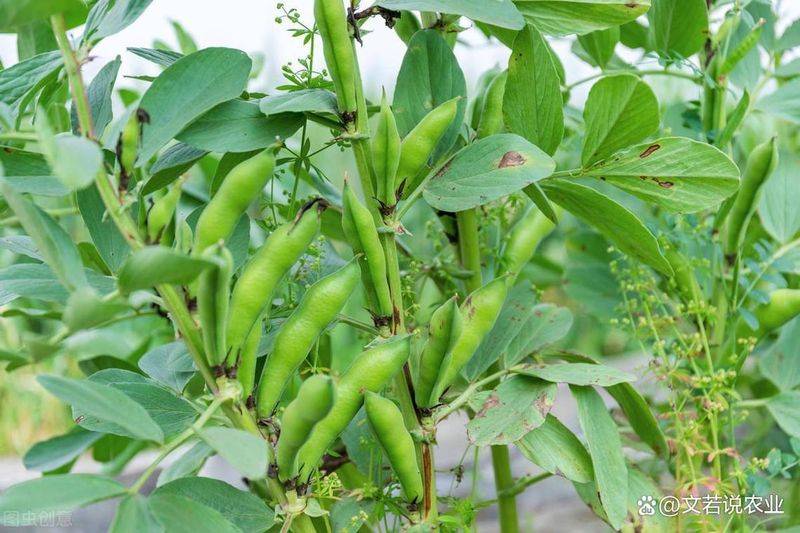
Scientific selections, selections of skin thin, sex scavengers, souffles, good commodities, strong resistance, weak light-resistant, are now choosing fresh beans number 2. The fields are chosen for good drainage, new sheds or vegetable sheds that have been growing for many years. Seed processing pre-spring seed selection, selection of full and complete seed seeding of beans for 2-3 days. We're going to plant our shed beans in late october. Acres are seeded at about 2,600 places, with an average line distance of 1 m (6 m wide, 1m in row, 65 cm on edge), 26 cm in den and 5-6 cm deep. On average, three seedlings were distributed in two dens, with one seed per den planted on 1-2-1-2. We cut off the main truncheon, and then cut the main truncheon in january-february. The whole branch is cut off in a timely fashion, and the two branches, three branches, and so on. Two or three cuts during the full reproductive period. Chemical regulation, lowering the height of the plant during the start-up of the muscular bean, where 15% of the acre is sprayed with 20 kg of water with a polyazine. And when it's time to hit the top, when it's seven or eight, and when it's first seen the hawk's claws, it's time to pick up a leaf in the middle of april. It's about new year's day. It's about season, weather. Winters and early springs are characterized by low external temperatures, day and night roofs and no ventilation in the rainy weather. When temperatures exceed 15°c in the pre-winter shed and 18°c after spring, the choice is to warm the weather and open the shed door for ventilation at 11-13 hours, reducing the humidity of the shed. The temperature rises during the flowering balconies, and the temperature in the shed is maintained at 20-25°c and increases the vents when they exceed 30°c. Owing to the lower temperature of both head of sheds and the slow growth of the beans, and in order to maintain consistency in the full reproductive life of the sheds, the latter were closed to enhance ventilation on both sides. Fertilizer management beans are soybean crops that require more phosphorous, potassium fattening, phosphate 15-20 kg for seeding acres, 25% compound fat 15-20kg for primary acreage, 5kg for urea, stripping or cave application. Peas are crops that require more water and are duly irrigated in accordance with soil conditions at all stages of their fertility. The flowering period and the maturation period of the drums are times when more water is needed, with drip irrigation. Insect control the specs disease insists on the principle of prevention and integrated treatment. The high temperatures and humidity in the sheds are more likely to cause disease than the field. Tests in recent years have shown that the main disease is fungi nuclei, with 42 per cent of the acreage measured at 30 ml and 72 per cent of the agro-chain carcinogen 15g for water 12kg spray. The pests are mainly aphids, with 10 per cent aphids 16g used for water 12kg spray control. Editor: bhui dong audit expert: researcher, extension division, agricultural college, shanxi province bin