


The tomato cultivation technique is a systematic approach that covers the entire process from seed selection to harvest. The choice of good varieties is key to success. There are many species that are suitable for climate conditions in different regions, such as the medium-preserved “powder 802” which is more popular. It's adaptable, fruity and tasteful. At the nursery stage, ensuring a seed sprouts rate of more than 90 per cent requires seed disinfection, which can be impregnated for 15-20 minutes using potassium permanganate solutions. The seed is then sprung in a wet environment at temperatures around 25 - 28°c and can be removed when the seedlings grow two leafs. Soil selection is also important, and tomatoes prefer lax, fertile, well-watered or sandy soils. There is also a need for rational application of fertilisation based on soil fertility, with foot bottom fertilisation prior to planting, usually 3000 - 4000 kg per acre of consumable organic fertilizer, combined with a certain amount of potassium phosphorus fertilization。
Tomato cultivation methods and management techniques
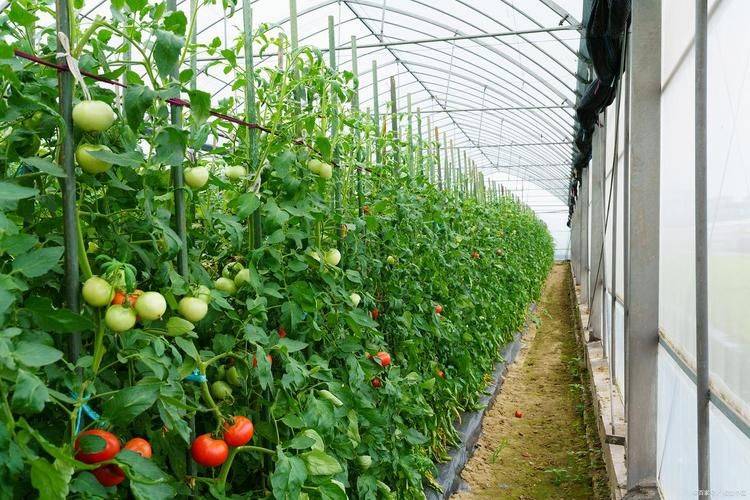
Tomato cultivation methods and management techniques complement each other. As regards planting methods, a reasonable range of 60 - 70 centimetres and 30 - 40 centimetres should be established, and a range of 80 - 100 centimetres and 40 - 50 centimetres should be established. This ensures ventilation and facilitates field operations. After planting, water should be poured in time for the roots to be closely integrated with the soil. Water management is essential in management techniques. There is a need for sufficient moisture during tomato growth, but it cannot be overwatered to avoid oxygen deficiency at root. Water should be properly controlled during flowering and outcome periods to prevent the fallout. Temperature management is also critical, with temperatures remaining at 25 - 30°c in the day shed and not less than 15°c at night. With regard to pest and disease control, the principle of the predominance of prevention should be upheld, using a combination of agricultural, physical and biological approaches. Reduce the accumulation of pests by rotation; prevent pests from entering using insecticide-proof nets; and control the number of pests by releasing natural insects。
Tomato production technology and management. Eight points teach you how to grow
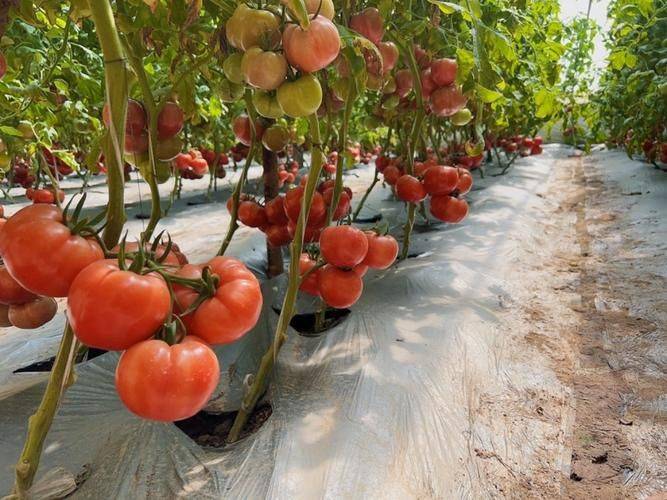
There are eight important elements of tomato cultivation that cannot be ignored. One is the choice of varieties, which are selected according to local market needs and climatic characteristics. In the cold areas of the north, more cold-resistant varieties like “zidali” can be chosen. The second is a whole-of-the-ground fertilisation, with 25 - 30 centimetres of deep-tilled land, which relaxes the soil. Bottom fertilizer is dominated by organic fertilizers, with appropriate amounts of fertilizers to increase soil fertility. The third is nursery management, which, in addition to measures such as seedlings, as mentioned earlier, pays attention to the light and temperature regulation of the nursery period. The fourth is planting, which is chosen in the middle of the day, or in the middle of the day, so as to avoid the direct sunlight that leads to the aging of young children. Five is a set-up of chickens, which begins when the plant is 30 - 40 centimeters long, with a chicken tied every 3 - 4 knots, leading the plant to grow upwards. The sixth is to take care of the stem and remove the side branches in time to promote the growth of the backbone; when the plant reaches a certain height, it is to take care of the plant and to promote the concentration of nutrients in the supply of fruit. Seven are flowers and each ear retains 3 - 4 well-developed fruit to ensure its quality. Eight are harvests, which, depending on the maturity of the fruit, are collected in a timely manner and the general colour of the surface of the fruit can be taken from green to red。
What's the technology for tomatoes
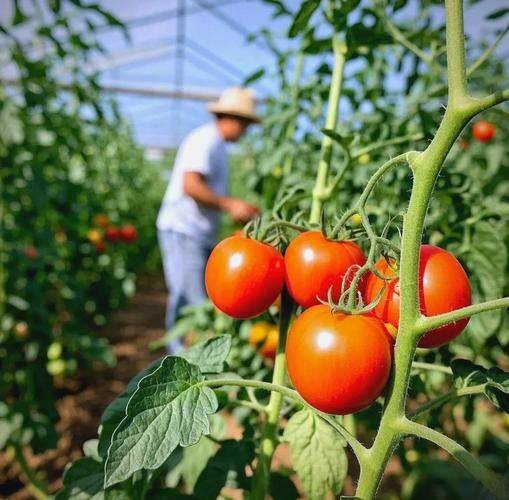
The technology of tomato cultivation is multifaceted. The first is the technique of seedling, which can be used for live broadcasting or seeding. In the case of seedlings, care should be taken to prepare the seedbeds, select organically rich soils, purge the soil, and then sow the seeds after pouring water. The seeds are covered with a thin layer of soil of approximately 0. 5 - 1 cm thick. Then there are soil management techniques, and tomatoes are easily causing pests and diseases, so there is a rotational system, such as with pulses and garlic crops. Weeding is regularly practised to improve soil aerobics. Furthermore, irrigation techniques, such as drip irrigation or microspray irrigation, both conserve water and meet tomato growth needs. There are also fertilizing techniques, which follow the principle of a small number of times, with the first period being dominated by nitrogen fertilizer, promoting plant growth; and later periods increasing the use of potassium phosphorus to improve the quality of fruit. Plantation adjustment techniques are also essential, including leaf harvesting, strangulation, etc., to facilitate ventilation. Finally, after harvest, fresh technology can be used for pre-cool treatment after harvest to extend the shelf life of tomatoes and reduce the respiratory strength of fruit, which is then stored and transported in appropriate packaging。
Tomato cultivation methods



