Do you ever wonder why the chinese eat dumplings for the new year and the westerners for turkey for christmas? Why do indians grab rice with their hands and japanese with chopsticks? Why do the french have to bow and the chinese shake hands? These seemingly simple daily behaviours are behind a profound concept — culture. Culture is like air, and we breathe it every day, with little awareness of its existence. It shapes our way of thinking, behaviour and even how we view the world. So, what is culture? Where does it come from? And why is it so important? Today we come to lift the veil of culture and see how it affects the course of human civilization。
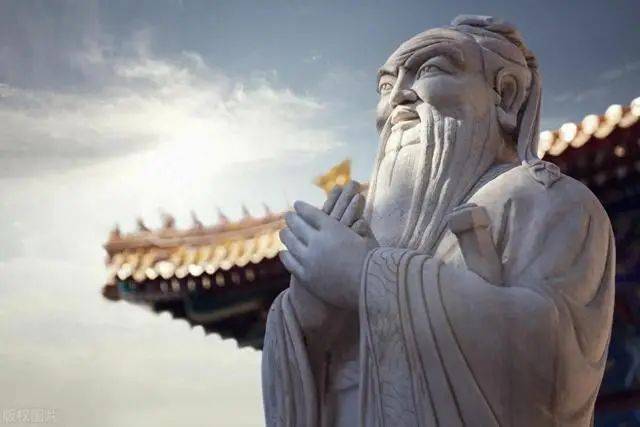
Definition of culture: it is more than just art and tradition
When we speak of “culture”, many think about art, music, literature, historical monuments, etc. Yes, these are all part of culture, but culture is much more than that. Culture is the sum of the common values, beliefs, customs, languages and modes of behaviour that a group has developed in its long life. It is like an invisible web that connects people and gives them a sense of identity。
For example, the chinese speak of filialism and consider respect for parents to be the most fundamental moral norm of humanity. This perception is deeply rooted in confucian culture and affects the family relations and social fabric of the chinese. In the united states, the culture of individualism emphasizes independence and freedom, and people focus more on individual achievement and self-expression. These two distinct cultures shape different social patterns and interpersonal relationships。
Culture is not just a “highest” art and tradition; it permeates every corner of our lives. From how we say hello to how we see life and death, culture affects us in silence。
Ii. Origins of culture: from survival to civilization viet
The origins of culture can be traced back to the earliest human needs for survival. In primitive societies, human beings must learn to cooperate, share and transmit knowledge in order to survive. For example, when the primitives discovered that fire warms and cooks food, they passed on this knowledge from generation to generation and developed a “culture” of fire。
As human society progresses, culture evolves from being an instrument of survival to a symbol of civilization. The emergence of languages allows human beings to communicate more efficiently, and the invention of words allows knowledge to be preserved and disseminated. Cultures such as religion, art and law have emerged as important pillars of human civilization。
For example, the ancient chinese culture of homage was originally designed to regulate the social order and preserve the authority of the rulers. Over time, however, “honorment” has evolved into a moral norm that has influenced chinese behaviour and values. To this day, homage remains an important component of chinese culture。
Iii. Cultural diversity: the world is bright with differences
There are thousands of cultures in the world, each with its own uniqueness. This diversity not only enriches human life, but also provides us with different perspectives and ways of thinking。
For example, in western culture, time is seen as a linear resource, efficient and planned. In some african cultures, time is seen as a circular concept, with greater emphasis on current experiences and interpersonal relationships. These two different concepts of time reflect the understanding and attitude of different cultures towards life。
Cultural diversity is also reflected in language, diet, clothing, etc. For example, curry in india, sushi in japan, pizza in italy, each diet carries a unique cultural connotation. And the chinese tiara, the indian sari, and the scottish tiara, each dress tells the story of a people。
However, cultural diversity also poses challenges. In today's globalized world, the collisions and convergences between cultures are becoming more frequent. How to achieve cross-cultural understanding and cooperation while maintaining cultural identity is an important issue before us。
The power of culture: how it shapes our world
Culture is not just a legacy of history; it is also an important force for social progress. Culture can stimulate creativity, promote economic development and even change the shape of the world。
In the case of silicon valley, its success has benefited not only from technology and capital, but also from a unique culture of innovation. Here, failure is seen as a stepping stone to success, and adventures and breakthroughs are encouraged. This culture attracts the best talent in the world and drives the process of the technological revolution。
Culture can also be a catalyst for social change. For example, the american civil rights movement of the 1960s awakened the quest for equality and justice through cultural forms such as music, literature and art. Martin luther king, " i have a dream " , is still a symbol of cultural power。
In china, the revival and diffusion of culture has been an important component of the country's soft power since the reform and opening up. From the global layout of confucius college to the chinese film and television dramas broadcast overseas, culture is becoming a bridge between china and the world。
The future of culture: finding balance in globalization
Culture faces unprecedented opportunities and challenges in the midst of globalization. On the one hand, the internet and social media have made communication between cultures easier; on the other hand, cultural homogenization and cultural conflicts have become more prominent。
How to maintain cultural diversity in the context of globalization is an issue that we urgently need to address. The unesco convention for the protection of cultural diversity is a response to this challenge. It called on states to respect and protect cultural diversity and to promote intercultural dialogue and cooperation。
For the individual, understanding and respect for different cultures are essential for us in an era of globalization. Only by embracing cultural differences with an open mind can we find our place in this diverse world。
Culture is our common asset
Culture is the fruit of human wisdom and our common wealth. It shapes our past, affects our present and will determine our future. Whether it's chinese spring festival or western christmas; whether it's yoga in india or tea lanes in japan, every culture deserves our exploration and appreciation。
In this fast-changing world, culture is like a light guiding us to our roots and directions. Let us approach culture with fear, embrace differences with openness and together create a more inclusive and better world。
Interactive topics:
What are the cultural phenomena that impress you? How did they affect your life? Welcome to the comment section to share your story