


Old men who grow tomatoes know that the food looks good, but it's a lot of trouble. The fruit is small, sour and unsweet, and it spreads all the way through the summer. The harvest is not good, and many farmers are worried。
In fact, we don't have to pay a lot of money to buy fertilizer and pesticides. We're all over the countryside, and it's the “baby fertilizer” of tomatoes。
The old people grow their foods from grass and ashes to protect themselves from disease, so long as they're right, the tomatoes are strong, they sit with lots of fruit, they're less ill, they're big and sweet, and today they'll share their four practices with you without any reservation, all of them combat experience
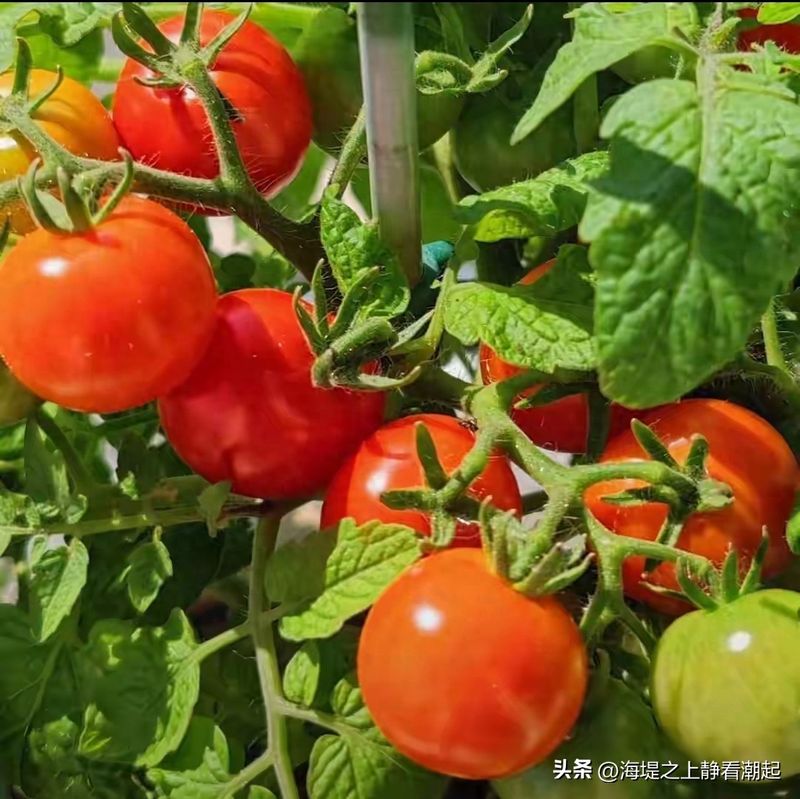
One, the bottom is covered in grass and ash. Root
In order to grow well, the roots have to be solid, weak and poor, and the later fertilizing is white, and grass-gray ash is a key step in strengthening the roots。
Specific use
1. The earth as a whole shall be cleared of weeds and stones, the soil shall be tilled, and it shall be spread evenly on the ground at the amount of 2 to 3 pounds of grass-wood ash per square metre of land, and then it shall be tilled, so that the grass-grave ash and the soil shall be fully mixed。
2. In the case of pellets of tomatoes, add 10 per cent of grass-wood ash directly to the trophic soil and mix it evenly and then plant it again, so that it is not too much more likely to burn。
3. When planting tomatoes, a small amount of grass ash is spread on the base of the plant, and a thin layer of soil is added to the ground, and the tomato seed is put in to fill the soil with water, bearing in mind that the grass ash does not have direct contact with the root of the tomatoes and that it must separate the soil and avoid burning the seedlings。
Core strengths
Grasswood ash contains abundant nutrients such as potassium, calcium, phosphorus, which can defusing the soil, avoid soil slabs, allow the tomato root system to grow deeper down, absorb more nutrients, grow strong, grow strong, and do not produce long, thin and rotten roots, with a direct increase in survival。
Hole avoidance alarm
- grasswood ash is alkaline and cannot be combined with acid fertilizers such as unperished manure, urea, ammonium sulphate, which reacts, loses nutrients and is vulnerable to root damage。
- the soil itself is alkaline in nature, with the aim of reducing the use of grass-wood ash and avoiding alkaline soil, which affects tomato growth。
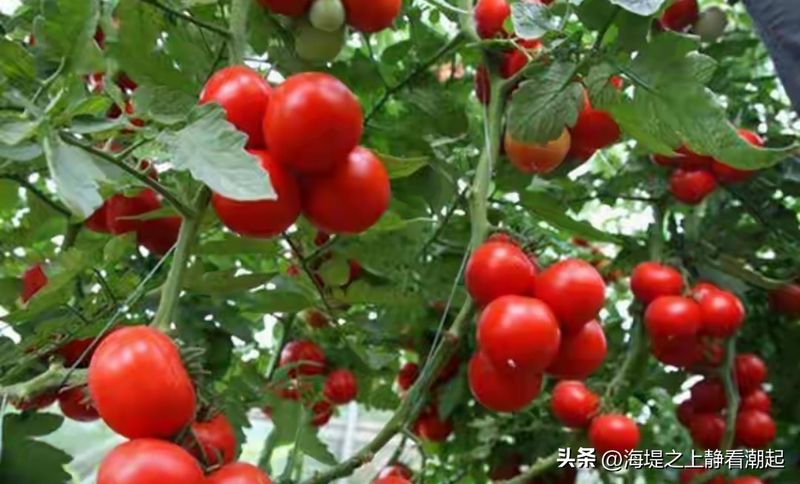
Ii. Leaf sowing grass and ash, with less anti-worm medicine
Tomatoes are the most vulnerable to aphids, white lice, early disease and frost, and when they occur, they spread at a particularly rapid rate, not only at a cost but also at a high risk of pesticide residues, which can be easily solved with grass-wood ash。
Specific use
1. Insecticidal use: when the sun is chosen, when the tomato leaves are exposed, the dry grass ash is placed in a thin eye sift, with a soft shake on the head and back of the leaf, on the trough, so that the ash is evenly attached to the plant, spread every 7 to 10 days and spreads two to three times。
2. In case of detection of a small incidence of tomato blades, or when a rainy weather has passed, the same method is used to sow grass-wood ash, with a focus on the area where the disease occurs and the lower part of the plant, which can effectively contain the spread of the disease。
3. Grasswood ash leachate can also be produced: at a rate of 1 pound of grasswood ash plus 10 pounds of clean water, the mix is evenly immersed for 24 hours, then the impurities are filtered out, the liquid clarified is placed in the aerosol dispenser, the tomato plant is evenly sprayed, the pest resistance is better and the blades are not damaged。
Core strengths
Grasswood ash is dry, absorbs the moisture on the leaves and prevents small insects such as aphids and white lice from adsorbing, breeding and deworming; and grasswood ash in its alkaline environment, which inhibits the growth of bacteria, has a good prophylactic effect on fungal diseases common to tomatoes, with fewer drugs at all times and healthier tomatoes。
Hole avoidance alarm
- full burning, impurity-free, dry and fine grass ash must be used, and plastics and garbage must not be burned, or harmful substances may be used to damage tomatoes。
- when the heat is high at noon, the weather is dry and the leaves are free of open water, so as not to dry and burn the leaves easily; and before it rains, the rain washes the ashes out in vain。
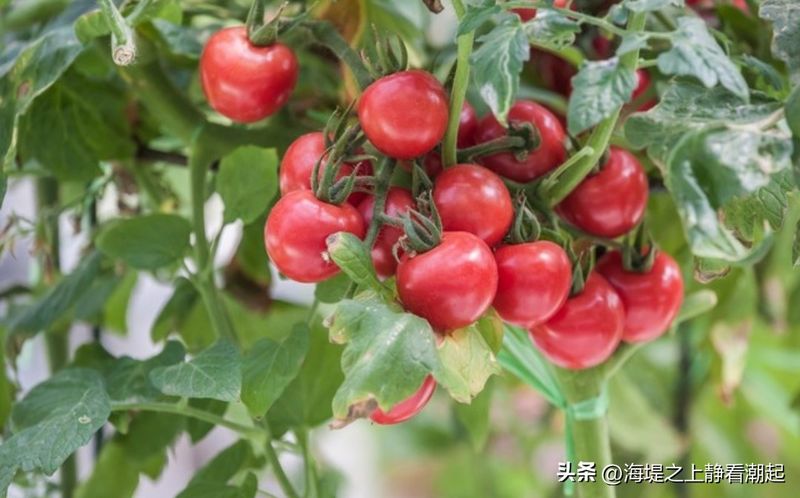
Iii. The flowering of grass and ash. Hana
Tomatoes are the most prone to flowering, with low seating rates, and many farmers feel that they are not fat enough, but rather lacked potassium elements, while grass-wood ash is natural potassium fat, which is replaced by flowers, with a marked increase in seating fruit。
Specific use
1. In the early stages of the flowering of tomatoes, i. E., when the first ear was opened, shallow trenches were dug around the root of the plant, deep at a depth of 3-5 cm, far from the root line of 5 cm or more, with one or two grass-grain ashes scattered over each tomato seed, and then covered the ground after it was over, and watered with water so that nutrients slowly permeated into the soil。
2. During the flowering period, another leaf cover is sprayed with grasswood ash to supplement the leaf cover nutrients, double fertilization and better protection of the fruit。
Core strengths
Potassium elements promote the sprouts of tomatoes, increase pollen activity, make them more flowering, effectively reduce the fall fruit, increase the rate of sit-in fruit per ear, and do not produce empty ears or less fruit。
Hole avoidance alarm
- when pursuing grass-wood ash, never come near the root system, and the ditches stay away from the main roots, avoiding the burning of the roots and causing the plant to decay。
- water should be given at a suitable amount during the flowering season, and the soil should not accumulate water, otherwise even grass-wood ash may affect sit-in fruit。
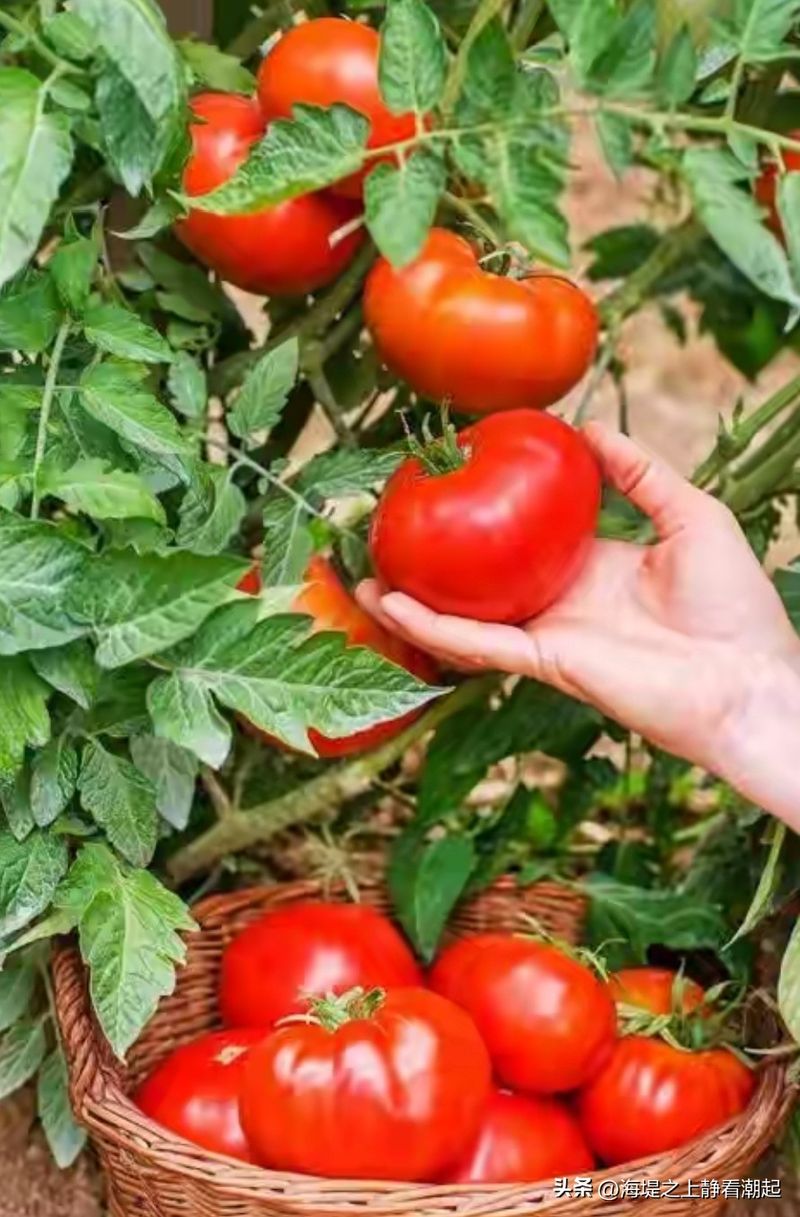
Iv. Vegetable gravy and gravy in the fruit season okay
The tomato bulge period is a critical period for determining the size and taste of the fruit, during which the residual grass-wood ash allows the fruit to expand rapidly, accumulates more sugar, eats more sweetly and prevents fissures。
Specific use
1. The expansion period is two cycles of fat, the first when the fruit grows to the size of a ping-pong ball and the second when the fruit begins to turn colour, each seedling follows two or two rounds of grass-wood as well as the same method of fertilizing the flower, with roots dug in ditches and watering。
2. A further immersion of grass-grass ash with a focus on the fruit and the result branch during the transliteration period, which accelerates the rotation of the fruit, so that the fruit is even and sweeter。
Core strengths
Potassium elements in grasswood ash contribute to the expansion of fruits, increase the weight of fruits, and promote the accumulation of sugar and starch, freeing tomatoes from the taste of sour and sweetness, and supplementing calcium with the prevention of tomato fissures, umbilical morbidities, more fruit, better sales and taste。
Hole avoidance alarm
- the weight required to catch up during the bulge period is adequate and cannot be spread too much at once to avoid excess nutrients, leading to the planting of a growing stock and affecting the development of the fruit。
- when the fruit changes colour, do not sow grass-wood ash on the fruit, and avoid polluting the face of the fruit, affecting the face, except by leaching liquid spray。
Tomatoes, grass and ashes. Three words of advice
1. Grasswood ash is good but cannot be used in excessive quantities and is applied many times throughout the journey, rather than much, to prevent soil alkalineity。
Ash, which can be burned only with pure plants, is the best of the straws, branches and leaves, and is used to eliminate chemical waste。
3. Grasswood ash is to be kept in seals to avoid the tide of rain and the loss of grass ash nutrients following the tide, which has a significant impact。
Finally, let's make it easy for you to remember: grasswood ash is a treasure that can't be separated from tomatoes; fat and strong roots don't rot and leaves are less resistant to insects; bouquets are more expensive and sweeter fruit is more abundant
The tomato farmers, stop buying fertilizer, don't waste their grass and ashes, use these four methods, save their hearts, save their money, produce high yields, have good tomatoes, taste sweet, and try to collect them, find them useful, and forward them to the people who grow them



