


Whether we grow a few tomatoes in our own small garden or on a large scale in daejeon, it is customary for many farmers to recognize that urea works quickly and at affordable prices, regardless of the stage at which the tomatoes grow。
There's always a feeling of urea, growing seedlings, green leaves, and there's bound to be some tomatoes in the back. But the more the people who have grown, the more easily the tomatoes get sick: some have no flowers, some have no flowers, others have no fruit, even if they have fruit, they are easy to grow small and deformed fruit, and the worse they burn a yellow leaf, a whole seedling, and have obvious fat。
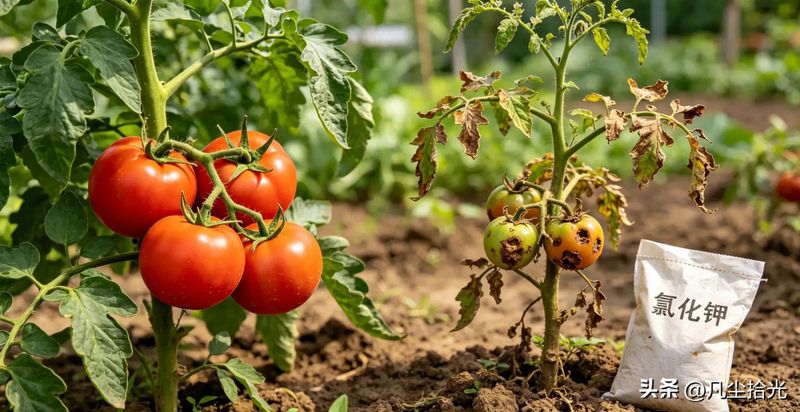
It's not that the tomatoes are hard to plant, it's not that the fertilizer is useless, it's that a lot of people are caught in the wrong zone of urea alone. Tomatoes produce long-term, series of walled fruit, with nitrogen fatting in urea only, and do not meet the full growth demand. The urea is only suitable for a small amount of seedlings during the seed period, and it is counterproductive to have urea when it comes to flowering, sitting, expansion and urea indiscriminately。
I always grow tomatoes at home, and i often share field management experiences with the surrounding old vegetable farmers, and i slowly find a pattern: tomatoes can't be supported by urea, but with three common fertilizers, no fat pursuits, no bottling, scavengers are well grown, not mad, uninhabited, flowering, sitting in berries, and fruit is well grown, and can reduce the incidence of inappropriate application。
All the way through is the big words that farmers can understand, with no false head, no complex theory, but with a realistic method of doing what they can in the field。
I. Tell the truth: what kind of trouble does a tomato get in
Let's get this straight before we're ready to change old habits. The urea is mainly a single nitrogen fertilizer with limited effects and is responsible only for long vines and long leaves, promoting the growth of seedlings and providing no other nutritional supplements。
The nutrients required at each stage of tomato growth are not the same, with only urea from the beginning to the end。
First, the most common is that the seedlings are crazy. The urea is too much, the nutrients are all on the leaves, the tomato vines are crawling up, the side branches are sprawling, the leaves are large and tender, and they look at the glamorous, but they are empty. The nutrients have been taken by saps, the bouquets have been affected, with few flowers and many flowers, and with little or no results。
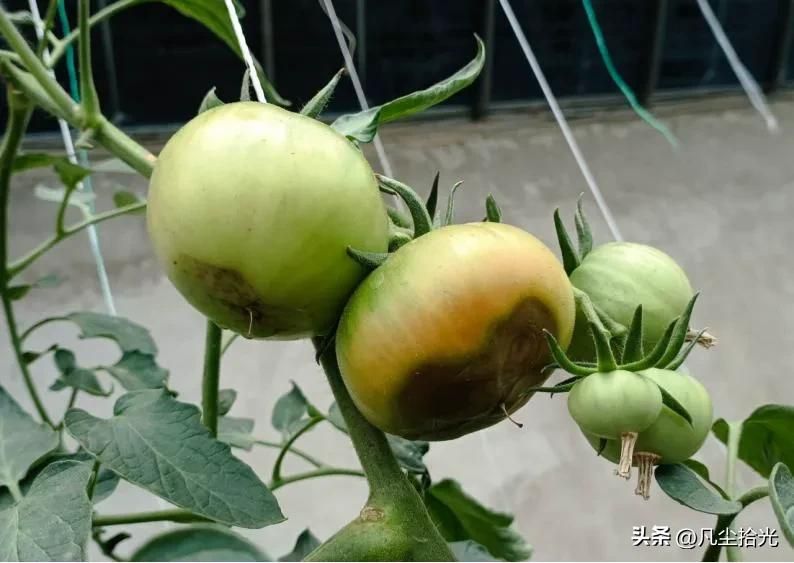
Secondly, it is easy to grow deformity, empty heart, and to change. At the veggie stage, urea is spread, and tomatoes can easily grow grubs, figs, fruit sizes are very different, a piece of color is red, their mouths fades and there is no natural sweet sand. And it's too much nitrogen, too small for the leaves, too weak for the disease, too much later for all kinds of diseases, and more expensive for management。
Thirdly, there is a high risk of fattening roots. A number of farmers use urea with little detail, either directly next to their roots or in excessive quantities at a time. The decomposition of urea in the soil produces heat, is too high a concentration to burn the tomato platinum, has damaged the root system, has reduced the ability to absorb water, leaves with yellow hair, has stagnating, and has caused severe direct death。
Fourth, it is easy to lose weight early. Long periods of urea alone, severe imbalances in soil nutrients, lack of potassium phosphorus and moderate trace elements, and a single or two fruit for tomatoes begin to accommodate the seedlings, with insufficient energy to sustain the pick-up cycle, and with no overall yield。
It is not urea that cannot be used, but it cannot be scattered and cannot be relied upon. There is no harm in using a small amount of seedlings, and once they enter the flowering season, they will be reduced or even suspended, and will be replaced by a balanced mix of nutrients. This is the way to grow tomatoes。
Two, if you don't want to be fat, you can add three
Instead of buying expensive, small-scale fertilizers, they are conventional fertilizers that can be bought anywhere in a town's farm, at a price to the people, and that farmers can afford. On the basis of rational control of urea, the combination of balanced compound, calcium and boron fertilizer, and the balanced supply of nutrients, can solve the common difficulties of growing up, falling, deforming and fattening, growing up and growing, with a large number of and positive fruit。
One: balanced compound fat, steady the entire tomato base
Many farmers only recognize urea and neglect compound fertilizer, which is the worst area of cultivation. Balancing compound fertilizers contain three basic nutrients, namely nitrogen, phosphorus and potassium, which are balanced and correspond to the daily growth needs of tomatoes, unlike urea, which is a single supplement。
When the tomato plant is slow to grow, do not rush into urea, use balanced compound fertilizer per acre, open shallow trenches around 10 centimetres from the root and pour water into the ground. It can both fill a small amount of nitrogen-based seedlings with strong trees, and it can use phosphorus to boost the roots of the lumber, and it helps to divide the lumber, and it can fatten and strengthen the strength of the plant。
At the beginning of the flowering season, when each blemish is stable, a small amount of balanced compound fertilizer can be followed up and applied in a strict manner. With compound fertilizer bottoming, nutritionally balanced distribution, tomatoes do not focus only on the wild ivy, nutrients provide a reasonable supply of flowering results, seedlings are stable, they are not long and they fail early, and the bottoms are set for the muffled fruit。
At the same time, compound fertilizer is accompanied by a small amount of urea, which dilutes single nitrogen fertilizer concentrations, avoids the accumulation of soil salts, and significantly reduces the burning of roots, which is much more secure than individual urea。
Number two: calcium fat, um, um, um, um, um, um, um, um, um, um, um, um, um, um, um, um, um, um, um, um, um, um, um, um, um, um, um, uh, uh, uh, uh, uh, uh, uh, uh, uh, uh, uh, uh, uh, uh, uh, uh, uh, uh, uh, uh, uh, uh, uh, uh, uh, uh, uh, uh, uh, uh, uh, uh, uh, uh, uh, uh, uh, uh, uh, uh, uh, uh, uh, uh, uh, uh, uh, uh, uh, uh, uh, uh, uh, uh, uh, uh, uh, uh, uh, uh, uh, uh, uh, uh, uh, uh, uh, uh, uh, uh, uh, uh, uh, uh, uh, uh, uh, uh, uh, uh, uh, uh, uh, uh, uh, uh, uh, uh, uh, uh, uh, uh, uh, uh, uh, uh, uh
It is clear to all who grow tomatoes that the black dented umbilical disease in the bottom of the fruit, the posterior cracking, and the deformity of the figs are mostly caused by lack of calcium. Many people know nothing but the pursuit of potassium, and never add calcium to tomatoes, affecting production and sales。
Calcium thickens the tomato peel, increases the resilience of the fruit and reduces the occurrence of cracks. It also regulates the transmission of nutrients, prevents umbilical disease, and allows the growth of the tomato fruit to be balanced in shape and size. At the same time, calcium supplementation strengthens the cell wall and increases resilience, which is less influenced by temperature and moisture variability and is more stable。
Calcium is not very mobile in the soil, and it is too late to replace the fruit when it is in trouble and must be prevented in advance. Starting with the opening of the tomato's first ear, per seven or eight days of leaf is sprayed with calcium sequestered or calcium nitrate, with a focus on larvae and the back of the leaf, which absorbs quickly and works well. Two or three times of the whole sibling period is sufficient, at little cost, to significantly reduce rotting fruit, fibrosis and deformity。
Number three: boron fertilizers, boosting flowers, helping pollinators, reducing the fall of flowers
Tomatoes are flowering, they sit low, and they have a particularly strong relationship with boron. Bronze can contribute to the normal separation of buds, increase pollen activity, keep the flowers full and pollination smooth, and significantly reduce the problems of falling flowers, falling buds and sitting fruit。
There are lots of plots that look at the flowers, and they can't sit down, mostly because of lack of boron. In particular, open drylands, squatter plots, low effective boron content of soils, and the need for timely replenishment。
Bolybid fertilizer is suitable for leaf-face spraying, only once in the tomato prime and during the flower season. After spraying, not only does the sit-in rate rise steadily, but it also helps plant plants to better absorb nutrients of all kinds, and the fruits expand more evenly and do not show too much disparity in size and size。
Calcium and boron fertilizer can be combined with spraying, mutual assistance, superimplementing, one-time operation to solve the two problems of flower promotion and fruit-care, with less effort, and with open gardening and field farming。
Iii. Phased fertilisation schedules for tomatoes, how urea works, when three things are fat, once they're out
It's not enough to know which three things to use, to distinguish between the growth stages, when to use urea, when to stop, when to fill in when to fill in, and how to do it in stages, according to my years of planting experience。
1. Shrimp phase: less urea, compound fertilisation bottom
After the plant has been planted and the seedlings have grown, the seedlings have taken new root and the leaves have grown. A small amount of urea-based seedlings can be used at this stage, but the amount must be controlled and there must be no pressure to spread。
The focus is on balanced, complex fertilizers that can be buried far away and watered. The main aim is to raise a strong seedling, which will grow up to be strong, inert and infirm, and to lay the foundations for growth. It's a stage where you don't have to add calcium to your calcium。
2. The flowering bud phase: complete cessation of urea urea and sprouts
When tomatoes come out of buds and are ready to bloom, urea must stop. Revealing urea will only drive the vine crazy, fight the buds for nutrients and create falling buds。
This phase does not involve excessive root fatting, with a single application of boron fertilizer on the main leaf to stabilize the bud quality. If the land is less fertile, small quantities of thin water can be applied to soluble compound fats, basic nutrients maintained, nitrogen stable trees maintained and seedlings prevented from running。
3. Choosing the berries phase: co-refilling the oxen, small-scale pursuit of compound fertilizer
The first sibling, growing to the size of the thumb, is a critical period of management throughout the year. At this point, urea was completely discontinued, and every seven days or so, the leaves were sprayed with calcium fertilizers and boron fertilizers, fruits, deformities and stable sit-ins。
Small-scale root pursuits of balanced compound fertilizer supplement the nutrients consumed by the nuts and provide for plant growth and fruit development. The nutrient balance keeps up, the seedlings do not lose weight, the leaves are not yellow, the fruit is growing steadily, and there are few bad and bad fruits。
4. Quantification phase: resupply of potassium, no more urine for the entire course su
Tomatoes enter the rapid expansion and continuous harvest phase and are determined not to take urea. This phase focuses on potassium supplementation, followed up with a small number of multiple fats, promoting the expansion of fruits and their smooth transformation, increasing taste and selling。
The long, weak plots, which do not need nitrogen fertilizer, use only a small amount of water soluble to conserve the root system and prolong the harvest cycle, can lead to several more pieces of tomatoes. An additional calcium fertilizer can be applied at a later stage in order to prevent the early decay of the post-mortem fissure。
Iv. Avoiding the fertilizers, away from the fat, low-cost and steady
Many people have problems with tomatoes, not only with fertilizer but also with fertilizer. Even if all three are right, it's easy to burn roots and grow bad in contrast, and these old people must remember。
First, don't put on the roots. Whether it is urea or compound fat, it must be used in a ditch between the root and the root of the tomato, rather than near it. Fertilizers are directly attached to the root system and are most likely to burn a seedling。
Second, stick to the hard work and don't do it once. It's better to catch fat a little more than once, not to do too much at a time. Fertilizer concentrations are too high, soil salts accumulate, high vulnerability to yellow leaf-induced fattening, lack of fattening can be filled slowly later, and more than applied can hardly be remedied。
Thirdly, it is forbidden to use unperished manure. Fresh chicken dung and goat dung are spilled directly into the ground, and raw dung fermentation in the soil results in high temperatures, easy to burn roots, and a large number of insects and eggs are brought with them, exacerbating post-mortem conditions and using fully fertilized farm fat。
Fourth, high temperatures do not fertilise at noon, do not fertilize on leaves. At noon, when the sun is hot and hot, the application of fertilizers to the roots is prone to a high concentration of sharp rises and wounds; the application of water to the leaves is fast evaporated, and leaves and flowers are easily burned, with as many mornings or evenings as possible。
Fifthly, we should not blindly misusing agricultural resources. Instead of trusting in all kinds of fancy platters and making up with undisguised fertilizer, it is controlled with regular urea, mixed fertilizer, calcium fat, boron fat, which can be bought at a farm store, and the air is kept secure。
V. Two points of subsidiary management, stronger seedlings, more fruit
Fertilizers are used as the basis, and two simple field management details are added to allow for better fertilizer and more stable tomato growth。
The first is a timely full-blown swirl. Nitrous fattens tend to generate excess side branches, the non-existent side branches only consume nutrients in vain, and the extra sprouts and crazy long branches are removed in time, so that the nutrients concentrate on the main chicken and fruit, while improving ventilation and reducing the incidence of disease。
The second is that the fertilizer is in place. A proper amount of water after fatting can both dilute the concentration of fertilizers, avoid the adverse effects of fertilizers, and help to dissolve nutrients and facilitate the absorption of roots. Day-to-day water distribution follows dry wetness, with no heavy water, soil drenched and damp, and easily induces figs and umbilical diseases。
In fact, the tomato plant does not have advanced technology, but changes the old habits of urea-spreading, the long-term use of fertility control, the combination of compound fat, calcium fat, bovine fat, the control of fertilisation distance, volume and time, so that the seedlings are not crazy, stable, flowery, corroded, fruit-shaped and fine, and can avoid fattening and common physiological problems from their roots, as can be seen in gardens and fields。
Interactive topics
Are you used to taking urea with your hands? Has there ever been a case of light failure, deformity, rotting tops? What do you do with fertilizer? The sharing of experiences in growing crops in the comment area is welcome, as is an exchange of experiences。
A sweet hint
This paper shares only the experience of field-based and field-based fertilizing practices, with different soils and climates, which can be adapted flexibly in line with the size of the family's tomatoes; and fertilization, which insists on low fertility, long root application, and not just high nitrogen fertilizer, allows scientific management to stabilize the growth and improve the quality of its fruit。
This paper is intended to serve as a reference for the sharing of experiences in farming and farming in rural areas and does not constitute a basis for professional agricultural guidance, investment advice and trading. Geographical conditions vary from one place to another, and you can draw on them carefully, taking into account their own actual discretion。



