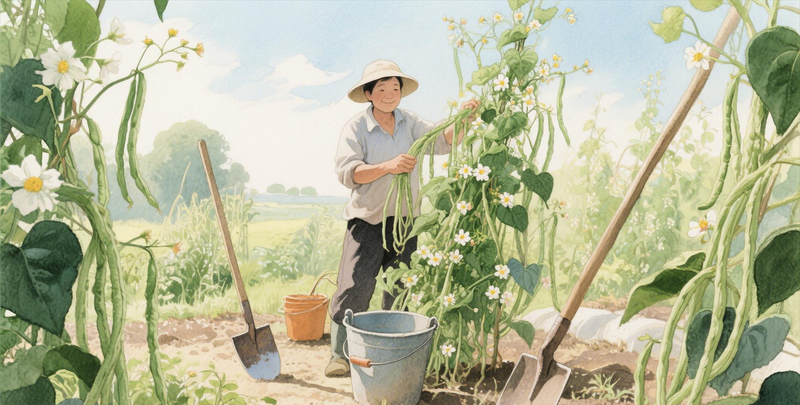
The month of may is a golden season for growing beans! It's time to plant the beans, and if you know how to do it, the vines will be filled with beans, and you won't be able to eat them. We'll share the scientific methods of planting from the agricultural school today, and we'll grow the harvest beans together。
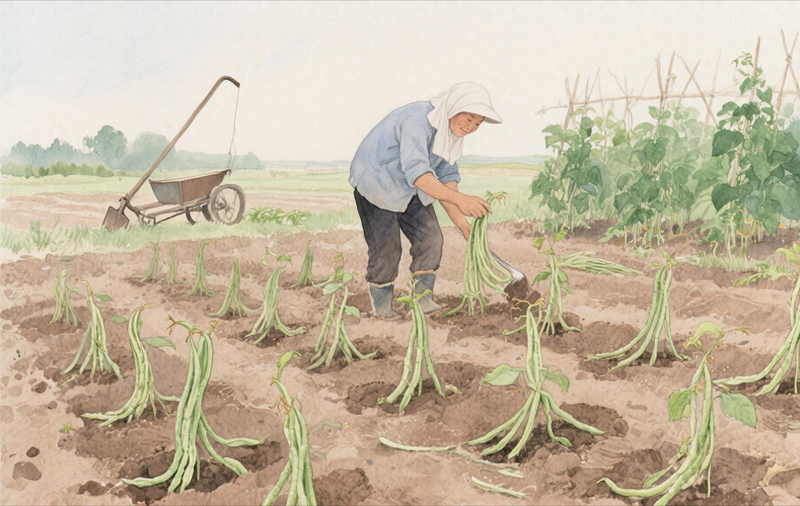
I. Selection of pairs to lay the foundation for harvest
To grow well, the choice of seed is the key. According to a study by the agricultural institute, in may, we grow beans, so that we can choose the varieties that are suitable for warm weather, disease-resistant, high-yielding varieties, such as thorium 28-2 and thylene 40. These varieties, which have been developed and practiced for many years, are very suitable for our common cabbage。
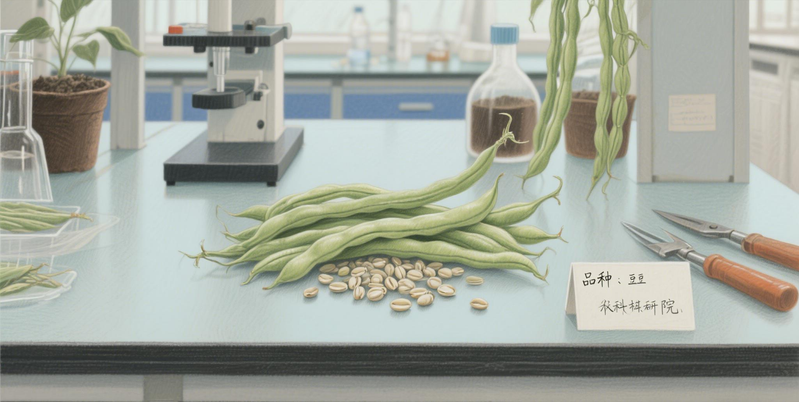
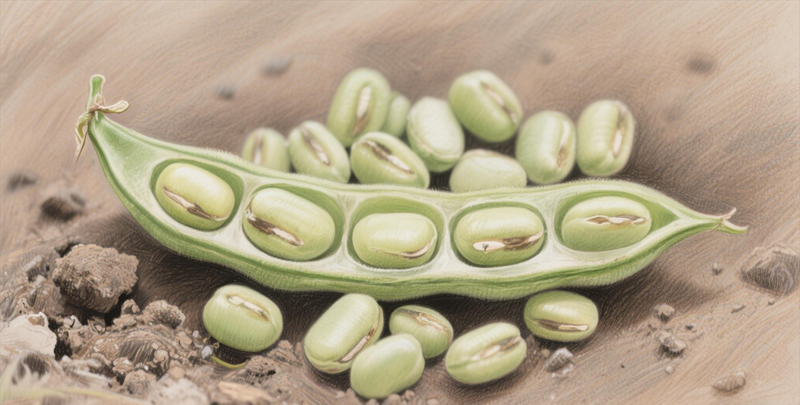
And how do you choose a good bean seed? We have to pick seeds that are full of particles, even colours, free of pests and damage. Filled seeds are stored in nutrients, with high rates of growth, and growing seedlings are stronger。
Selection of plots and preparation for seeding (i) soil requirements
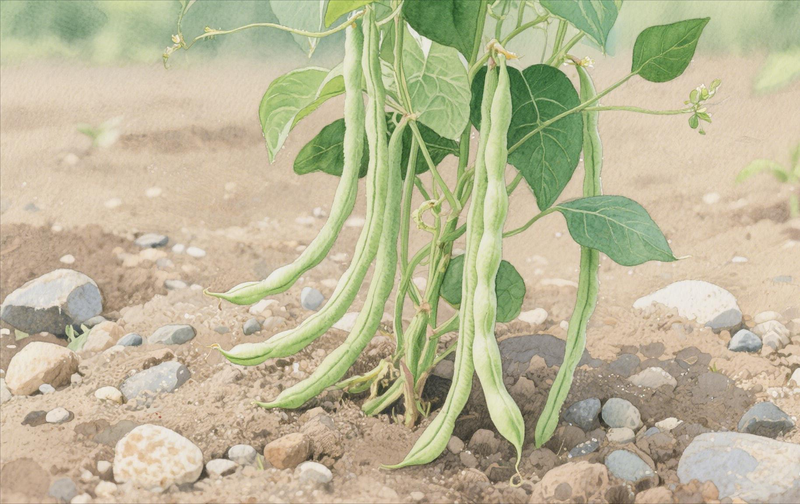
The soybeans like to fertilize and drain well the soil. Before we grow, we have to pick the plot. The ph value for soil is best in the range 6. 0-7. 0, and this soil environment is conducive to the growth and development of bean beans. If the soil is acidic or alkaline, this may affect the growth of the beans and lead to a decrease in yields。
(ii) whole fertilization
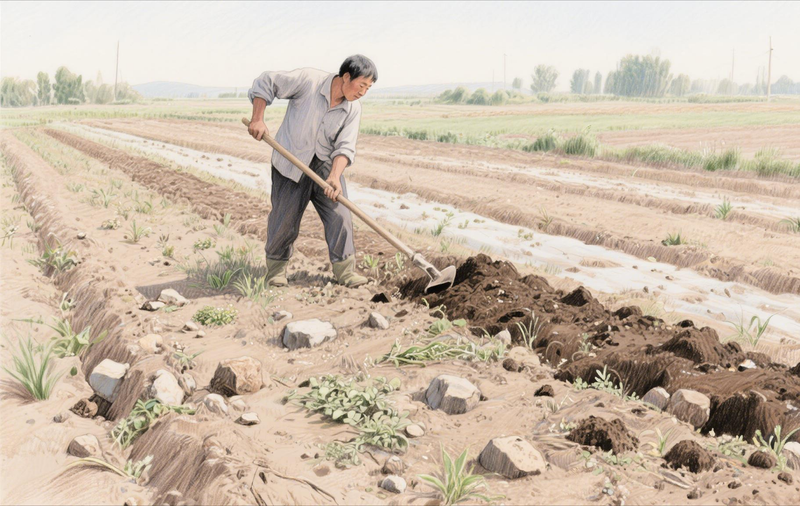
After we pick the plot, we're gonna do the whole thing. First, weeds, rocks, etc. In the ground are cleaned up, then the soil goes down deep, about 20-30 centimetres. Deep runoff can deplete the soil and increase its air and water retention. And then we're going to use bottom fertilizer, which can be used for decomposed organic fertilizers, such as farm weight, composting, etc., and apply 2000-3000 kg per acre. After fertilization, the soil and fertilizer are fully modulated and flatted to the ground, with a width of 1. 2-1. 5 metres, to facilitate later management and extraction。
Iii. Sowning in due time to ensure healthy seedlings (i) planting time
In early may, when temperatures stabilized at more than 15°c, it was the best time to sow beans. At this point in time, the temperature is right, the seeds are growing fast and the seedlings are growing strong. If seeding is too early, the temperature is too low, the seeds are prone to decay and decay; late planting may affect the later growth and production of the beans。
(ii) sowing methods
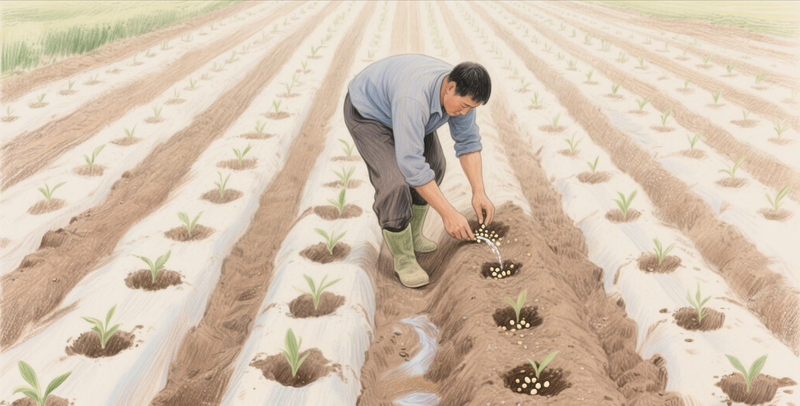
Let's plant it in a cave. On the full surface, the cave is open at a distance of 60-70 centimetres and 30-40 centimetres, deep at 3-4 centimetres. Three to four seed grains per den, then covered by a layer of 2 to 3 centimetres of fine soil, with light pressure and close contact between the seeds and the soil. The seeding process is followed by a permutation of water and the maintenance of soil moisture, which is conducive to seed sprouts。
Four, three key waters, boosting soybean growth, and sprouts after planting
After planting, we're going to water for the first time, this time with the aim of keeping the soil wet and providing sufficient moisture for seeds to germinate. Water should be watered with care, not too much water, so that the soil does not accumulate and the seeds rot. We can get the soil evenly wet with a canteen or small water. Generally, three to five days after seeding, the seeds grow。
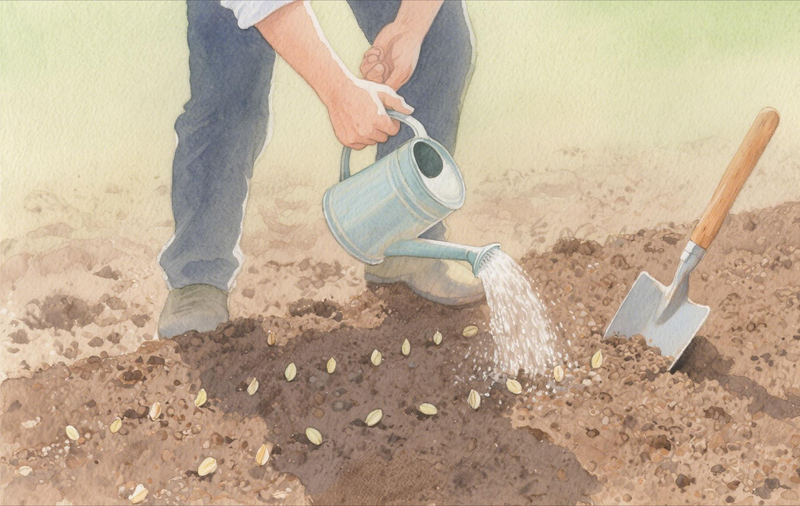
The rooting water from the nursery
When the seedlings grow three to four leaves, we're going to water it again. This period is a critical period for the growth of the root of the soybeans, where water can contribute to the growth of the root system by making it more developed, absorbing more nutrients and moisture and laying a good foundation for later growth. The water should be moderately watered, the soil should be kept dry and wet, and the soil should not be allowed to be too dry or to accumulate。
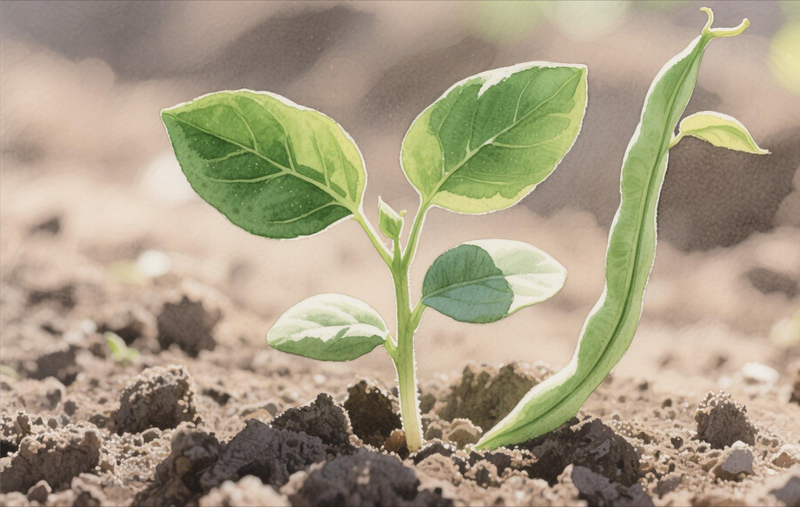
The gust of the flowering season
As the bean enters the flowering season, it is the period when the bean grows with the greatest amount of water, and it is the third and critical watering. At this point, the vines of the bean grow rapidly and the flowers and bean bean are growing, requiring a great deal of moisture to feed their growth. If the moisture is not sufficient, it can cause flowers to fall and bean bean bean is small, affecting production. We have to keep the soil moist, usually water every five to seven days, preferably in the morning or evening, to avoid watering at high noon temperatures, so as not to damage the roots。

V. Conclusion management to enable the orderly growth of vines (i) to build a support frame
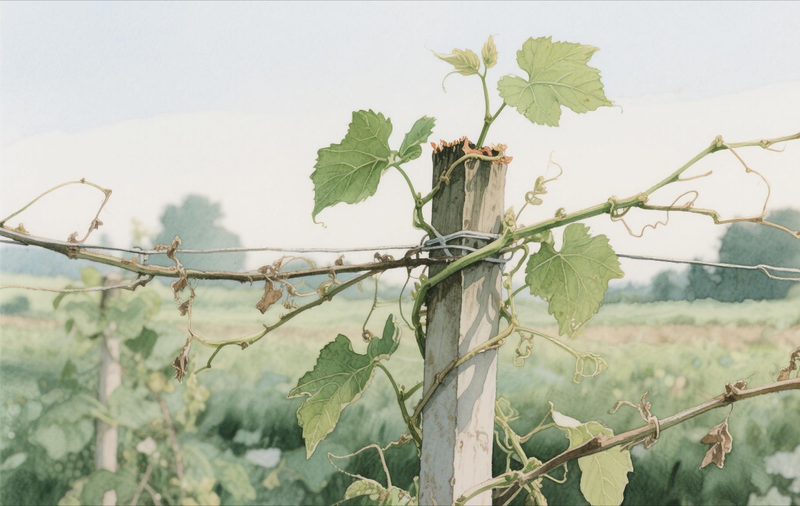
And when the beans grow to 20-30 centimetres, we're going to run the chicken. The first is to build a support frame, which can be used with materials such as poles, sticks or ropes. We can build a 2-2. 5-metre-high bamboo pole every 2-3 metres next to each row of beans, and then pull a few ropes or wires between the poles, forming a grid-like stairwell that can help the vine climb。
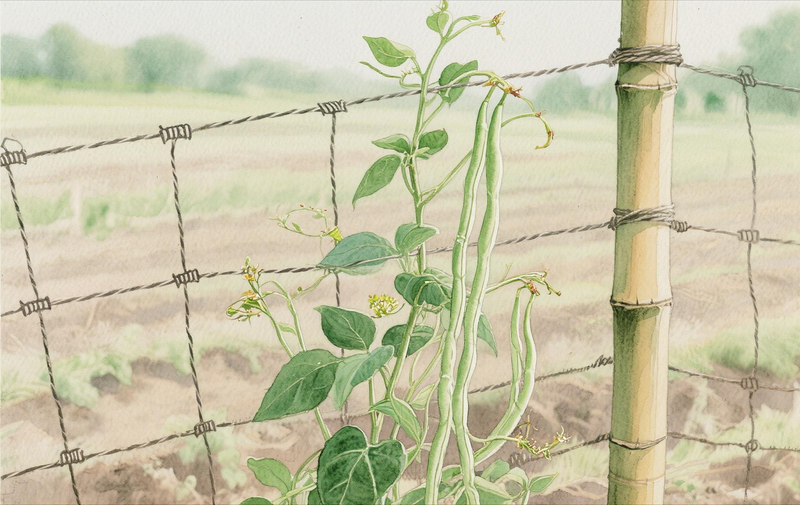
(ii) guide vines
When the leg is set, we're going to lighten the vines of the bean to the stairwell so that the vines can grow up along the stair. The vines can be attached to the mats with ropes or strips, so that they are not too tight to damage them. As the vines grow, we have to adjust in a timely manner so that the vines are evenly distributed, avoiding entanglements, affecting light cooperation and ventilation。
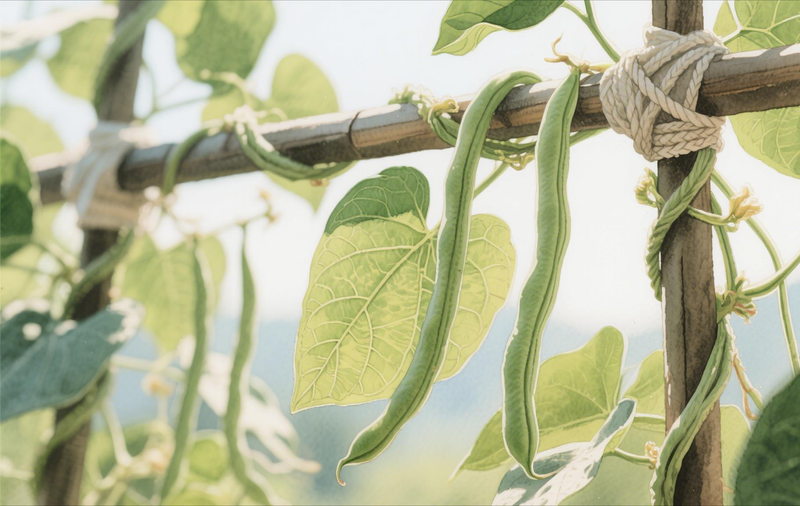
(iii) cardiac top
When the vine grows to the top of the frame, we're going to have to do a heart-picking cap to promote the growth and development of the side branches. The gravitation is to strangle the top of the vine and keep three to four leaves, so that the nutrients can be concentrated on the side branches and bean bean saps, so as to increase production. At the same time, we have to trim some of the overgrown side branches and the weak branches in time to keep the plants ventilated and to reduce the incidence of pests。
Vi. Rational application of fertilization and provision of sufficient nutrients (i) fertilization during seeding period
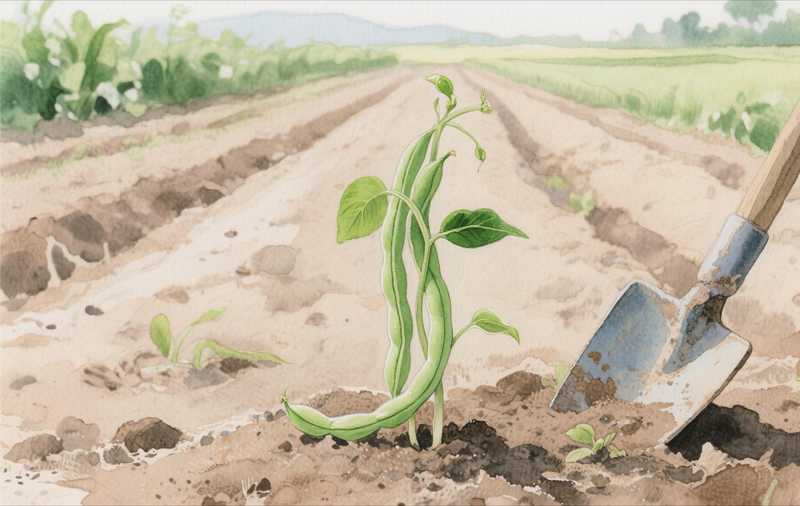
We can use it once to boost the growth of seedlings. The fattening of seedlings can be used for the application of 5-10 kg of urea per acre, either in decomposition or urea solution. Be careful that the roots are not too close to them to burn。
(ii) fertilisation during flowering thawing
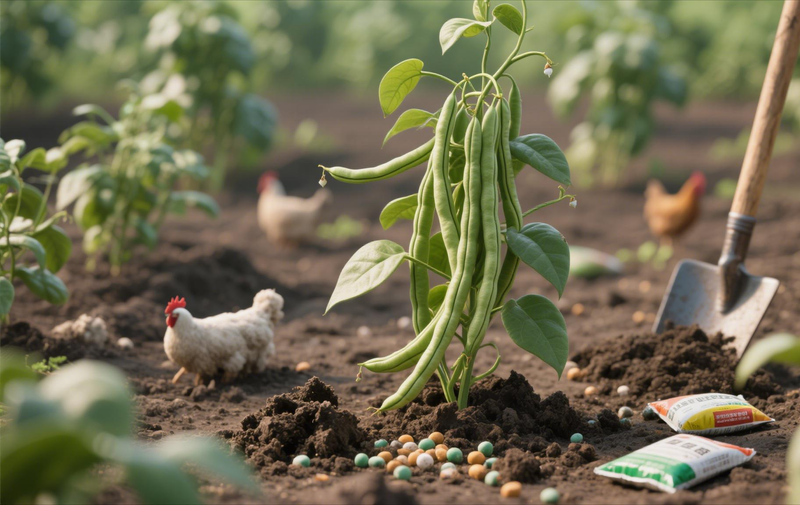
The demand for nutrients has increased significantly after the flowering season, and we have to apply fertilizers in time to ensure nutrient supply. This period can be combined fertilized once, with 20-30 kg of potassium per acre of nitrogen phosphorus or with some decomposition organic fertilized fertilizers, such as chicken dung, sheep dung, etc., to increase soil fertility. Fertilizer is applied in a timely manner so that nutrients are better absorbed by the root system。
(iii) post-fatilization
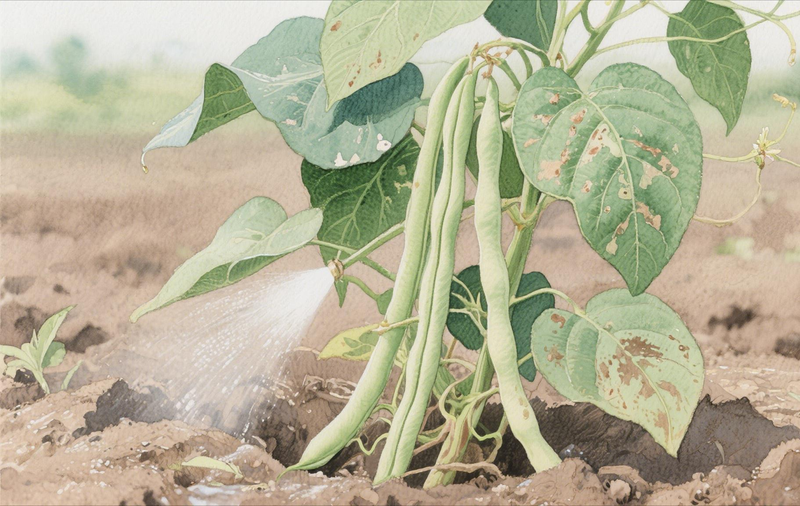
In the later stages of the growth of the bean, to prevent the early decay of the plant and to increase production, we can make leaf-face fat. Leaf-faced fertilizers can choose between 0. 2% and 0. 3% potassium phosphate or urea solution, sprayed every 7-10 days and sprayed 2-3 times. Leaf-faced fattening allows plants to absorb nutrients quickly and enhances their resilience to disease and reversibility。
Vii. Pest and disease prevention and protection of the health of the bean (i) disease management
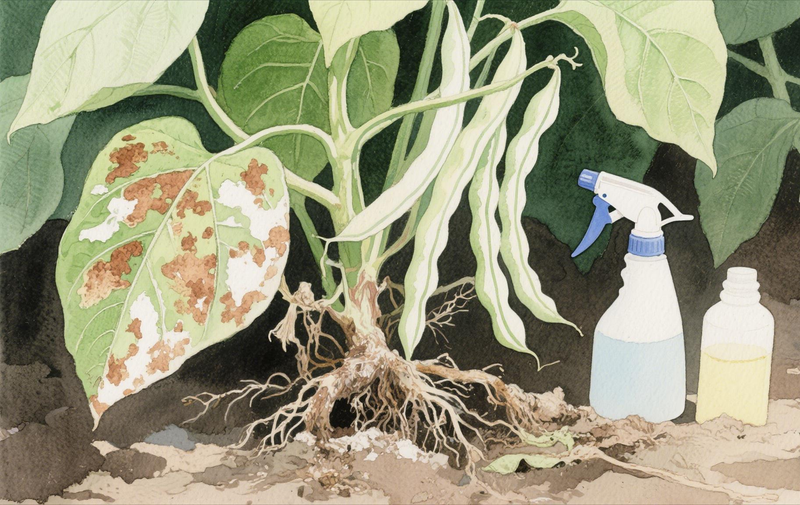
The most common diseases in the bean are rusty, powdery, rotting. In the case of rusty and powdery diseases, we can spray 15% of the triazine humid powder 1000-1500 times the fluid or 50% of the polyglycerine humid powder 500-800 times the fluid every 7-10 days, 2-3 in a row. In the case of root causes, we should be careful to water the soil and avoid the accumulation of water, and 50% of the methiosulphage filamentable powder can be grazed with 800-1,000 times the fluid, 200-300 ml per irrigation。
(ii) pest control
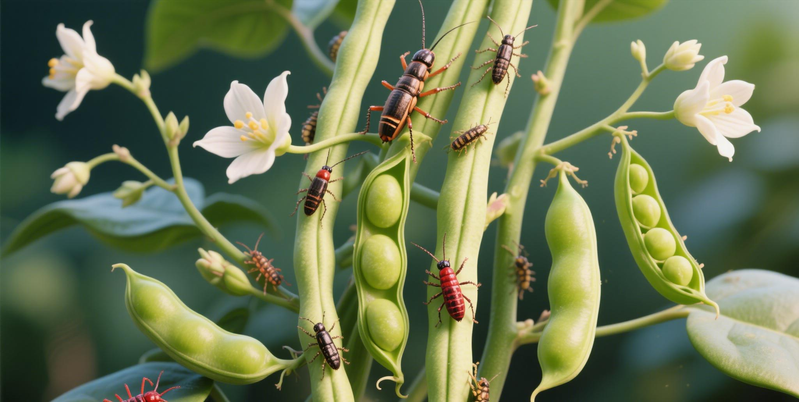
Aphids, soybeans, red spiders, etc. Are common pests. For aphids, we can use 10% of the aphids' humid powder 2000-3000 times the fluid or 50% of the aphids' humid powder 2000-3000 times the fluid spray. In the case of soybeans, we have to deal with it in a timely fashion during the flowering period, with 2. 5% of brocymethrin cream, 3000-4,000 times the fluid or 5% of calcium cream, 1500-2000 times the spray spray, with a focus on flowers and ablaze. For red spiders, we can use 1. 8 per cent of the avil cream, 3000-4,000 times the fluid, or 20 per cent of the octopus humid powder, 1500-2000 times the spray spray, every 7-10 days, 2-3 times。
Viii. Enjoying in time and experience
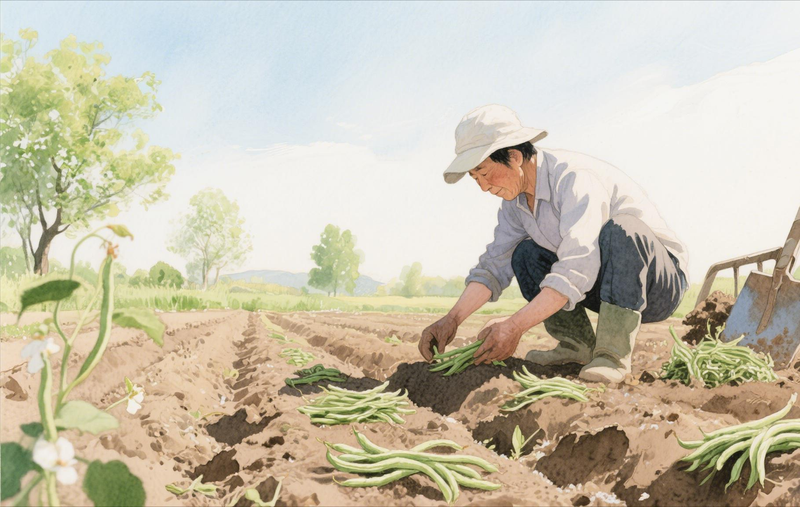
The best harvest time is when the bean is grown up to the point where it is coarse and even, the colour is green and the seeds are not growing. When harvesting, care is taken not to damage vines and flowers in order not to affect subsequent growth and production. We can pick the beans with scissors or hands, and pick them every two to three days, so that the beans can grow and the harvest period can be extended。
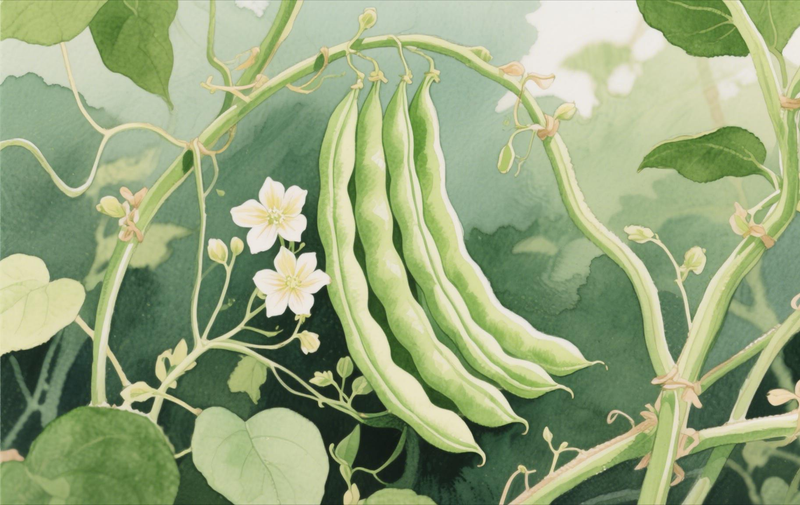
As long as we grow the beans in the way above, we have to make sure that the beans are full of vines and full of joy. Let's get moving, plant the beans in may and look forward to the fall harvest