Carrot, a popular vegetable, is not only sweet and nutritious, but is also very popular and experimenting with planting. The first step in the cultivation of radish is to cultivate strong radish seedlings. How, then, can the cultivation of radish seedlings be carried out effectively and subsequent planting management? Next, we will explore together the answers to these questions。
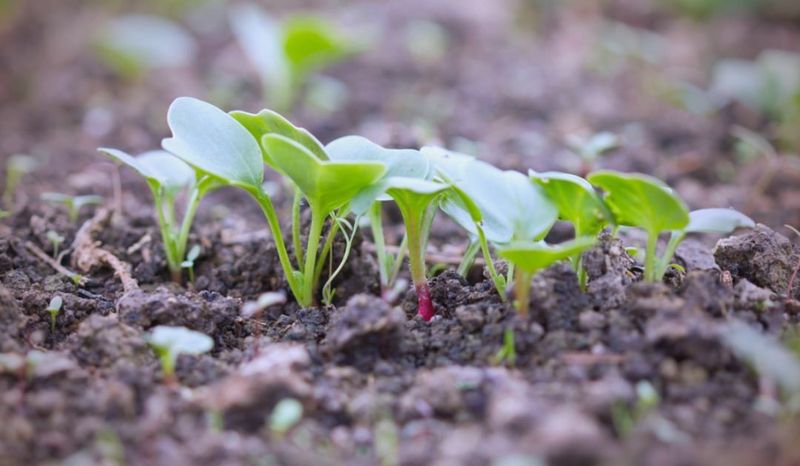
1. Leaching
First, radish seeds are washed and then immersed. Before impregnation, it is recommended that seeds be washed twice with room water to remove impurities. Thereafter, more than twice the amount of water is added to the seeds, soaking for six to eight hours until the seeds are fully inhaled and swelling. Alternatively, you can choose to dilute the leachate with special microbacterium fluids for about 1 to 6 hours in summer and 6 to 12 hours in winter spring, while ensuring that the water is 10 to 15 cm above the seed. Once immersion has been completed, seeds can be ploughed once or twice before planting。
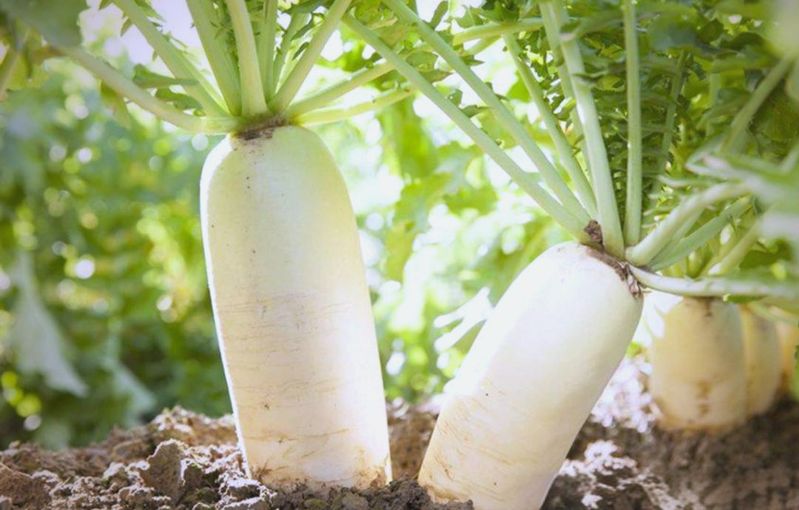
2. Seeding
Before seeding, it is necessary to ensure that the seedlings are disinfected and cleaned. An old newspaper was then placed on the plate, where the seed of the radish was spread evenly. Some 50 grams of dry seeds are used per plate and 10 to 20 sets of seeds are stacked together for seeding. On stacking, a wet disk is to be advanced in the upper and lower compartments to ensure proper humidity. The whole seeding environment is then kept within a temperature range of 20-25 degrees, waiting for seeds to germinate。
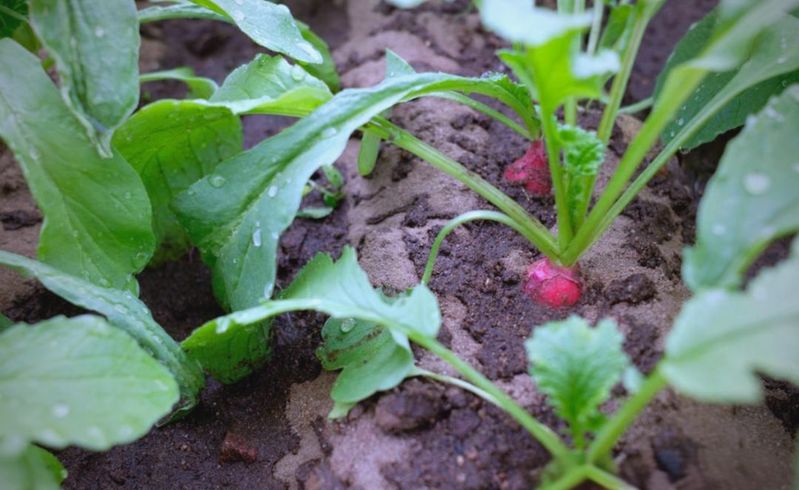
3. Driving management
The temperature should be maintained between 23 and 26°c and air moisture of about 80% during the sprouts. Changes in temperature and humidity need to be closely monitored, with regular rollbacks and water sprays to ensure that seeds are equally heated and wet. After one to two days of tremors, seeds can be removed from the plate for further cultivation when they reach 0. 5 to 1 cm. It is important to note that, in the later stages of the seeding, some of the seedings may grow in hair, which is a normal phenomenon and does not have to worry. However, the growth of the roots may hinder the ventilation of the roots, thereby increasing the risk of impurities. Therefore, at this time, the wetness of the basin should be reduced, as appropriate, and the water supply reduced, in order to maintain healthy growth of the seed。
4. Environmental regulation
After the seeds are removed from the plate, the light conditions need to be gradually enhanced and the transition from weak light to strong light. The indoor temperature should be maintained at 20 to 25°c during the day and 14 to 16°c at night. At the same time, water is strictly controlled and can be sprayed three times a day, with a flexible number that can be adjusted to the actual situation. When water is sprayed, it shall be carried out from the top to the bottom to ensure a proper quantity and avoid the accumulation of water within the seedlings. In addition, the relative humidity of indoor air should be maintained between 70 and 80 per cent, and windows should be ventilated one or two times a day to maintain the demand for fresh air and radish seedlings。
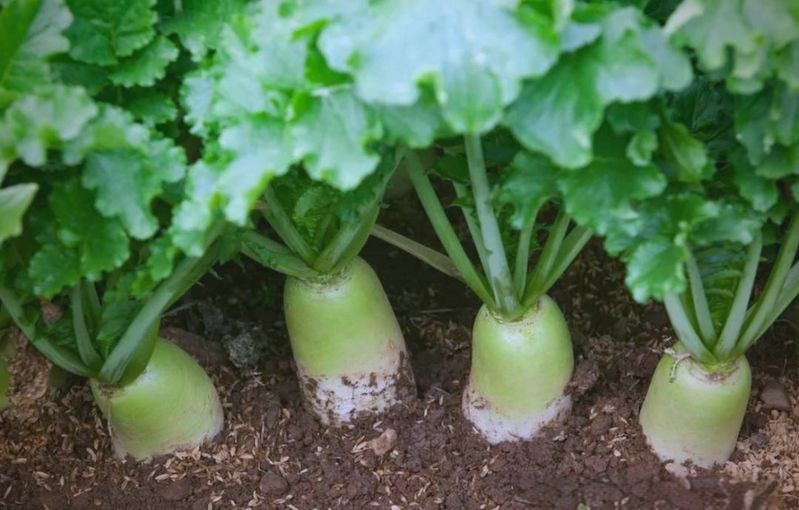
5. Smoldering of finished products
When radish seedlings grow to 6-10 cm high and the leaves are green, well-growing and the real leaves have grown, they are harvested. Late harvests can lead to saplings. For the collection of seedlings, it is recommended that they be uprooted and packed in plastic boxes or in plastic bags for small packaging so that they can be kept fresh and easily transported and sold. In addition, the option may be to put the whole living body on the market, or to install it after the whole body has been cut, to meet the needs of different consumers。
6. Disease prevention and management and environmental management of production
In the process of growing up, radish seedlings, although less ill, must be removed in a timely manner and partially disinfected with lime in order to prevent further spread of diseases such as rotting roots. In addition, close attention needs to be paid to the environmental situation of production sites, which are regularly cleaned and sterilized to ensure healthy growth of radish seedlings。
As a result of the above-mentioned presentation of radish seedlings, we have learned that radish seedlings are not only nutritious and suitable for food, but can also be further cultivated by shifting cultivation. Replanted radish seedlings grow rapidly and meet listing standards faster, with considerable economic benefits. For those friends who wish to try to grow, it would be useful to start growing radish seedlings now。