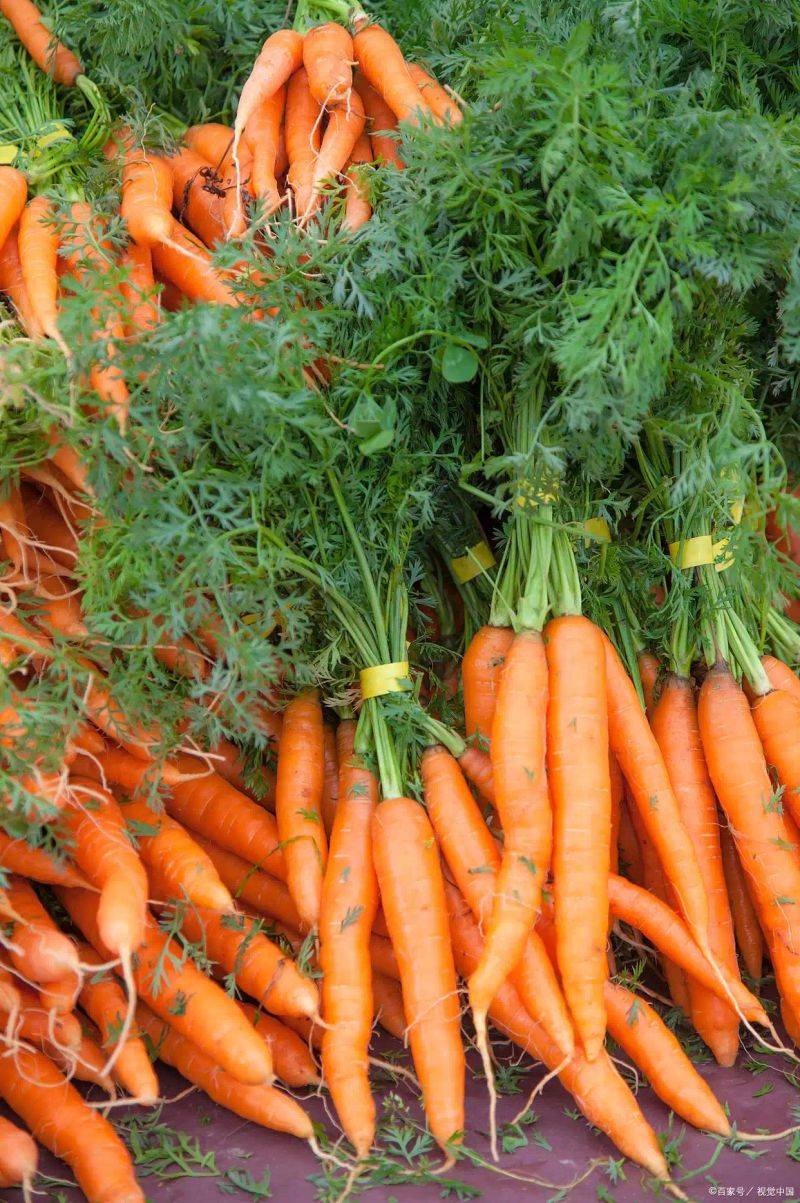
In the area of vegetable cultivation, carrots are popular with a large number of growers, with their rich nutritional value, diverse food patterns and relatively simple planting processes. However, to achieve high-yielding and high-quality radish, scientific farming techniques and effective irrigation and water fertilizer management are essential。
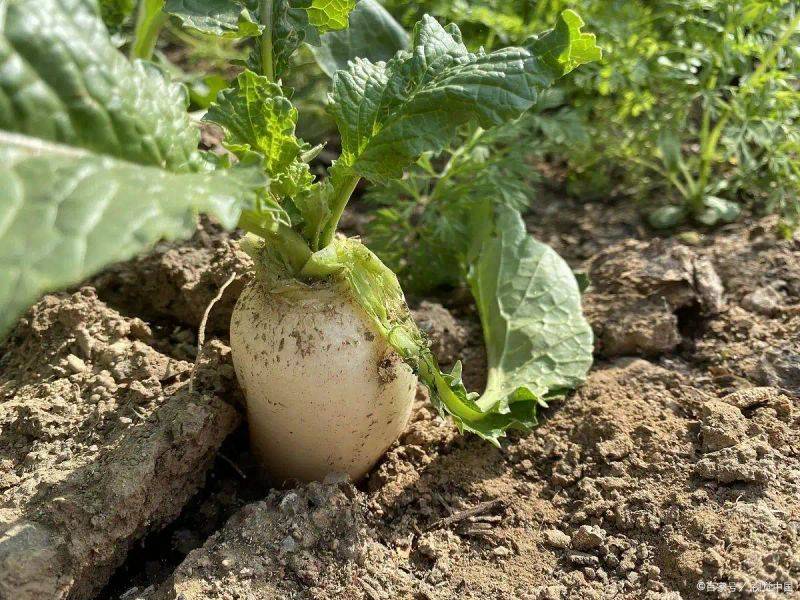
Preparation for planting
(i) choice of varieties
There is a large variety of radish on the market, and growers are required to choose those that are highly pathogenic, productive and of good quality according to local climatic conditions, soil conditions and market demand. For example, in areas with cooler climates, more cold-resistant varieties can be chosen; and for markets with a softer taste, the corresponding high-quality varieties should be selected。
(ii) soil preparation
The radish is suitable for growth in the sandy sandy soil, which is deep in the soil and which is lax and well drained. Prior to planting, the land is to be farmed early, the soil is to be levelled and weeds and residues removed. At the same time, the application of foot-based fertilizers, dominated by organic fertilizers, such as high-quality manure with fermentation, provides long-lasting nutrient support for radish growth。
Ii. Cultivation process
(i) sowing methods
The most common planting methods are broadcast, on-demand and broadcast. When small areas are grown, sowing is easier; large areas are recommended for den planting, which is low and easily managed when seedlings are produced, and contributes to disease and pest control. Seeding should be carried out in such a way as to ensure sufficient space for the seed to grow。
(ii) reasonable secrecy
Rational planting density according to the characteristics of the radish variety. Large varieties of radish should be grown at appropriate intervals; small- and medium-sized varieties can be planted relatively closely, but there is a need to avoid overcrowding that affects the growth and quality of radish。
Iii. Irrigation management
(i) water requirements at different stages of growth
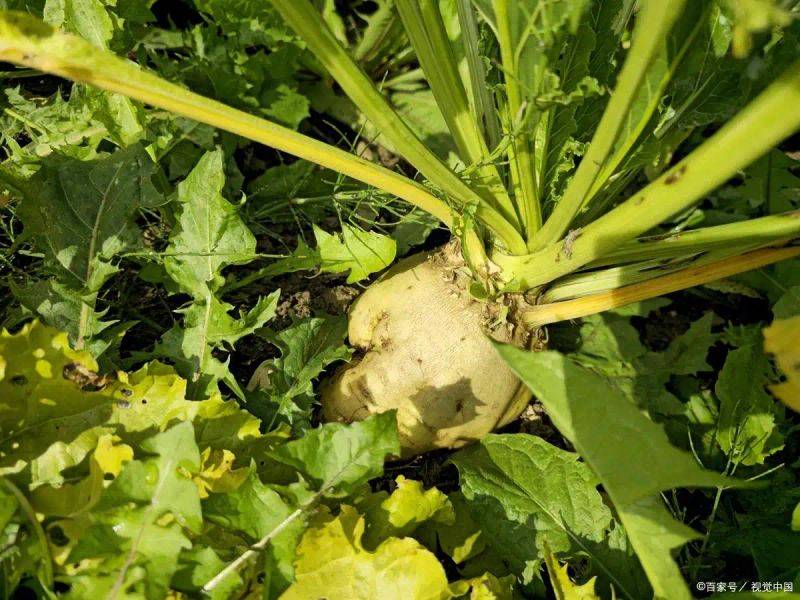
The demand for water varies between stages of growth. The gestation period requires sufficient moisture to ensure that seeds are fertilized and that if the seeding is dry, the water should be poured in time to keep the soil wet. The amount of water required for seedlings is relatively small, but care must be taken to avoid the soil being too dry to affect the growth of seedlings. The period of expansion is a critical period for water, at which the soil is assured of sufficient moisture, but it cannot be overwatered to prevent problems such as cracking roots。
(ii) irrigation methods
The choice of suitable irrigation methods can increase water efficiency. Dripping and spraying are ideal irrigation methods that can accurately control water volume and avoid water waste while reducing soil sheeting problems. In areas with limited water resources, drip irrigation is more appropriate, while spraying is more suitable for large-scale cultivation。
(iii) irrigation time
Irrigation time is also important, as irrigation is generally chosen in the morning or evening to avoid watering at high temperatures, so that water does not evaporate too quickly and affect irrigation effectiveness。
Iv. Fertilizer management
(i) fertilizer principles
There is a pattern of demand for nutrients such as nitrogen, phosphorus and potassium during radish growth. Overall, the application of organic and chemical fertilizers to meet the nutritional needs of radish at different stages of growth should be followed。
(ii) points for fertilization at different stages of growth
Premium period: primarily nitrogen fertilizer, which promotes the growth of seedlings and leaf blades. Quick-activated nitrogen fertilizer can be tracked in appropriate quantities, but care should be taken to control the amount and avoid the baby seedlings。
Lotus term: at a time when the radish is growing rapidly, there is a need to increase the application of fertilizers, which are applied in combination with nitrogen, phosphorus and potassium fertilizer, to lay the foundation for the expansion of the root of the flesh。
(b) the expansion of the root of meat: the application of nitrogen and phosphorus should be combined, mainly with potassium, to promote the expansion of the root of meat and to improve the quality and production of radish。
(iii) fertilisation methods
In the application of fertilization, care should be taken to ensure that the application is even and that local fertilities do not cause damage to the radish. It can be combined with base fat, which is applied to the soil before planting, and radish growth。
V. Field management
(i) saplings and seedlings
Carrot seedlings grow rapidly when they come out of the soil, and are carried out in a timely manner in order to prevent the overcrowding and growth of the seedlings. In general, the seedlings are 2 - 3 times, and when a certain amount of the leaf grows, seedlings are established and strong seedlings are preserved。
(ii) cropping
During the growth of the carrots, weeding is carried out in a timely manner, the soil is lax, and weeds and carrots are reduced for nutrients and moisture. In the case of long and exposed varieties, there is also a need to root the earth in the early stages of growth so that it can grow straight。
(iii) pest management
Comprehensive measures such as agricultural, biological and chemical control are used to prevent the occurrence of pests and diseases. Agricultural methods of prevention, such as rational rotation, clean fields, protection of natural enemies, biological methods of control using biopharmaceuticals and, where necessary, chemical pesticides, with attention to the safety of pesticide use and residuals。
Vi. Harvest management
The harvest is carried out in due course, depending on the variety and growth of the carrots. Early harvests and lower yields; too late harvests may result in problems such as hollowness, fibrosis, and affect the quality of carrots。
Through scientific planting techniques, sound irrigation and management of water fertilizers, and effective field management measures, growers can improve the production and quality of carrots and achieve better economic benefits. It is hoped that the above will provide a useful reference for a large number of growers and help harvest the radish。
# rop #
Carnation: this is for reference purposes only, and specific planting techniques and management measures should be adapted and optimized to local realities. If you have problems with farming, you can consult local agricultural technical departments or professionals。