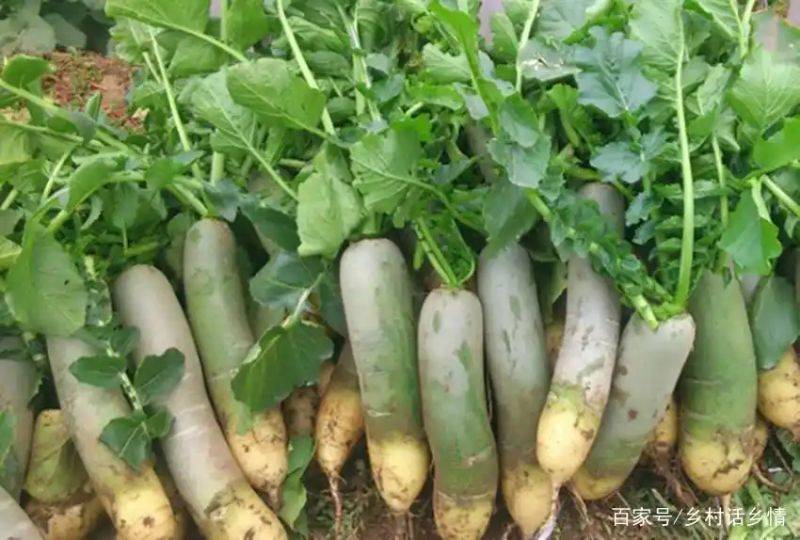
Soon to enter the month of august, the planting of autumn carrots has begun from the north to the south. Because each individual is growing and managing in a different way, both in terms of production and quality, the reason for this is that he/she does not have mastery of radish growth patterns, what kind of environment he/she needs, what kind of fertilizer he/she needs in the long term, and so on。
One, pick the mouth, grow the ravine, do the bottom. Fat
Carrots are cross-facility roots crops and are grown without the choice of cross-facile vegetables to avoid a variety of pests and pests that affect their yield and quality, and other science crops should be chosen for the best。
The production of radish is mainly at the root, and it likes to deplete the fertile soil, before sowing it, it has to have the ground plowed deep, dredged, flat, and open the ditch for bottom fattening before it is ready for seeding, which is a high and high-quality focus of radish production, usually with organic co-fertilizers used as base fat, which, if conditions so permit, can be applied to pie fat, which is good for both production and quality。
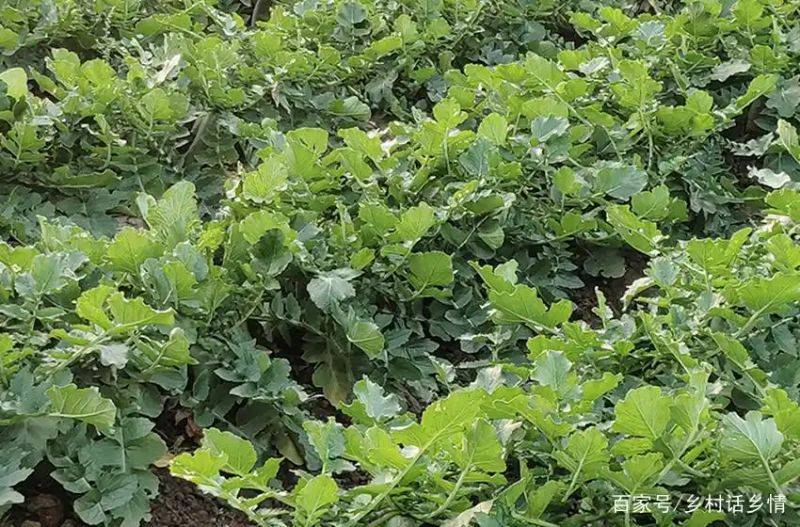
Ii. Sowning in due course, and time- and growth-generating
The planting of radishs takes place from north to south between mid-july and mid-august at a distance of 25 centimetres and 50-60 centimetres, at depths of about 1-1. 5 centimetres, with 5-6 seeds per den。
After the small seedlings had come out of the soil, trichlorfon or other insecticides were sprayed in time in order to prevent the risk of ground jumpers, and when the small seedlings had grown two leafs, the first seedlings began, leaving three trees in each den, such as one too late, and the roots were prone to rise, causing the head to fall down and the head to fall down when they had grown to about five leaves。
Since radish seedlings are in the hot and rainy season, they are managed in a manner that is consistent with drainage and flood and drought prevention and avoids drying and wetting that leads to poor growth. However, care should be taken during the seeding period to reduce the water and not to make the soil too wet to facilitate the laying of roots。
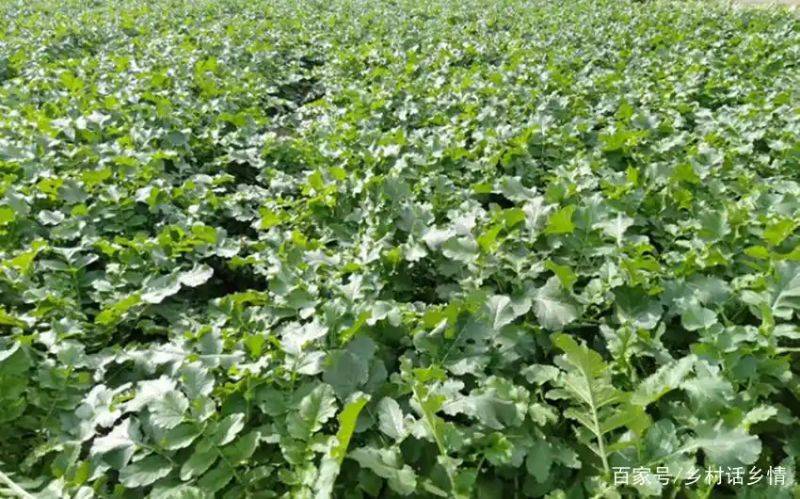
Iii. Water fertilizer management and requiring radish
The root of the radish appears to be large, but its roots are small, especially in the pre-growing period, with a timely turpentine and weeding process to create a decompressive environment for the roots。
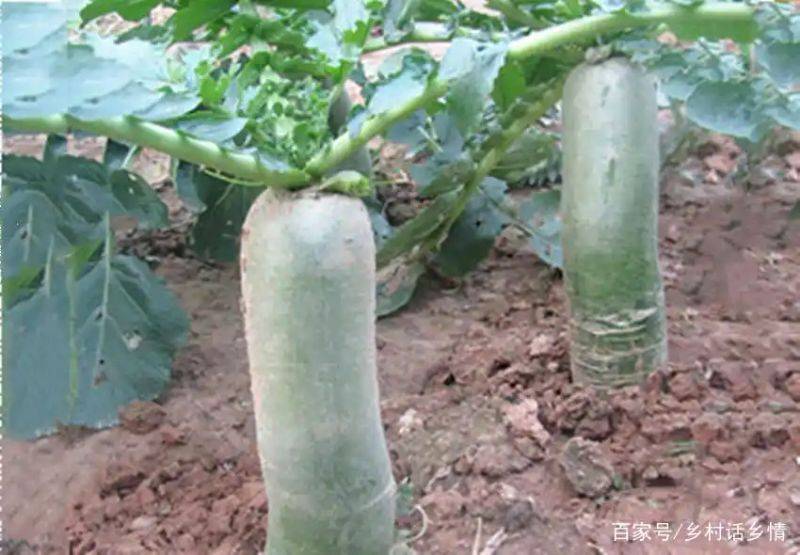
When radish roots start to grow, with a thickness above 2 centimetres, the management of water fertilizers is strengthened at a time when there is neither a shortage of water nor a shortage of fat, and if there is insufficient moisture, it not only affects production, but also results in hollowness, stiffness of mouth, hotness, etc. If nutrients are inadequate, they lead to slow growth and lower yields。
The proportion of radish demand for fertilizers is approximately 2. 6 to 1. 3 to 4. 7, with slight variations due to the nutrient content of the soil, but in terms of demand, the highest demand is for potassium, the second highest for nitrogen, the lowest for phosphorus, the higher demand for nitrogen for seeding and the higher demand for potassium for the later intermediate period。
Iv. Fertilizing methods and selection of fertilizers
Robo fattening needs to be determined on the basis of the terrain, with a soil-rich plot that can be followed by fertilizer once after seeding, with a soil-poor plot that needs to be followed twice and, for the first time after seeding, with the second expansion period in the root。
Fertilizers should either be recombined or followed by a combination of nitrogen and potassium phosphorus fertilizer, with the exclusive use of a single fertilizer. A further characteristic of radish is that the lack of boron in the later stages of growth, and the lack of boron in the soil or nutrients, can affect the extension of the roots, the embolism of the roots, the roughness of the flesh, the hard hair, the bands, so that, during the expansion of the radish root, spraying or rooting with a mixture of 1,500 times the radon, 0. 2 per cent of the potassium phosphate, can have a very good effect and greatly improve production and quality。
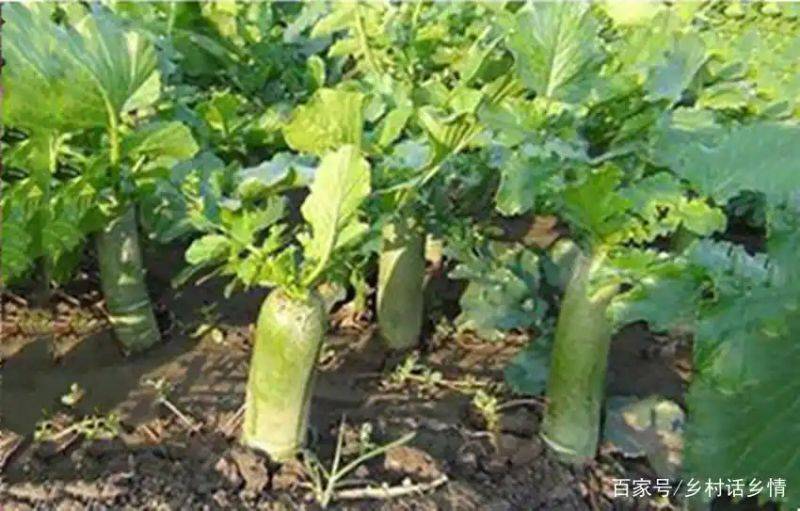
The four points mentioned above are essential elements of the high quality of the production of radish, which can be grown by everyone with high productivity and good quality, provided that they are managed。