


Hello, i'm the bench
Today we're talking about the fact that some people rent tillage to grow grass and watch hundreds of thousands of dollars in annual profits, and suddenly they're on the record。
How can this green oil be a “mined area of destruction of arable land”? Let's see
______
1-back: looks like a pie, actually a trap
Grassland cultivation sounds profitable: ordinary varieties make annual profits of between 100,000 and 300,000 acres, and high-end grass eats better. A lot of farmers think, "it's more than a grain, but they don't realize that there's a legal red line behind this line! The ministry of natural resources reported 80 typical cases last year, 10 of which were directly related to the cultivation of grass, and one place in zizihar, heilong river, was named for inadequate supervision. It's too much money
______
What's wrong

Mistake one: "irregularity isn't illegal"
Some say, "how much can i do?" however, the state has made it clear that the cultivation of grassland is strictly prohibited on a permanent basis and not on a general basis. More importantly, grass-grass harvesting involves the removal of three to five centimetres of thick farming layers, in direct violation of the prohibition of “earthing” on arable land in the land management act. It's not against the law. It's against the law
Mistake two: "just don't grow food, it's not a problem?"
Plantation of grass is not food and is “non-food” in cultivated land, but it is much more harmful. Each harvest is like “skinning” of arable land, where organic matter and microbes are present, and the soil is “disused” when it is removed. Five consecutive years of grass, with 15-20 centimetres lost to the tillage layer, and land sheeting and fertility zero can hardly be repaired. It's like, "you can't make money."
Misdirection iii: “the agricultural sector is the responsibility of the natural resources authority?”
Cultivation is the responsibility of the rural agricultural sector, but the removal of soil is illegal and can be traced to the natural resources sector. In the cases reported last year, both departments are often held accountable together. Quite simply: no harvest of light, no agricultural pipes; the natural resources department must come to the door as soon as the earth moves
Wrong four: "just get caught tilling?"
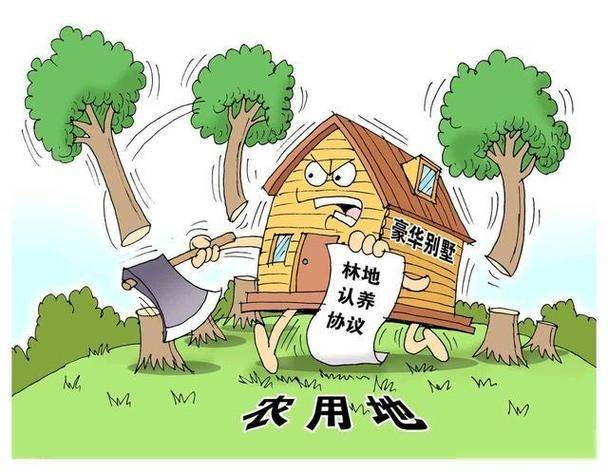
If it's been confiscated, it'll probably pass. Once the soil has been bulldozed, it may be considered “disrupting the conditions under which arable land is cultivated”. The minor is subject to corrective periods, fines (5-10 times the cost of clearing arable land) and criminal liability. People don't look stupid until a case is opened: "i knew it was so serious that i would not plant this grass!"
______
The law is tough: a fine is not a scare. People
______
What's the real story? Cropland is the root of the job
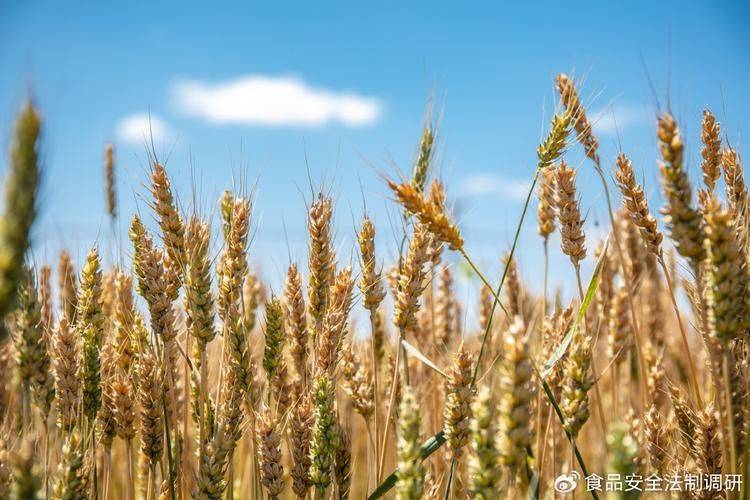
The cropping community understands that “the ground is 1 cm long for 100 years” and that the cropping layer is the living root of the cropland. Scratch and shoveling, which is like selling the future generations' jobs! Not to mention the fact that some of the furs also sow fertilizer pesticides, leading to soil pollution degradation. Why does the state fight for arable land? 1. 8 billion acres of land on the red line is for each of us. The money earned today may not make up 10 times more for the loss of land in the future。
______
Watch the bench: don't let the short-terms eat the long-term meal
Behind this pelvis remediation is the rebalancing of the relationship between “income” and “reserve arable land”. Rural revitalization is not simply about earning money, but about whether the land is passed on. Fortunately, there has been a transformation in some places: for example, following the return of grass from hunan chong county, leading farmers to grow rice sorghum, or shifting to large-scale farmers, so that their incomes will not decline and the land will recover。
“the green mountain is the silver mountain, but the green mountain is premised on fertile land. The grass is greener than the seedlings, and the money is good and the food in the bowls。
Interactive topic: do you have a field of grass around your house? How do you think to balance income with cropland protection? Let's talk in the comment section



