


The old farmers say the same thing: "if you don't have a heart, you have to cry when you harvest!" that sounds crude, but it makes no sense. The radish thing is "puzzling" out, and if you're nice to it, it gives you a bunch of useless leaves; you take care of it with your heart, and it gives you the right to grow up。
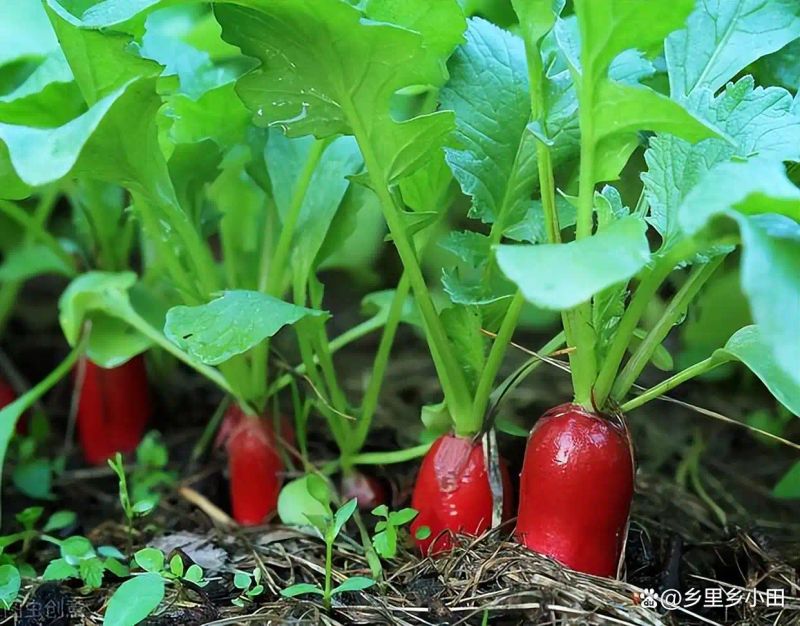
A lot of rookies grow radish, and look at the small, dense saplings and feel that it's always better to keep a few. The water and fertilization are also careful, and the fear is low. And then in the fall, the ground was full of tiny and weak chopsticks, radish, spicy and spicy。
In fact, there are three main points to planting radish: the seedling must be strong, the water must be controlled and the fat must be applied right. Those three things were done, and it was hard to grow carrots。
Let's start with sakami. The radish seed is small, it is difficult to control density when seeding, and the seeding must have been a large fraction of the plume. And if your heart is soft, and you can't take away the seedlings, then wait for regret. Carrots are the ones who fear crowding, they're the ones who die, they're the ones who rob space, and they don't grow well。
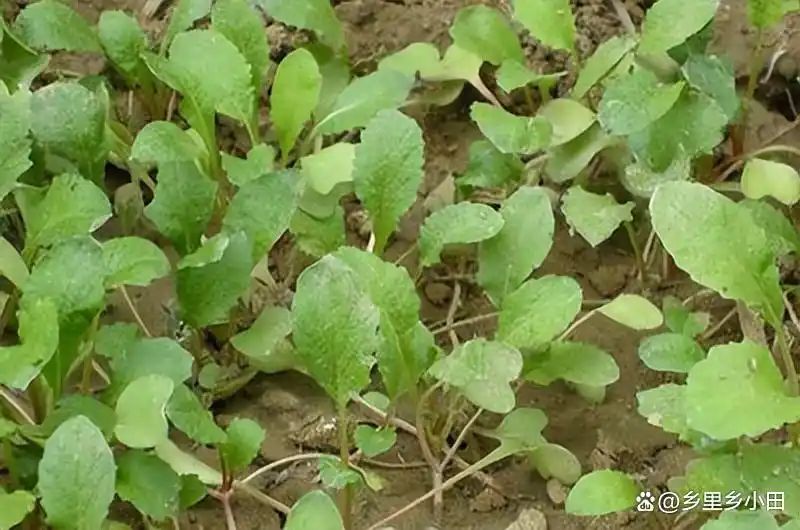
When the radish comes out of the ground and comes out with two real leaves, the first seedling begins. And don't hesitate to pull out all the small saplings that look ill, that look thin and that squeeze together. Don't feel sorry for them. They'll only slow down others. When the sapling grows to four or five leaves, the second sapling is carried out, and this time the sprouts are seen carefully, leaving the leaves with green oil and strong stalks, and the weak must be pulled out。
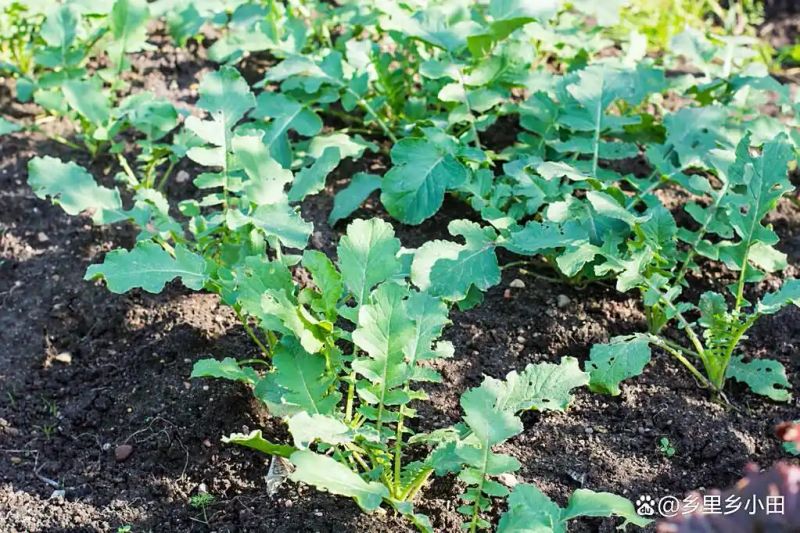
Last-minute seedlings are more heartless, with a distance of 18 to 22 centimetres between radishs and an acre of 14,000 to 17,000. The distance looks wide, but it can't be saved. Ropes need enough space to expand their roots, and the radishs that squeeze together never grow much. Remember, if it's thin enough, it can't be saved。
Water control. Ropes have a high amount of water, but that doesn't mean they're going to water every day. The matter of watering should be addressed in a timely manner, and it would be worse to water the water indiscriminately than not. When the radish is planted, if the soil is dried, it must be watered out and the seeds sprout. The seedlings came out again to stabilize the roots。
The seedling period, if it is hot and dry, must be filled with water in a timely manner, but in no case should it be poured at noon. At noon, when the sun is poisoned and the temperature on the ground is high, the cold water will be given to the radish root and the whole seedling will be burned as soon as it is stimulated. It is either early or late, while the sun is not coming out or it has fallen down. It is warmer, and the radish roots are not sinners。
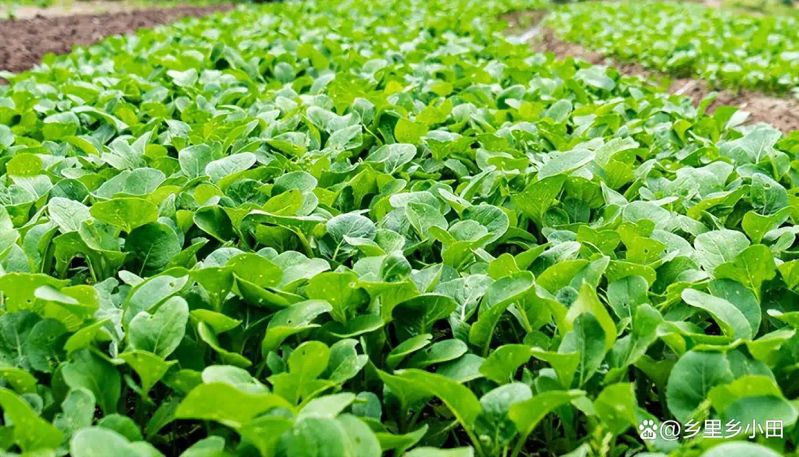
When the radish starts "sitting the radish," that's when the roots start to swell, the water's better controlled. At this point, the soil is moist and 30 centimetres deep, which is the best depth of radish root growth. But the worst fear is that today's dry ground will crack, and tomorrow's water will overflow, so that the dry and wet radish will crack。
It's easy to judge the lack of water for radish. Just look at the leaves and the ground. The leaves began to gush down, the ground was white and even small cracks. The radish was screaming "crazy." it was time to pour water. Conditions are now available for dripping or spraying, and water is not wasted equally. The water is well controlled, the radish is symmetrical, the water is so full, it tastes so sweet。
Finally, fertilizer. Carrots are very picky about fertilizer, and the leaves are expected to flourish in the early stages of photocosm, and the later stages of root expansion and sweetness, with different needs for fertilizer over time. Fertilizers are fertilized in a way that either leaves are small or big and tasteless。
It is impossible to spare the bottom weight, decomposed farm fats, compound fats, and boron fats against radish black hearts. It is particularly important to catch fat during the shrunk season, when the radish grows to two real leaves plus one heart leaf, to catch up with the first fatty and to spread 3 kg of urea in an acre, in order to promote leaf growth. Don't underestimate this fertilisation, the radish leaves don't look good, the light cooperation doesn't work
When five real leaves are long enough to carry a heart leaf, the second fattening is pursued, at which time nitrogen and potassium fat are to be added together, with 5 kg urea plus 5 kg potassium sulphate on an acre. The leaves continue to grow and the roots have begun to swell, and potassium fat is the main force for radish expansion and sweetness。
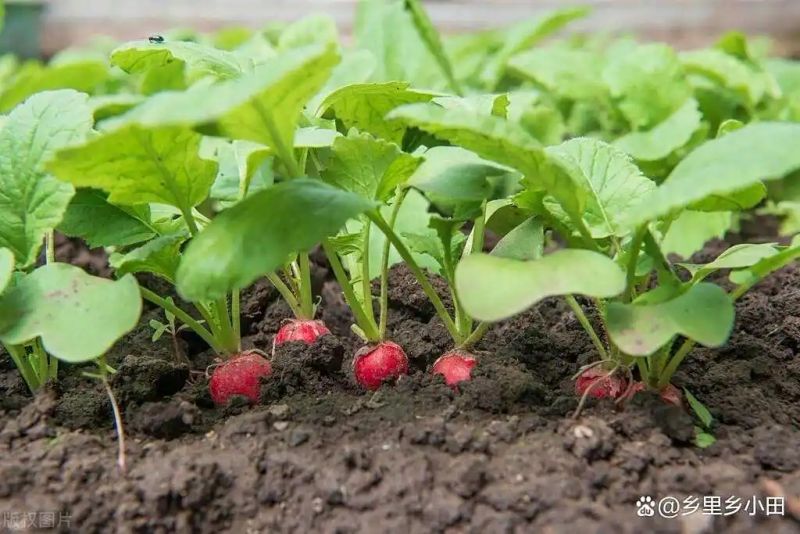
When the radish enters a period of rapid expansion, potassium fat becomes more important, which is the critical time for the radish to grow sweet. High potassium fertilizer is to be replenished in a timely manner according to the strength of the earth and the length of the carrot. If the leaves begin to turn yellow, the aqueous fattening with amino acids and corrosive acids is supplemented by trace elements such as zinc, radish resistant to disease and leather smooth sales。
Remember, it's too early to catch up with the radish when it's gone. Fertilizers are like radish rations, hungry and fed, and the radish is already suffering。
When these three moves are in place, the pests are naturally less. Carrot seedlings are not ventilated, wet and tend to attract aphids and pedicures most easily; poor management of water fertilizers leads to weak strains, maggots and diseases. Only the seedlings are thin enough, the water is steady enough, fertilizer is good enough, radish is strong enough, and the resistance to disease is natural。
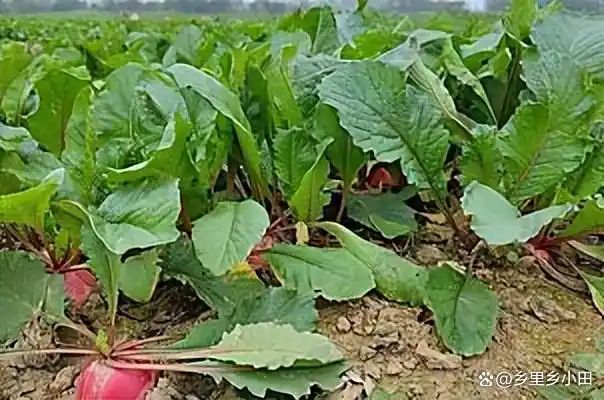
Carrots aren't a delicate thing to do. And when the seedlings do not shake their hands, they pull out what is to be pulled; when the water is controlled, their hearts are soft; when the water is to be poured, the water is to stop; and when the fertilizer is to be used, it is to be used as much as it needs. Use all three of them, radish seedlings, water stable root symmetry, fertilizer full of sweet and thin. I can't believe it



