And as spring comes, the earth recovers and everything grows. For horticulture enthusiasts and landscape designers, spring is an ideal time for sowing and growing grass. Selecting the right lawn is essential for building beautiful, durable lawn. What's the best way to plant grass in the spring? How can you choose the best fur for you? This paper will provide you with in-depth guidance to help you make informed choices。
1. Benefits of planting grass in the spring
There are many advantages to planting grass in the spring. The rising spring temperatures and abundant rainfall provide good natural conditions for seed seeding. The recovery of the soil in the spring and the emergence of microbial activity in the soil have contributed to a better rooting of grass seeds. The planting of grass in the spring ensures that there is sufficient time before the heat of summer to take root in order to withstand the high pressures of summer。
2. Key factors in the selection of fur
The following key factors need to be taken into account before choosing the fur:
2. 1 geographical location and climatic conditions
Climatic conditions vary significantly from region to region, as do the appropriate range of fur. The north should choose cold-resistant grass, while the south is more suited to heat-resistant, wet-resistant species。
2. 2 utility and maintenance requirements
The use of grass is varied and may be for sports grounds, family courtyards, park greens, etc. Different uses have different requirements for the resistance of the fur to pressure, trampling and greening effects. At the same time, maintenance conditions can affect the choice of grass, including watering, fertilization, trim, etc。
2. 3 types and characteristics of fur
An understanding of the different types of fur and their characteristics is essential for making choices. Common grasses, such as high-sheep, long-lived black wheatgrass, mackerel, weeds, etc., have different growth habits and adaptation environments。

3. Types of grass suitable for sowing in the spring
3. 1 seals
High-sheep is a broad-based turf used in sports fields and public places that is drought-resistant and fast growing and is an ideal option for planting in the spring。
3. 2 years of black grass
The years of black wheat grass are also very popular in the spring with its rapid growth and good cold tolerance. It is suitable for quickly covering the naked ground and can withstand moderate steps。
3. 3 the purple fleece
The mackerel is a better anti-negative fur, which applies to areas where light conditions are not sufficient. Spring sowing, it can take root quickly in a warm climate。
3. 4 grass
Thread grass is well adapted to the heat and drought of summer and is the preferred choice for hot grass. Spring seeding will allow it to take root before summer and prepare for the onset of the hot season。

4. How to choose the appropriate fur
4. 1 identify their needs
First, the use of lawns, such as family leisure, pet activities, children's play or sports competitions, should be clearly identified. Different uses need to take into account such factors as pressure resistance, wear and tear tolerance, resilience and so forth。
4. 2 analysis of climate and soil conditions
Knowledge of local climate characteristics and soil types and selection of vegetation types that can adapt to the local environment. For example, cold areas should avoid the cultivation of intolerant grass, while arid areas should choose drought-resistant grass。
4. 3 consideration of future maintenance
The maintenance workload for different types of grass is different. If you wish to reduce the number of trims, you should choose slow-growing grass; if you wish to have a greener colour, you may need to be fertilized periodically。
4. 4 observation of fur mass
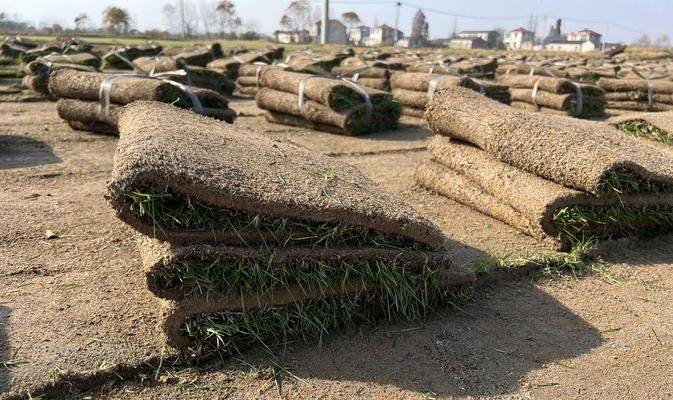
When buying the grass, the whole mass of the grass is examined, including its density, colour, type and quantity. High-quality grass should be free of weeds, with developed roots and even colours。
5. Steps for seeding and maintenance
5. 1. Preparation of soil
Pre-treatment of soil by deep pine soil, fertilization, regulation ph etc. Is required before seeding. Ensuring soil fertility and good drainage provides a good growth environment for seed seed germinate and growth。
5. 2 seeding
Spread the seeds evenly according to the recommended sowing to avoid gaps or over-intensity. After seeding, an appropriate layer of soil is covered to protect grass seeds。
5. 3 water irrigation and coverage
Upon sowing, water is poured to keep the soil wet but not too wet. At an early stage, cover such as straw can be used to protect grass seeds and to promote seed growth。
5. 4 maintenance and management
Regular irrigation, fertilization and trim are carried out to ensure healthy growth of the fur. At the same time, weeds and pests are being dealt with in a timely manner。
6. Common question answers
6. 1 what should be taken into account in planting grass in the spring
When planting grass in the spring, care should be taken to select suitable grass, to avoid damage from nightfall frost, and to keep wet and prevent weeds. At the same time, the planting time and methods have been rationalized to ensure the survival of the grass。
6. 2 how to judge the quality of the fur
High-quality turf should have a good colour, with no visible signs of weed and disease, and the roots should be full and developed. Prior to purchase, it is advisable to communicate with suppliers about the specific types and characteristics of the fur。
What is the frequency and amount of water being poured after the sowing of the grass
In the early stages of seeding, the soil should be kept humid and normally watered one or two times a day until seed seed sprouts. The frequency of water recharge is adjusted to weather conditions and soil moisture。
Through the above, you should have a comprehensive understanding of how to sow the grass in the spring and know how to choose the right one according to your needs. Selecting the right kind of fur and the right way to maintain it not only saves you time and energy, but also ensures you get a beautiful, healthy, sustainable green lawn. It is hoped that this paper will provide useful guidance and assistance for your spring gardening activities。