How do you manage all the stages
Guide to the full-cycle management of monkeys: step-by-step refinement of operational resolution
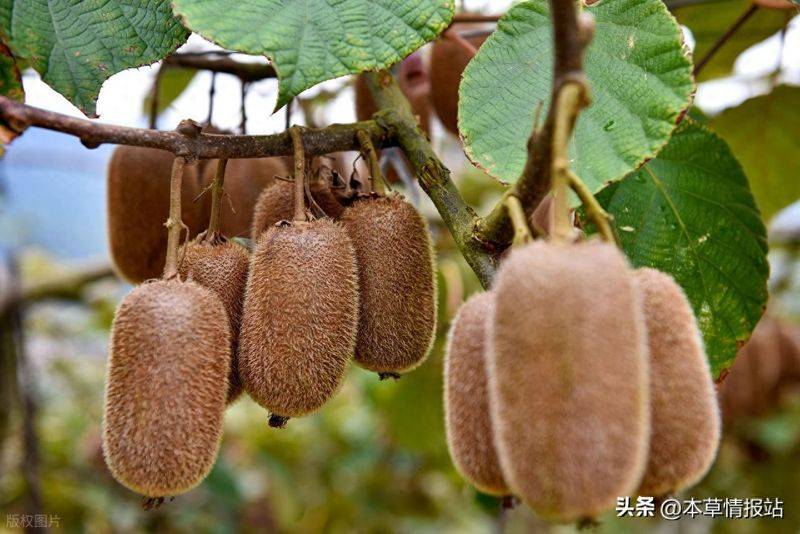
As a high-economic value fruit tree, monkeys are managed throughout the annual growth cycle. The following is a phased adaptation of key technologies from embryonic to old age to provide land-defeating solutions that combine climate differences and geographical characteristics。
Childhood (1 - 3 years): bone construction and nutritional accumulation
Objective: to develop single-armed tree shapes, expand tree canopy and increase leaf volume。
Management highlights:
Cutting and racking, using the "single arms" shape, keeping two main chickens, taking care of new branches in the summer, with the main chickens directly bearing the fruit-producing branches. During the winter trimmed, the main chicken is selected with a growth branch at intervals of 20 to 30 centimetres, short enough to be full. Fertilizer strategy is based on nitrogen fertilizer, combined with organic fertilizer. (c) 0. 2-0. 3 kg of composite fertilizer per dose of high nitrogen, reducing the load during the larvae and avoiding the weakening of the tree due to premature adhesive fruit. The north needs to bury the ground to protect itself from the cold or build a wind forest during the winter, and the south needs to grow high during the rainy season to prevent the root causes of the disease. Ii. The beginnings (4-6 years): the production transition and tree maintenance
Objective: to balance growth with results, from a small number of outcomes to a stable high yield。
Management highlights:
The ratio of female to male is 5:1 and the ratio of male to female is increased by artificial pollination or bee-laying. Three to five results per piece to avoid age. Disparation of deformity, pests, long fruit branches with 4-5 fruit, mediocre branches with 3-4 fruit and short fruit branches with 1-2 fruit. Prevention of diseases focus on ulcers, sulfuric alluvial gardens before spring sprouts, copper spray in the early stages of the disease. In the summer, phenyl ether acetate is used to combat brown spots during high temperature and humidity. Cutting and nutrition the summer wiping out the long branches of the protrusion, the result of which leaves five to eight leaves above the end. Autumn fertilizer with an acre application of 3000-500 kg organic fertiliser and 80-100 kg special for fruit trees. Iii. Breathing period (over 7 years): high productivity and quality improvement
Objective: to achieve high-quality production by increasing the number of productive years。
Management highlights:
Phased application of fertilizers pre-breeding: pursuit of velocity nitrogen fertilizer, 0. 5 kg per plant and 1 kg of oil sludge. Inflatation period: 50 kg of low nitrogen, medium phosphorous, high potassium compound fertilizer and 50 kg of encreas fermentation with bioorganic fertilizer. After the fruit is harvested: fertilizer, 3000 - 5,000 kg organic fertilizer and 150 kg compound fat. Summer management defusing long branches and insect branches, keeping the surface ventilated, under trees where even light is visible. Calcium fertilizer is sprayed in front of the fruit pack to increase hardness and reduce mechanical damage. Winter trunks are painted white (10 water + 2 raw lime + 0. 5 salt + 1 thiomer) and larvae are packaged in temperate zones. The main branch is retrenched, new branches are issued, increased phosphorous potassium fertilizer is reduced by nitrogen fertilizer and is protected against longing. Iv. Ageing period (over 15 years): recovery and production maintenance
Objective: to slow ageing and maintain economic output。
Management highlights:
The main branch is being retrenched to stimulate the emergence of new branches and gradually replace them. Nutrition regulation increases the application of organic and phosphate potassium fertilizer, reduces the rate of nitrogen fertilizer and prevents the consumption of nutrients by newcomers. Disease management focuses on the prevention of decomposition, rooting with a virulent spirit, and increasing organic fertilizers with deep-throwing soil. The northern region (shuxi, henan) is a strategy for managing geographical disparities. Irrigation: the use of drip irrigation or small pipes to avoid the root causes of corruption caused by flooding. Varieties are selected: cold-resistant varieties such as seo-heung and qin mi. Drainage in the south (sichuan, guizhou): high-level planting, timely drainage during the rainy season to prevent flooding. Shading: summer covers sunscreen nets and reduces the risk of sunburning. Varieties selection: wet-resistant varieties such as red sun and gold. North-west (xinjiang, gansu) increased potassium fertilisation: high temperature, day and night, increased potassium fertilisation and increased accumulation of fruit and sugar. Windproof: wind-proof forests are planted around orchards to reduce wind and sand hazards. Key technical detail pollination techniques collect pollen before the male pollen, artificially or mechanically pollinating the female during the second day of the flowering season, which can be pollinated three times. The soluble solids of the pre-literate range are collected at 7 per cent and 6. 5 per cent of the medium-literate species, with no wind and no weather until 10 a. M. After collection, graded in the bank, kwyn 0-2°c, regularly spot-checked to clear the bad fruit. Vii. Common problem resolution deficiency iron deficiency: foliage of sulphate; magnesium deficiency: foliage of magnesium sulphate. Pests and pests cycling worms: pyro-sulphides are used in winter to clear the fields and to spray the aqualone. Gold turtles: efficacious insecticidal chlorocyanethrin, larvae phosphorus. Fertilisation avoids direct contact with the root system, water is immediately watered after application, and “after application” or “after application” is used during high temperatures。
Conclusion: monkey management needs to combine growth cycles with geographical characteristics and achieve high-yield quality through phased precision operations. Scientific decision-making is required at every step from the larvae's bone structure to the nutrient regulation of the ferocious period, to the renewal of the ageing period. At the same time, geographical strategies such as cold protection in the north, drainage in the south and potassium enrichment in the north-west can effectively increase resilience. The availability of these technical elements can significantly improve the efficiency of the monkey cultivation。